





------------Mr.Hyatt's comment------------
Kagoshima
Kagoshima's mountainous landscape and rich volcanic soil, unsuitable for significant
rice production, is famed for a variety of other commodities. The best known
include: giant white radishes, baby oranges, black pork, and most of all sweet
potatoes.
Sweet Potatoes

Sweet potatoes were originally brought to Japan by Englishman William Adams,
returning from a trade mission in China, in the early 17th century. Its proliferation
has lead to a great variety of colors, flavors, and textures of which the light-orange
and purple varieties appear to be the most popular.
Traditionally eaten roasted (Yaki-Imo) they are consumed in a staggering number
of other ways from cakes, ice creams, and dozens of snacks to the nationally
popular sweet potato liquor (Imo-Jochu).
Currently, Japan is experiencing a boom in the number of people drinking Imo-Jochu.
Displacing the internationally famous rice wine (Nihon-shu), as the “IT” drink
domestically, most foreigners have yet to enjoy this equally subtle liquor. Imo-Jochu
is usually drank mixed with hot water to enhance the soothing warmth and soft
aroma, but many people also enjoy it on-the-rocks or mixed with soda or juice.
Sweet potatoes have become so synonymous with Kagoshima that the standard Japanese
word for sweet potato is “Satsuma potato”
(Satsuma-imo); Satsuma being the old provincial name of Kagoshima prefecture.
In Kagoshima however, it is often called “Chinese potato”
(Kara-imo) referring to its being brought in through trade with Chinese port
cities.
Giant Radishes and Baby Oranges

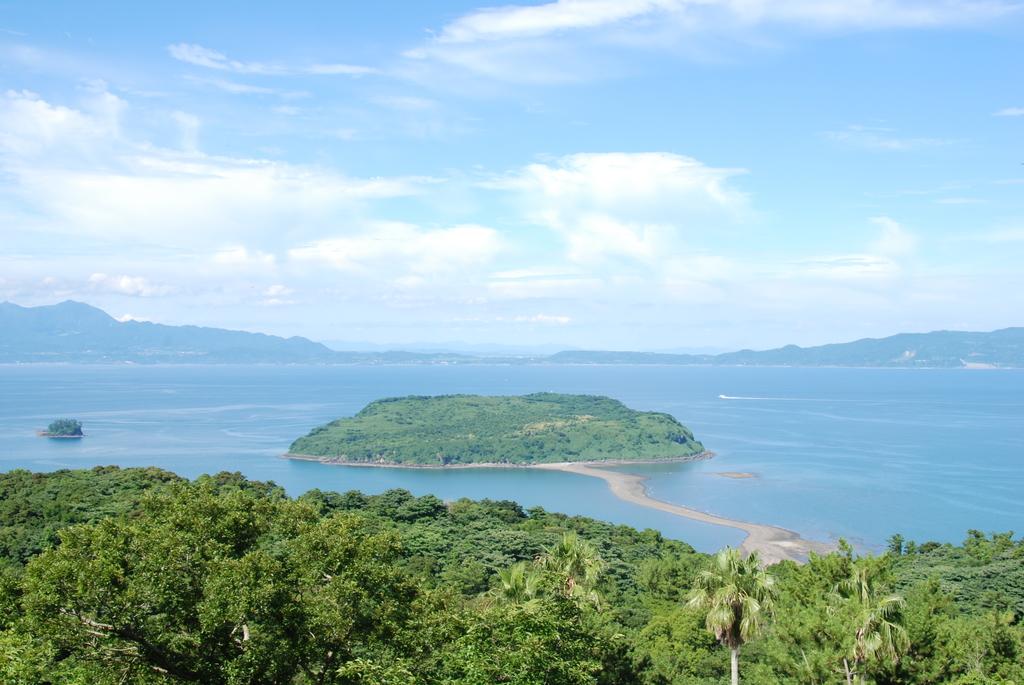
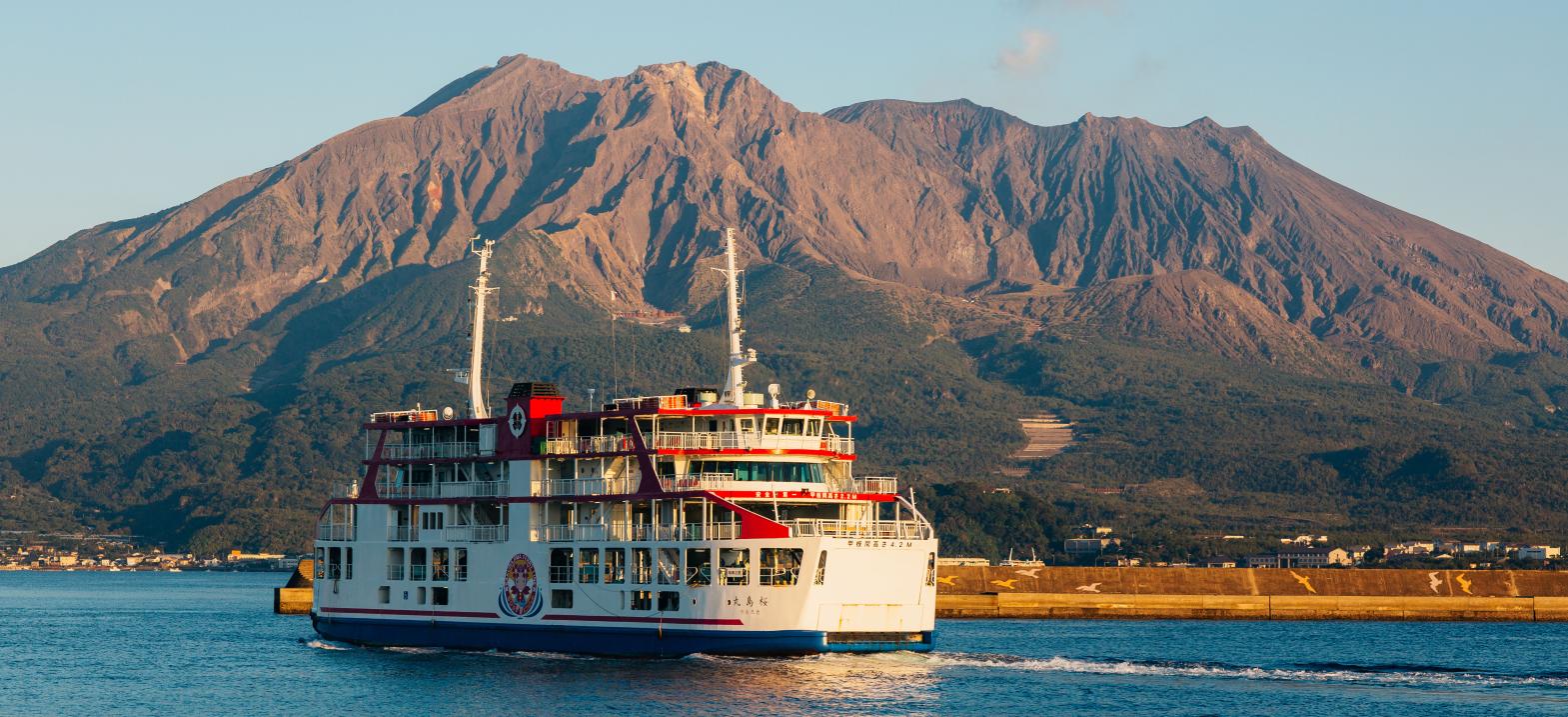
In the middle of Kinko Bay (Kinko-wan) sits the relatively quiet volcano named
Cherry Blossom Island (Sakura-jima). Thanks to its peaceful nature, a thriving
community of fisherman and farmers have called Sakura-jima home for many generations.
Everyday, Sakura-jima benevolently distributes its mineral rich ash onto the
farms. This fertile soil produces two of Kagoshima's most unique commodities,
giant white radishes (Sakura-jima daikon) and baby oranges
(Sakura-jima ko-mikan).
The giant white radish is truly something to behold. Shaped like a turnip but
many times larger, these monster radishes eclipse their cousins the common white
radish (daikon) which is itself quite large by western standards. The largest
of these giants weighed over 40kg and measured over 50cm in diameter. However,
the average weight is between 6-10kg with a diameter roughly that of a basketball.
As with all white radishes, the Sakura-jima daikon is eaten in innumerable ways
but they are most often sliced, pickled and eaten with rice.
At the opposite end of the size spectrum is the baby orange. These mini-citruses
should not be confused with the well known Satsuma orange; though anyone who
has seen a ko-mikan could never make this mistake. Through careful cultivation
these minis have become the world's smallest oranges at full growth. The average
size is roughly that of a golf ball (5cm), weighing between 40-50 grams. Despite
their size they pack more of a juicy and sweet flavor than most other oranges.
They are so favored that for centuries a special annual gift of oranges was sent
to the ruling houses as far away as Kyoto and Edo (Tokyo).
Black Pork

Almost every prefecture in Japan can claim an especially great meat product.
Probably the best one known outside Japan is Kobe beef, which interestingly doesn't
seem to have the same fan base domestically.
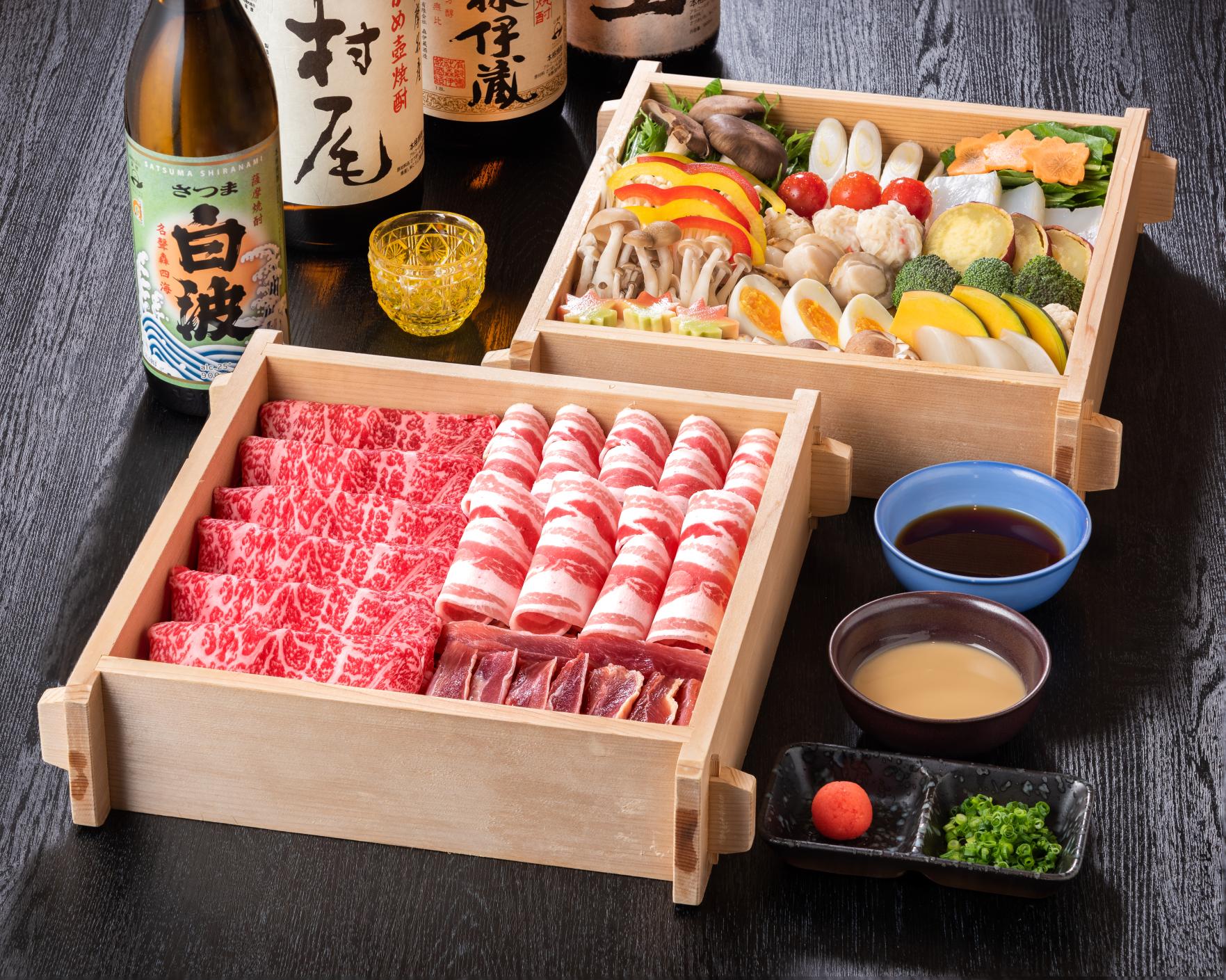
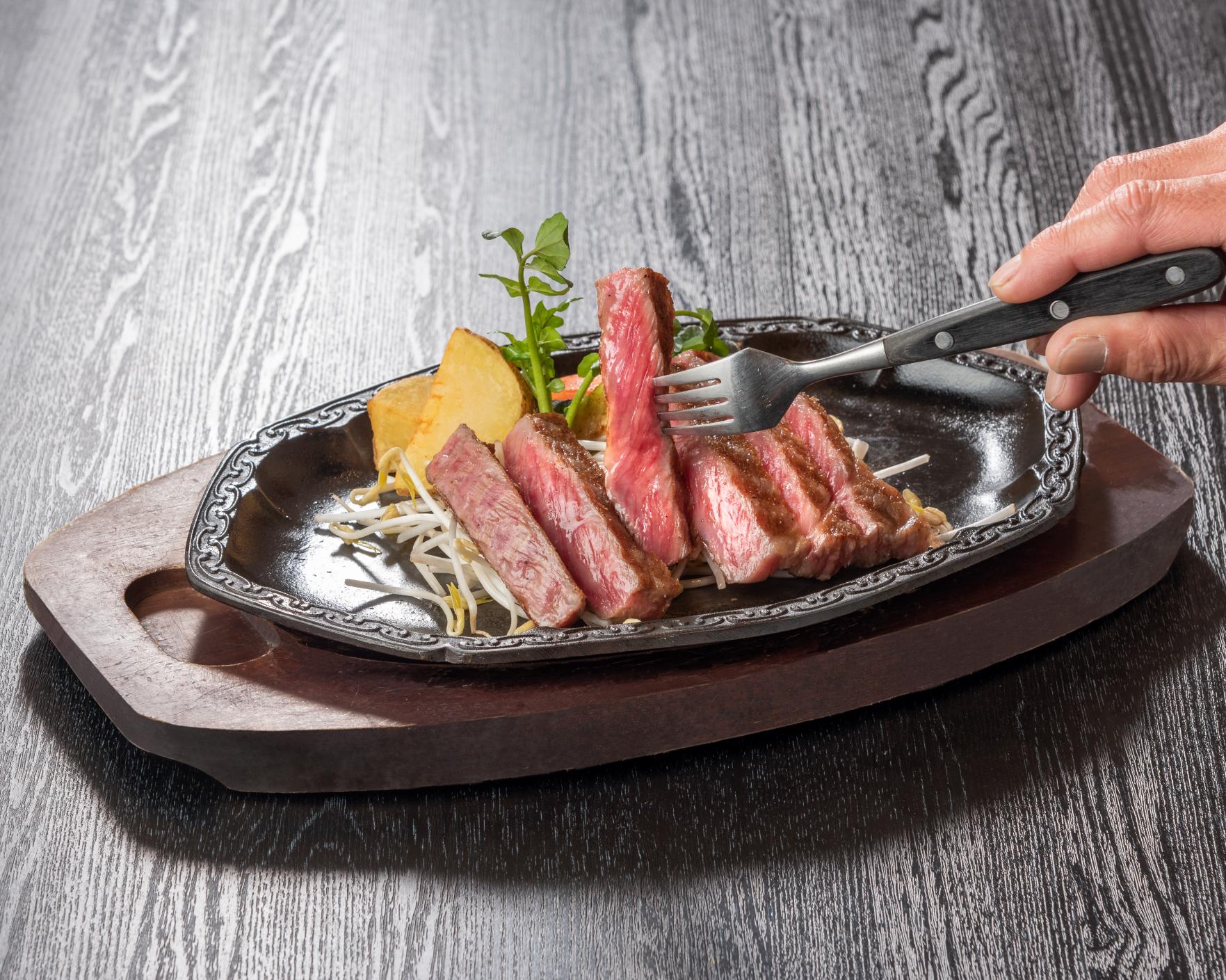
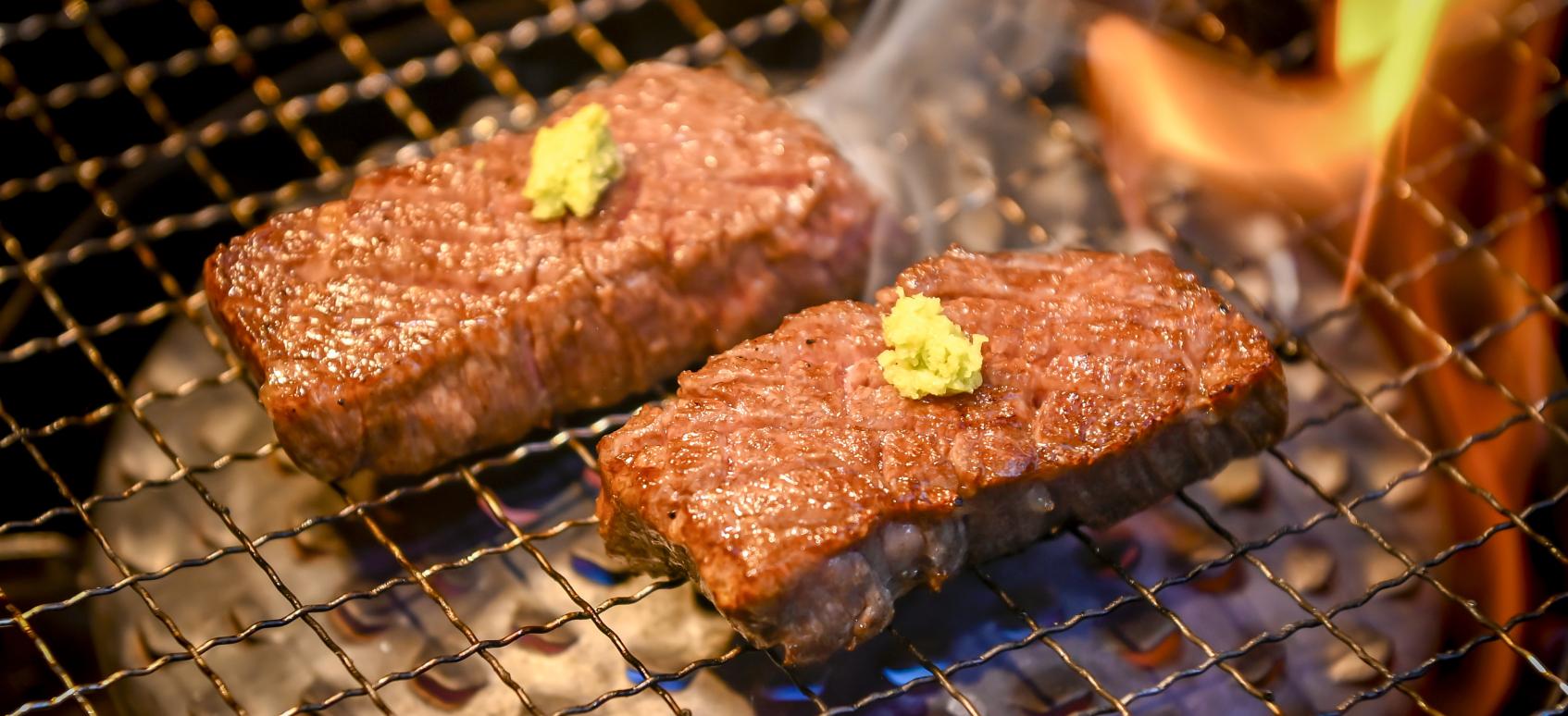
However, the undisputed king of pork is Kagoshima's highly prized black pork.
Originating from an Asian breed of the Black Berkshire pig, bred from a group
gifted to Japan by the English monarch Charles
II, Kuro-buta has become renowned as “the world's finest pork”. This tender,
juicy, flavorful pork gets its name from the color of the pigs which are black
with some white. The most desired pigs are the six-spotted black pigs (Roppaku
kuro-buta). These kings of kings have white patches only on their noses, tails,
and feet. They are said to have the finest meat of all the varieties. In international
wholesale markets, servings of black pork can reach the unbelievable $10 (U.S.A.
dollars) per chop or more. Yet in Kagoshima prefecture one can enjoy this precious
pork for approximately 80% less per serving. The most popular way of eating black
pork is in the form of breaded, deep-fried pork cutlets (Tonkatsu). It is also
often substituted for beef in many recipes or finds its way into the best meat
curry breads in Japan.