


 Global



Discover Kagoshima with the CUTE Pass
Kagoshima is where dramatic landscapes, warm local hospitality and a deep sense of history come together. Visitors can enjoy a vibrant blend of historic sites, rich cultural heritage, plentiful hot springs and unique local cuisine. With the active volcano Sakurajima as its natural symbol, the city also offers a rare opportunity to experience life next to one of Japan’s most iconic landmarks.
The city’s efficient public transport system provides an easy, convenient and eco-friendly way to access attractions and enjoy the best of what’s on offer. For travelers who want to see as much as possible in a short period, the CUTE Pass is one of the smartest ways to move around. The inexpensive, flexible ticket gives unlimited rides on city trams, most buses and the Sakurajima Ferry, meaning visitors can spend less time navigating and more time experiencing what makes Kagoshima a remarkable destination.
Introducing the CUTE Pass
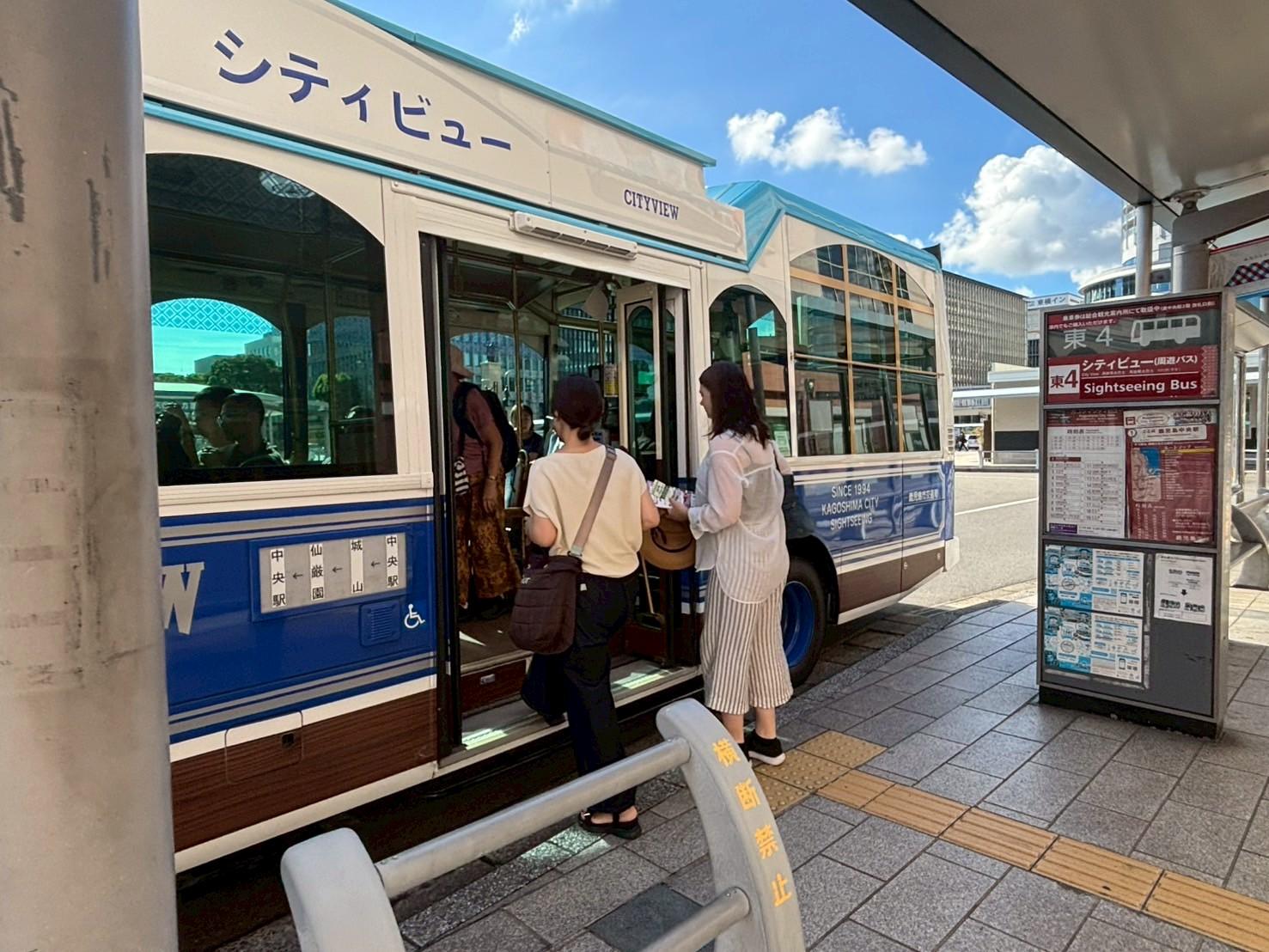
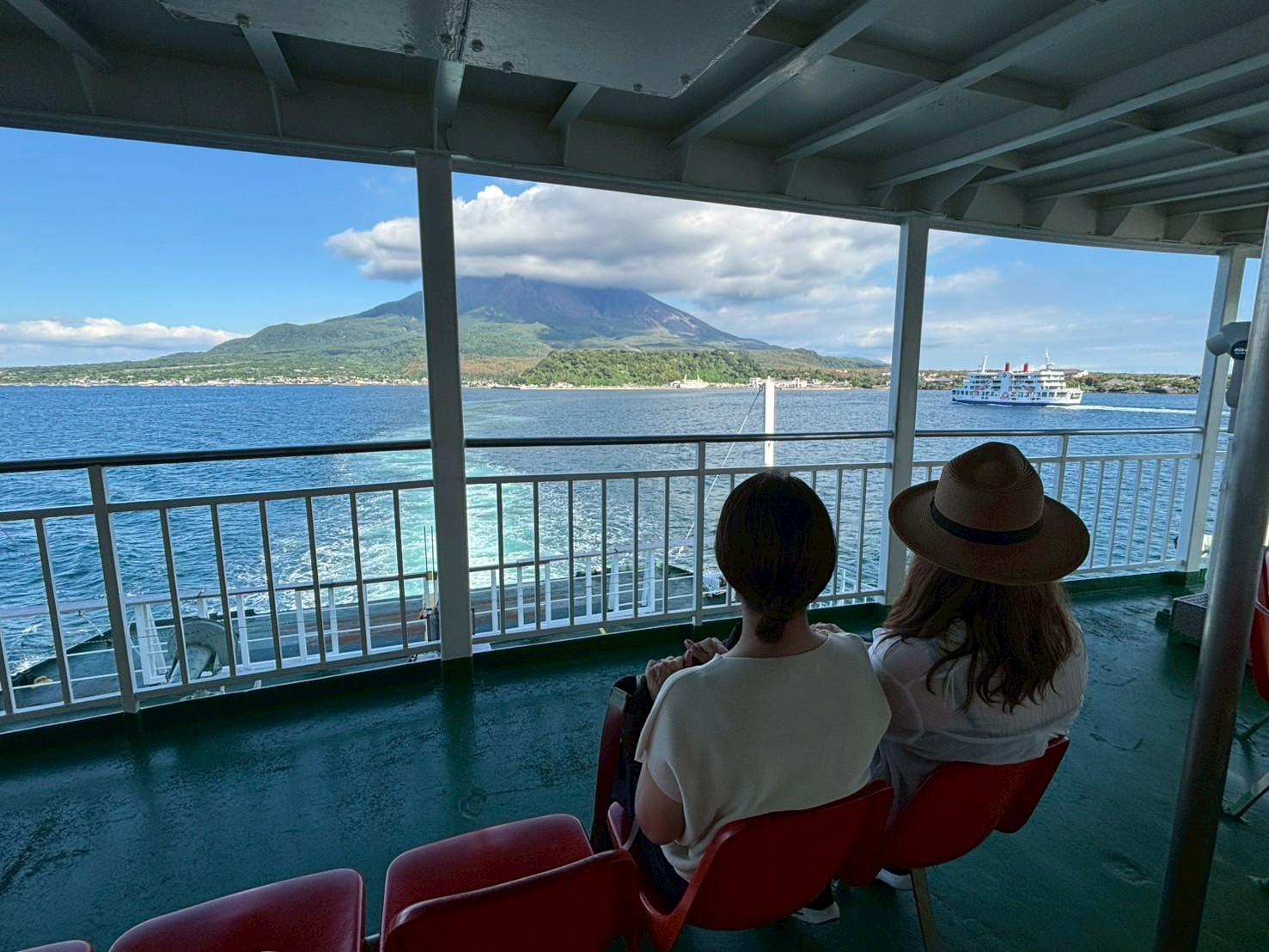
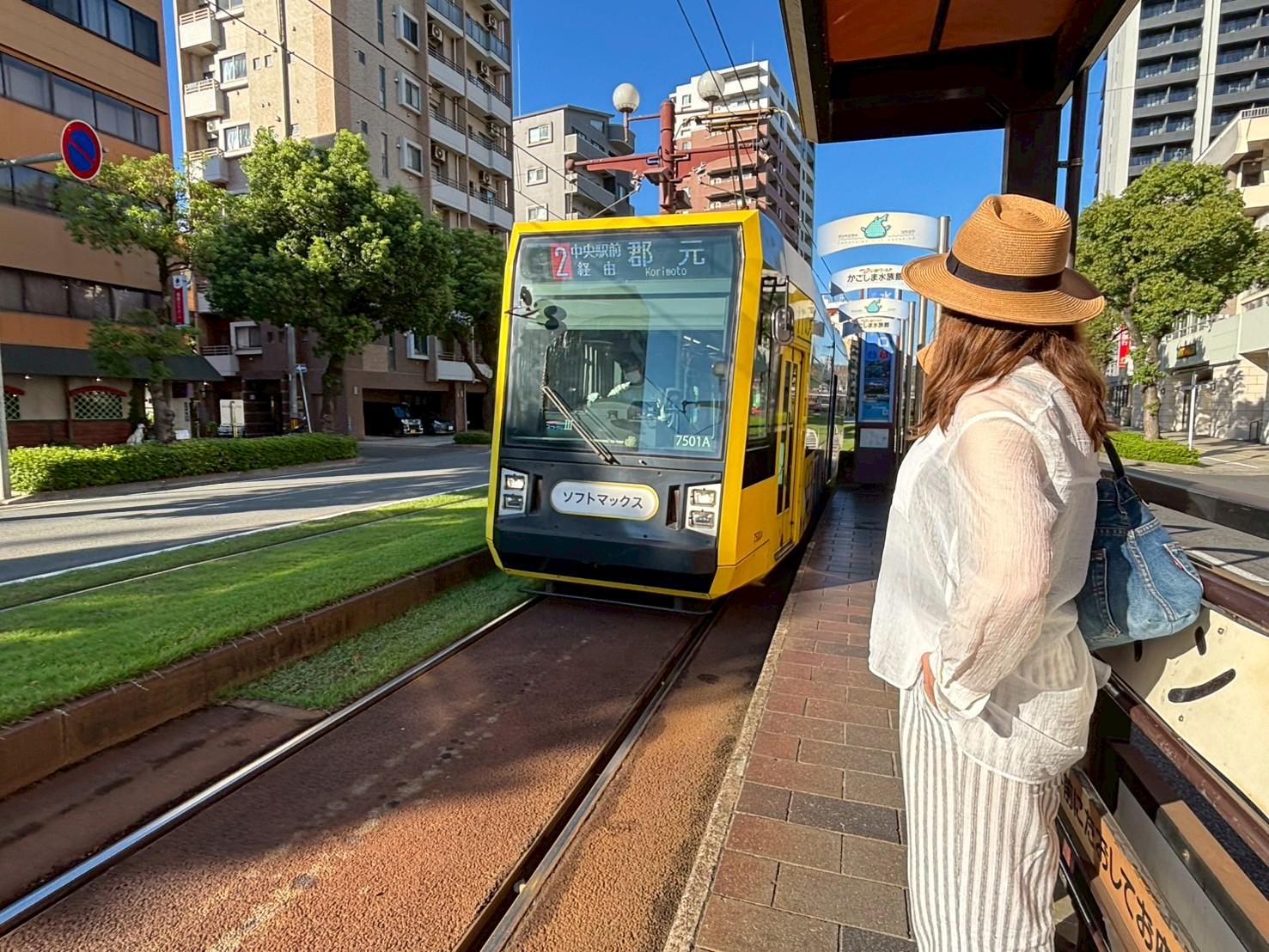
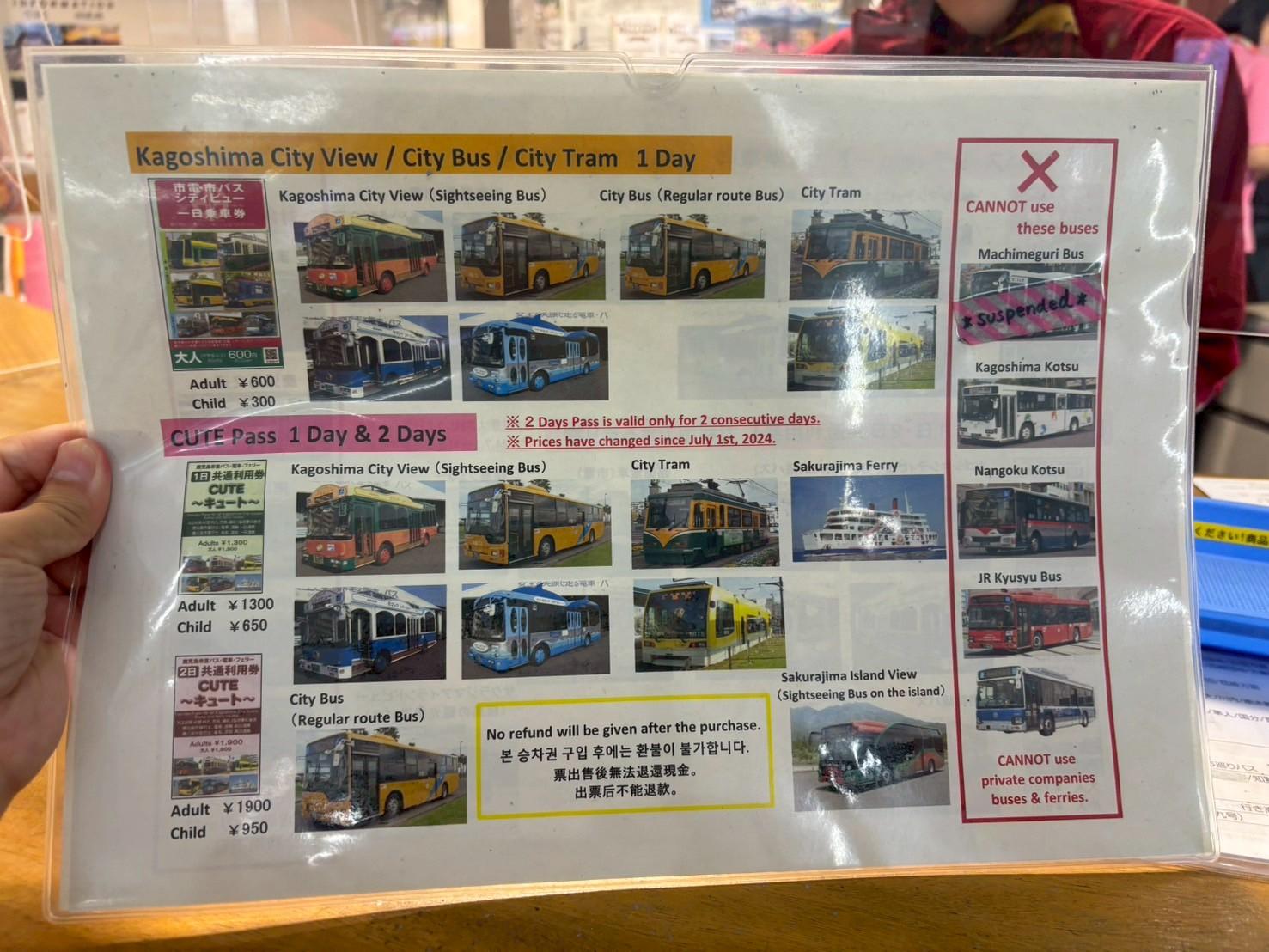
For travelers who plan to see a wide variety of attractions in Kagoshima City, few tools are as useful as the CUTE Pass. This ticket allows unlimited rides on Kagoshima’s city trams, city buses, the Kagoshima City View bus, the Sakurajima Island View bus and the Sakurajima Ferry, which crosses Kinko Bay around the clock. It’s available for one day (adults: 1,400 yen; children: 700yen) or for two consecutive days (adults: 2,100 yen; children 1,050 yen).
With the CUTE Pass, visitors can also enjoy reduced fees to enter a range of sightseeing spots across the city, including the Musuem of the Meiji Restoration, Kagoshima City Museum of Art, Io World Kagoshima Aquarium and Sakurajima Magma Onsen.
The most compelling reason to choose the CUTE Pass is the freedom it provides. Kagoshima’s trams, which are frequent and easy to use, allow visitors to travel smoothly across the city center. The buses, including the City View sightseeing loop, extend access to major attractions such as the Shiroyama Observatory and Sengan-en Garden, and the pass includes use of the Sakurajima Ferry, one of the city’s most beloved symbols and a cultural experience in its own right.
This broad coverage lets visitors design or adjust their itinerary on the fly. There is no need to worry about exact change, individual fares or finding ticket machines. As travel is unlimited, the pass’ cost savings are significant, especially if visitors plan to visit Sakurajima or take several buses or trams, and the convenience is even more valuable.
Environmentally minded travelers will also appreciate that using the CUTE Pass promotes sustainable tourism. Instead of relying on taxis or rental cars, it’s possible to navigate Kagoshima using energy-efficient public transportation, helping reduce traffic and the city’s environmental footprint. Beyond practicality, exploring by tram, bus and ferry connects visitors more closely with the rhythm of local daily life.
Buying the CUTE Pass
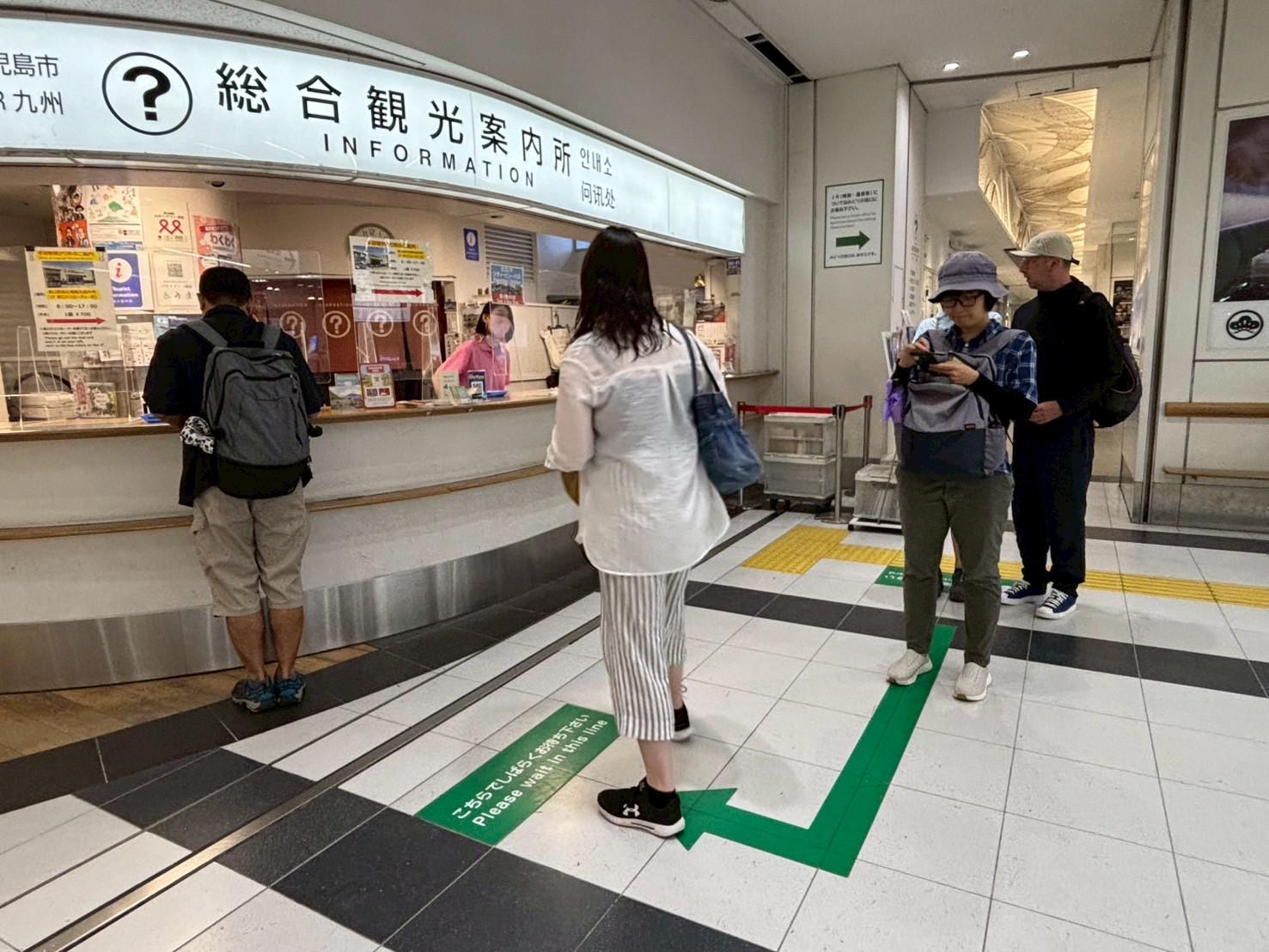
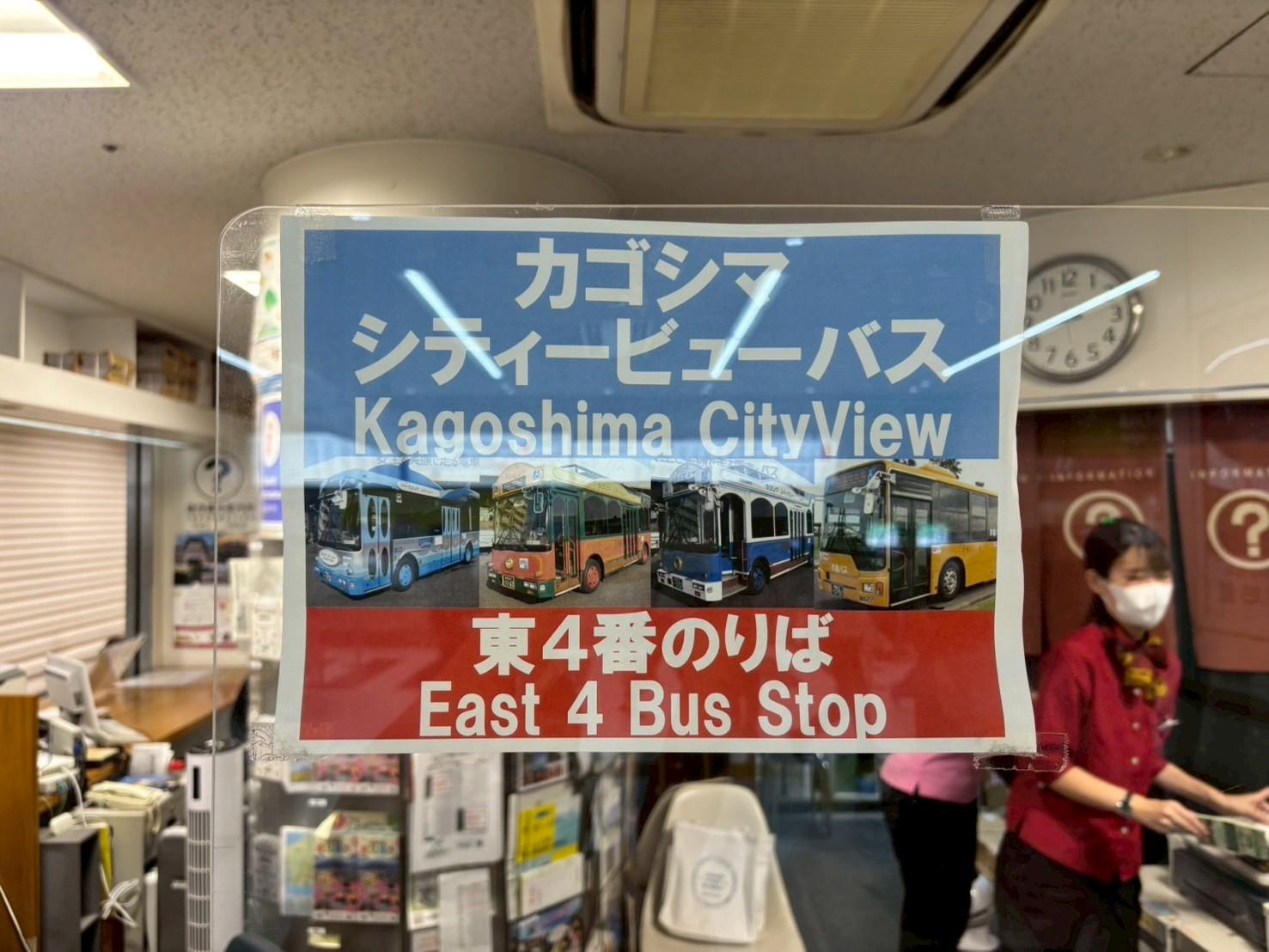
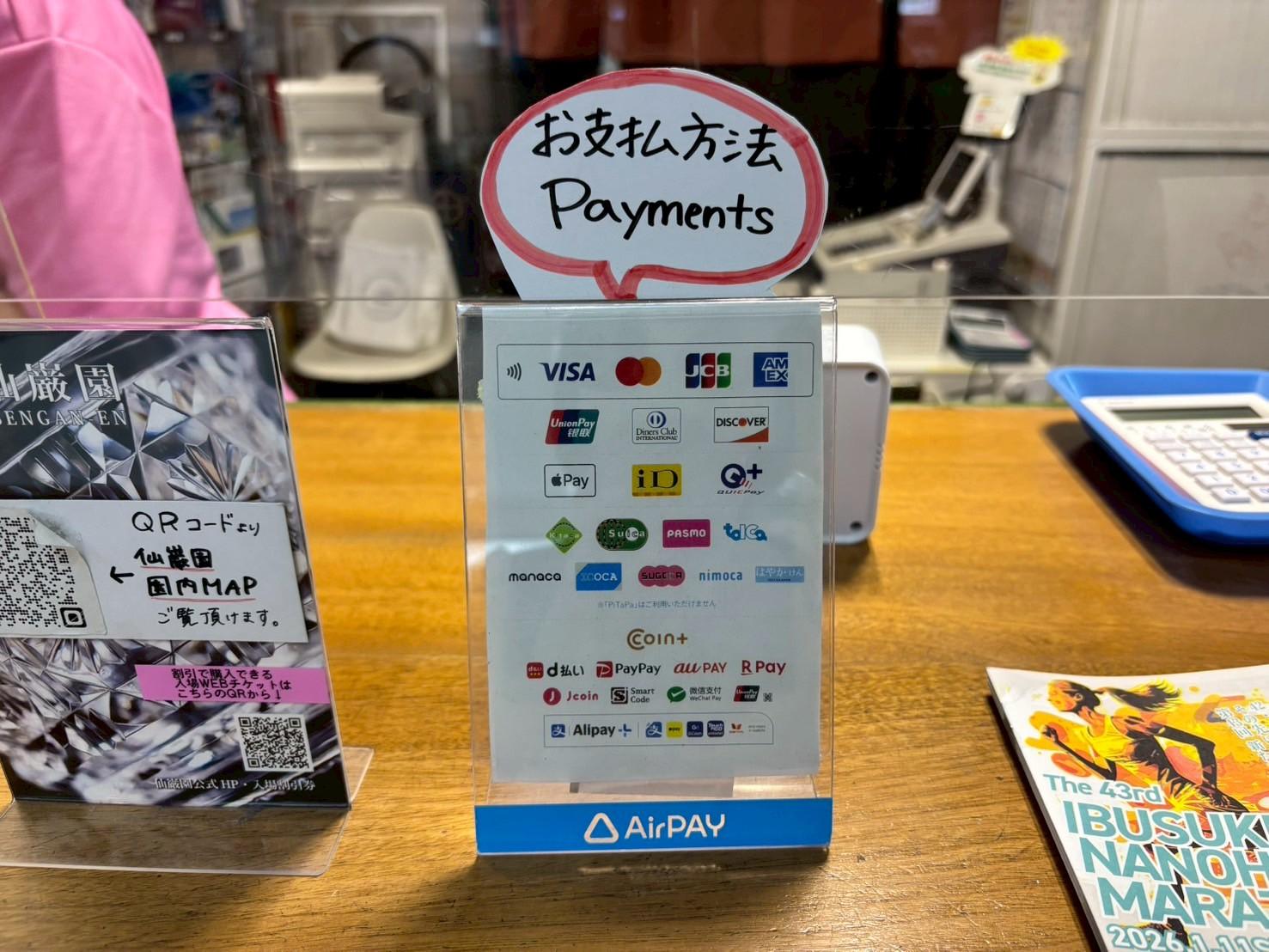
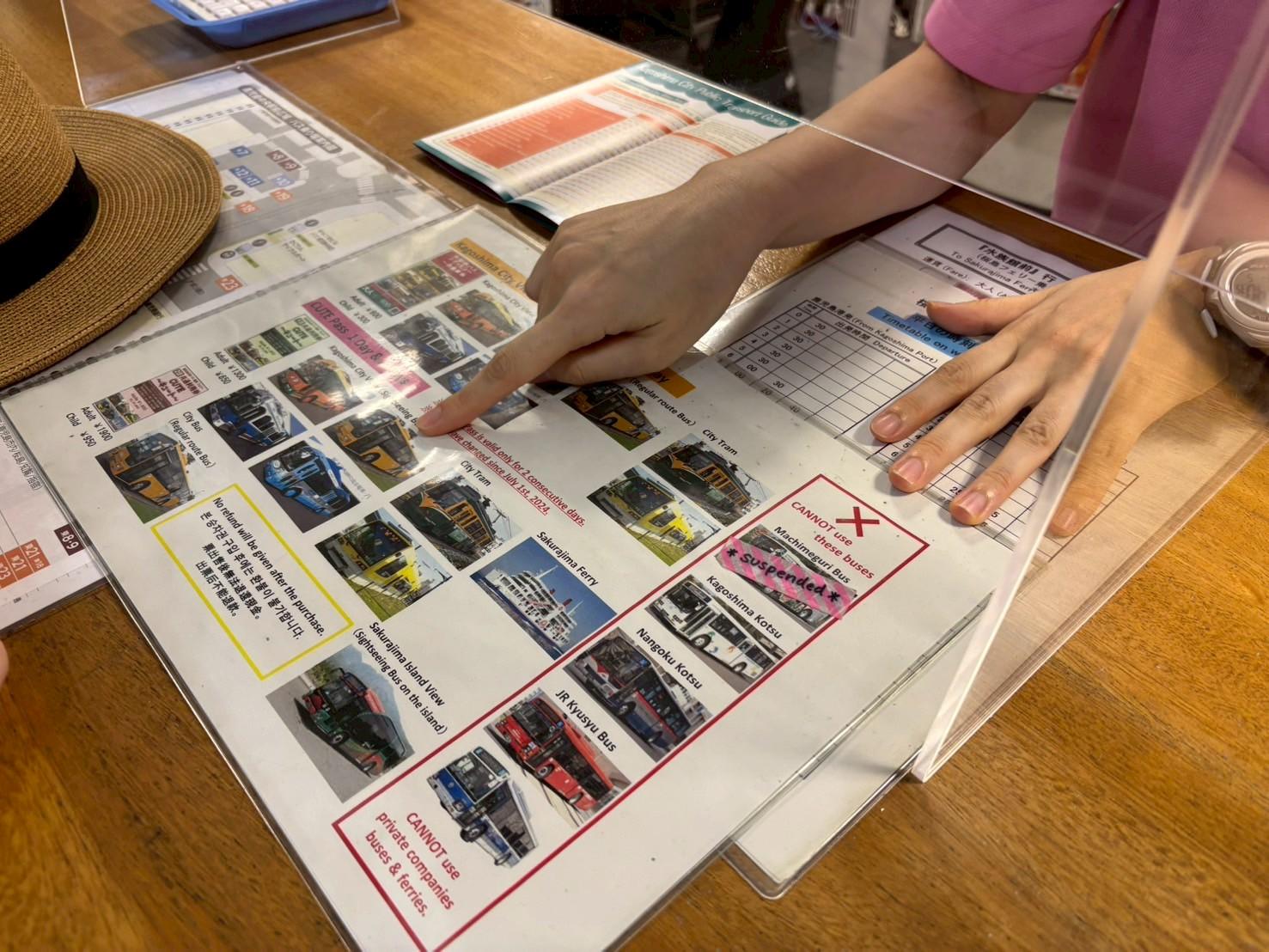
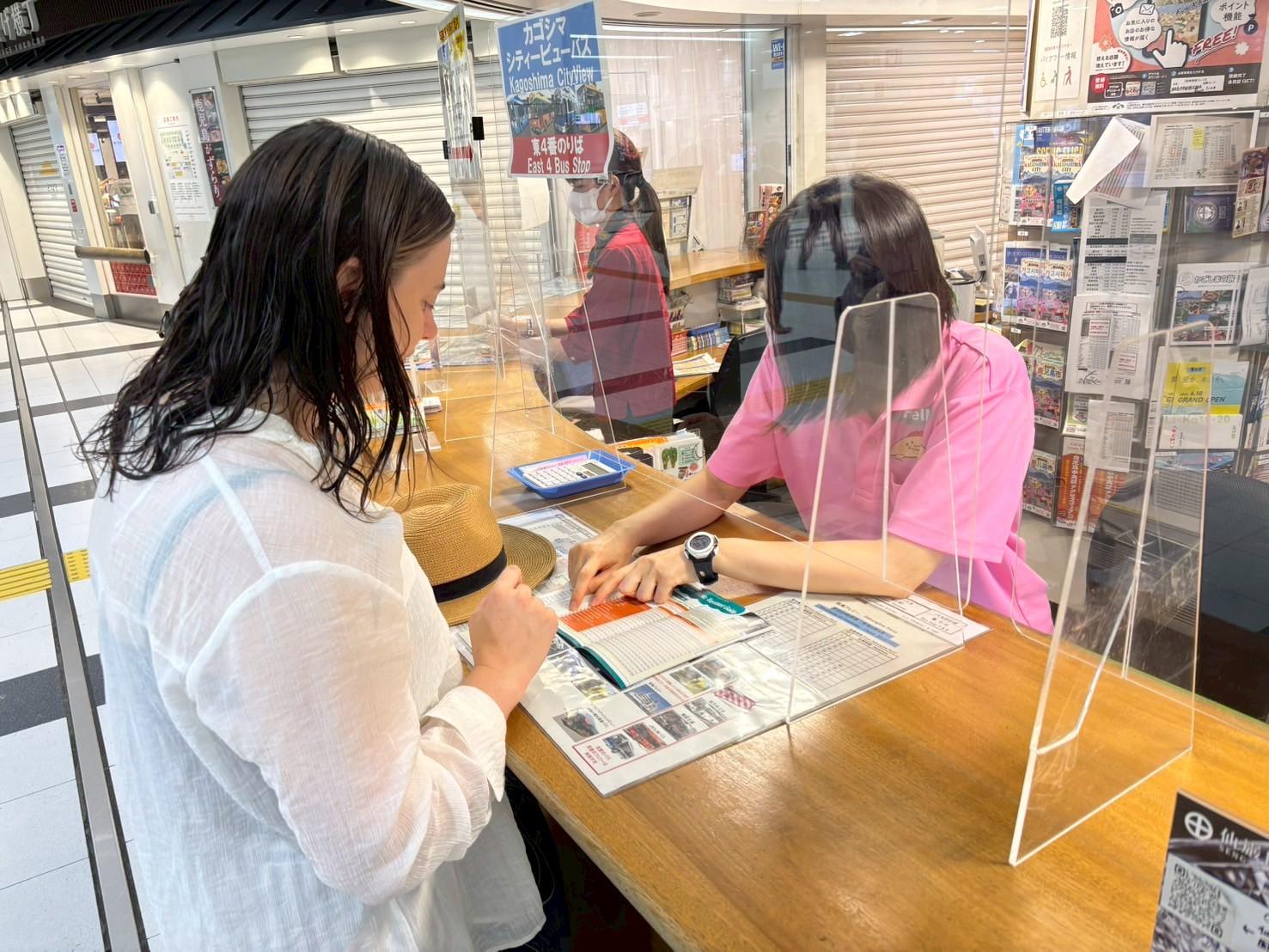
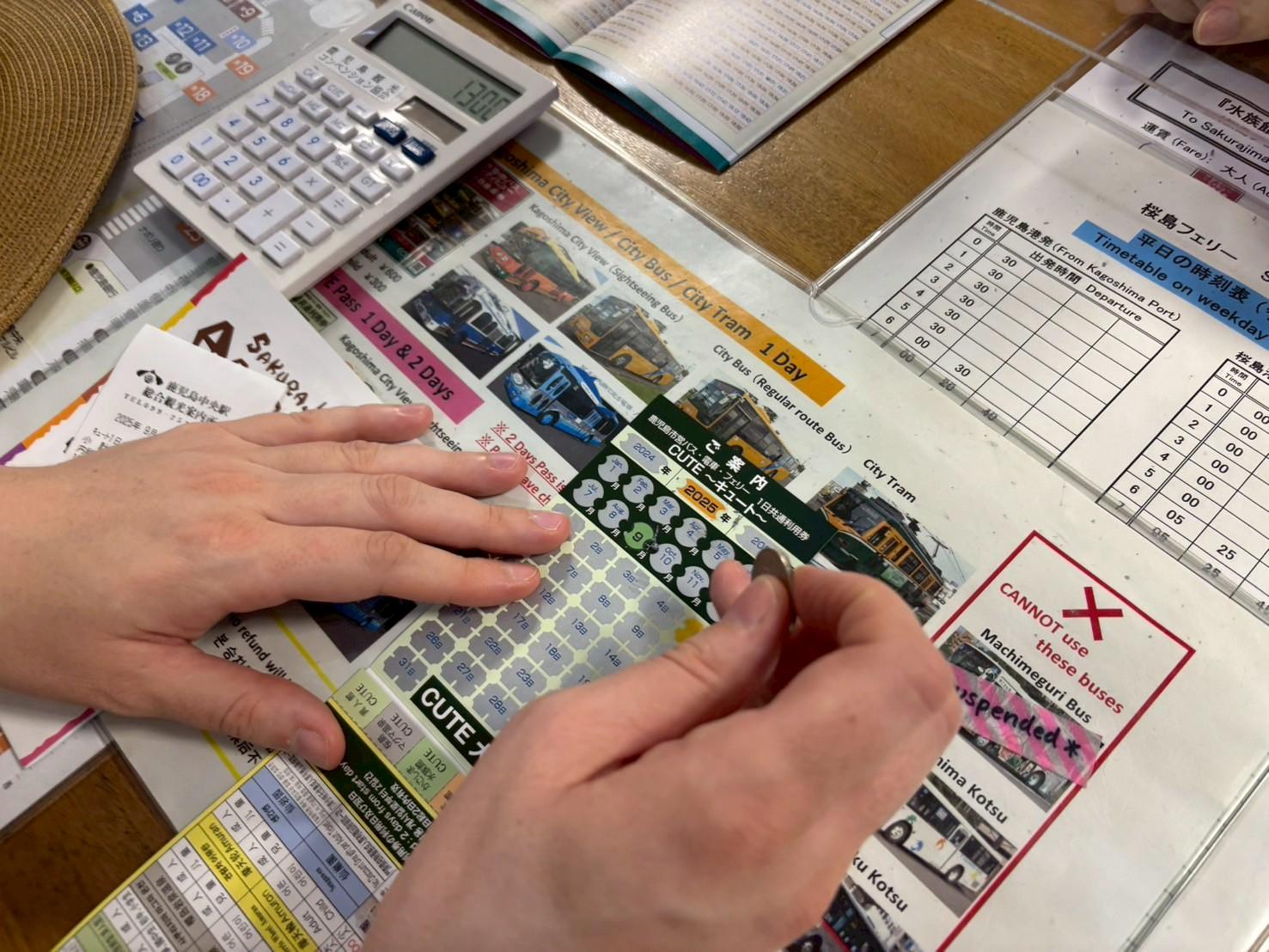
The CUTE Pass can be purchased at some hotels and the following facilities:
• Tourist Information Center, Kagoshima Chuo Station
• Tourist Information Center, Kagoshima Chuo Station East Exit Station Square
• Tourism Exchange Center
• Kagoshima City Tourist Information Center, Tenmonkan
• Sakurajima Tourist Information Center, Sakurajima Concierge Center
• Kagoshima Machiaruki Tourist Information Center
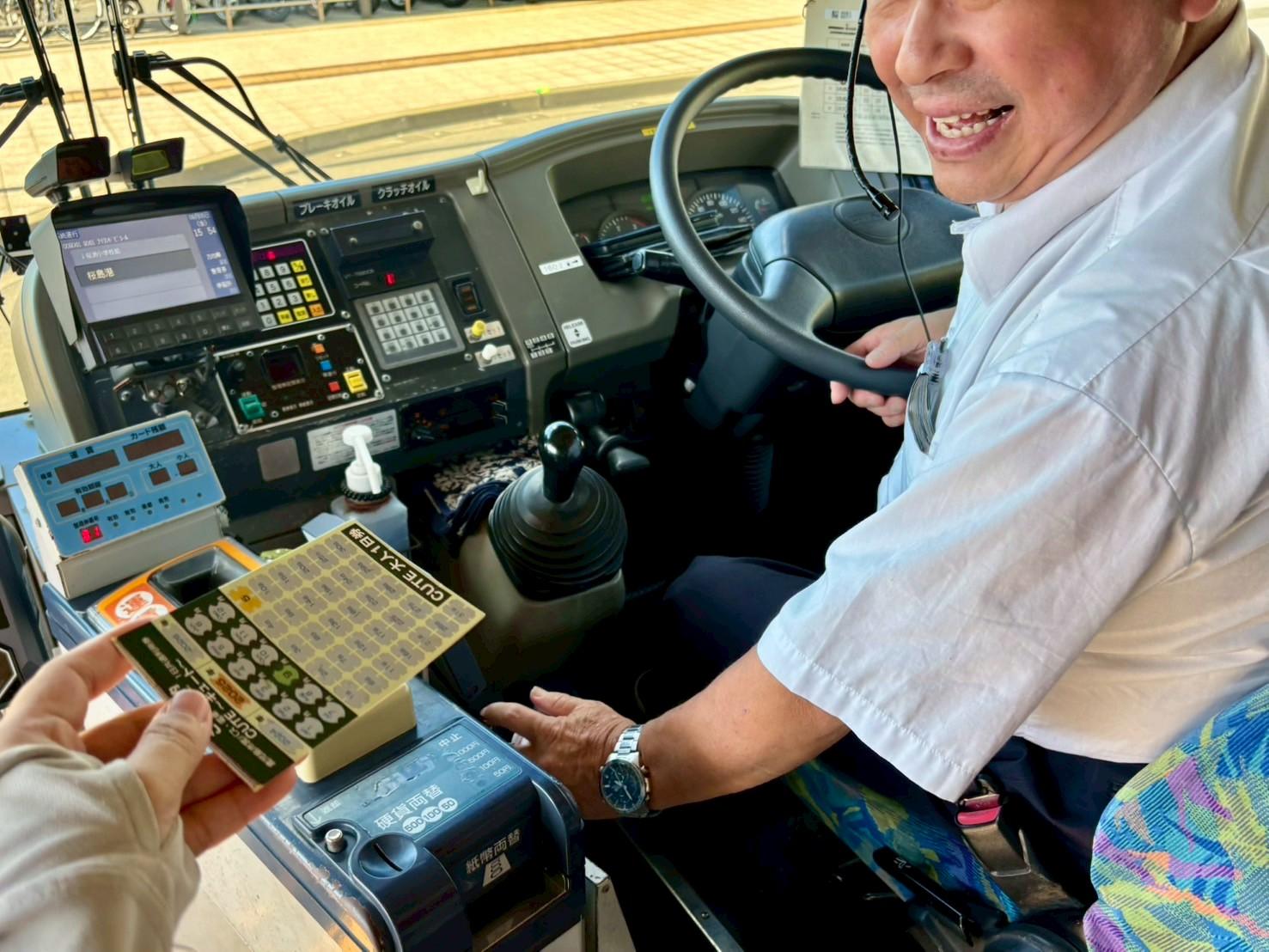
The CUTE Pass can be bought in advance; simply use a coin to scratch off the date of use.
The day begins at Kagoshima Chuo Station, a major transportation hub filled with shops, restaurants and cafés, should visitors want to get an early start and have breakfast here. There is also a Tourist Information Center located near the ticket gates, where helpful multilingual staff can provide sightseeing tips or advice before you set off.
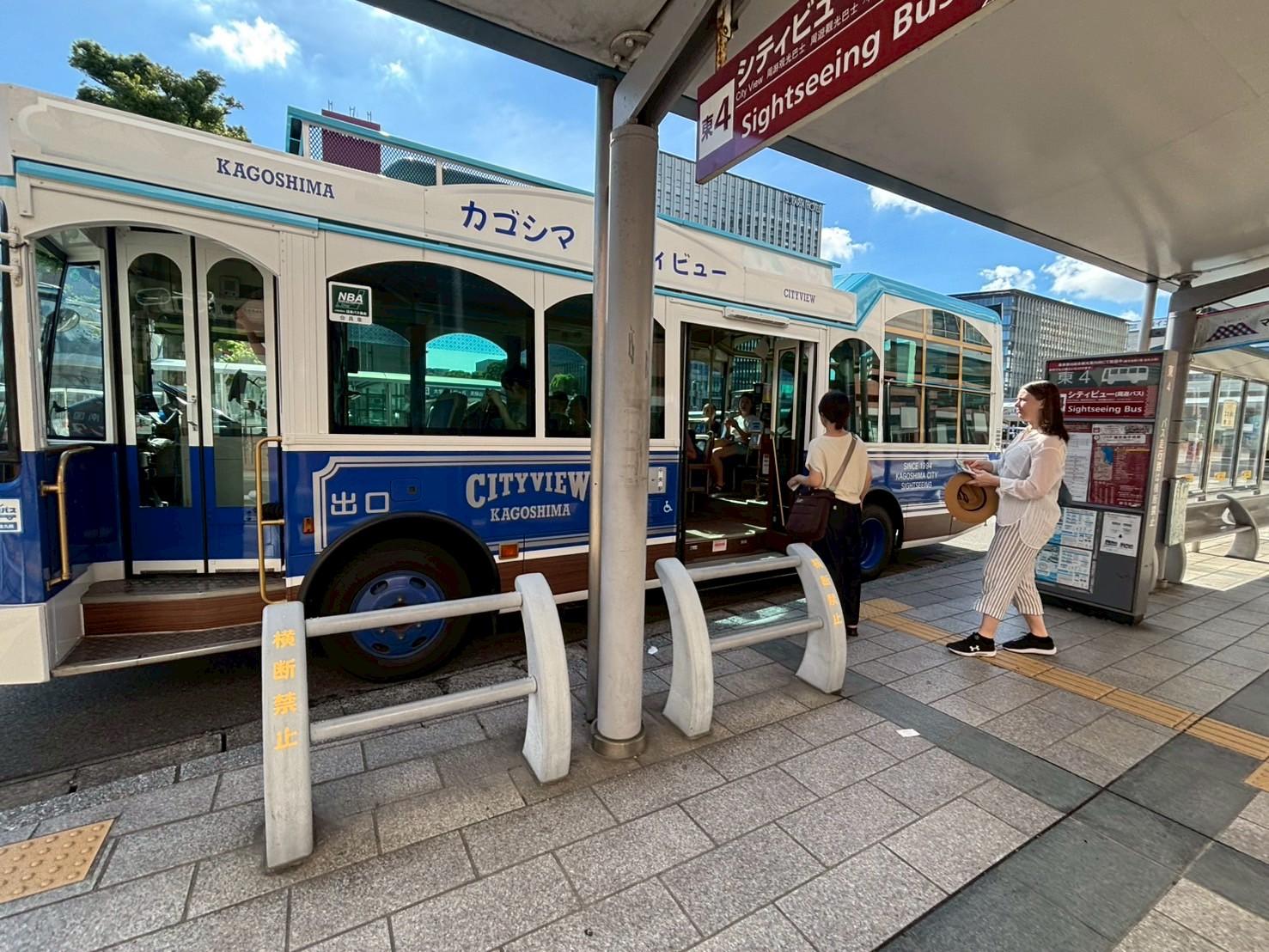
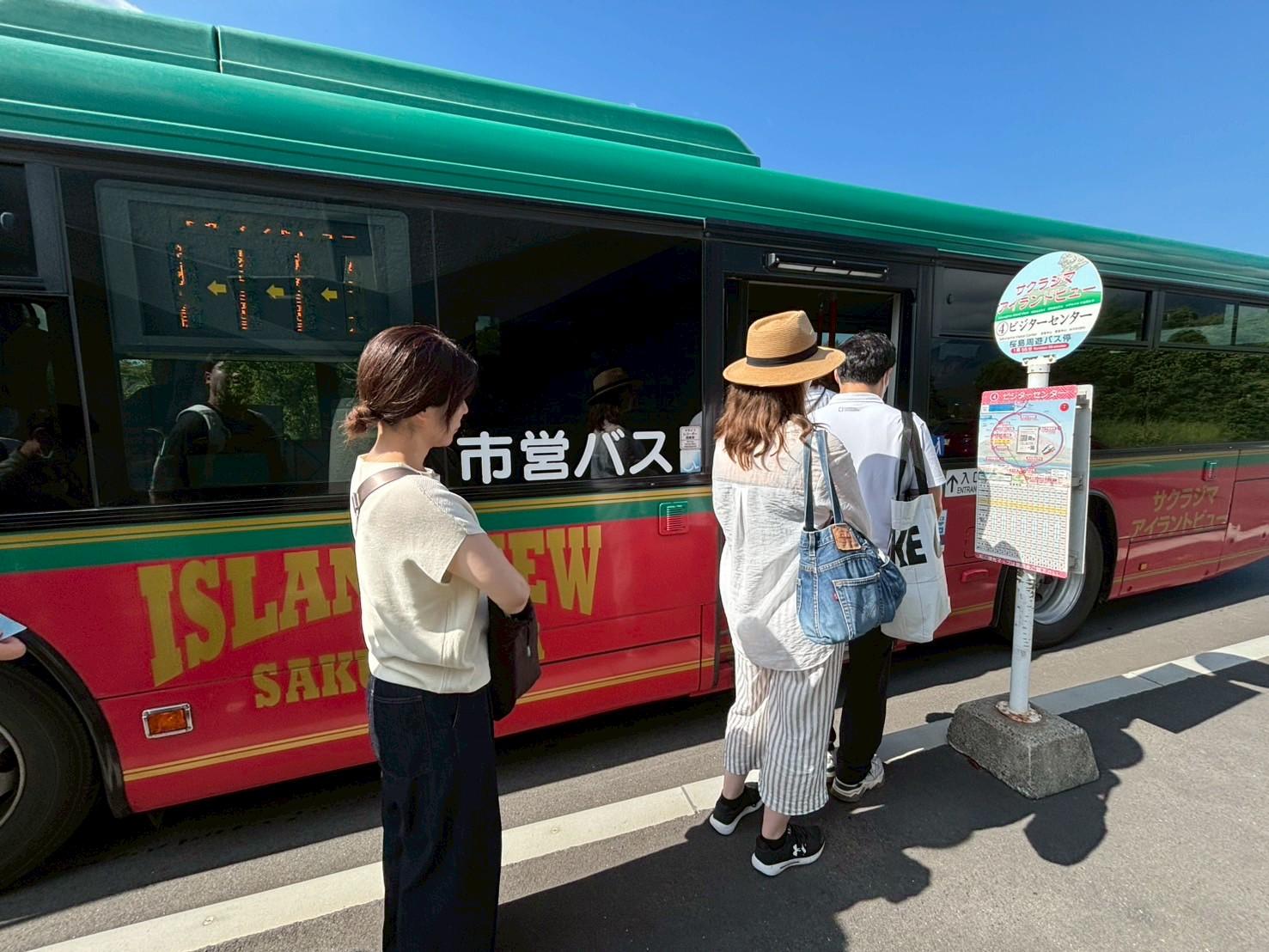
Leaving the east side (front) of the station, the tram platforms are directly outside, and the City View buses depart from nearby stops. Visitors can board freely and simply show the pass to the driver or other staff when alighting. For easy reference while on the move, the pass details the transport it covers as well as how much discount the holder will receive at each attraction listed.
Discovering Kagoshima
This one-day itinerary showcases highlights of Kagoshima, offering everything from breathtaking city views to the dramatic volcanic landscapes of Sakurajima, all made accessible with the CUTE Pass.
Google Maps may not display correctly if left open for more than 1 day
01| Shiroyama Observatory
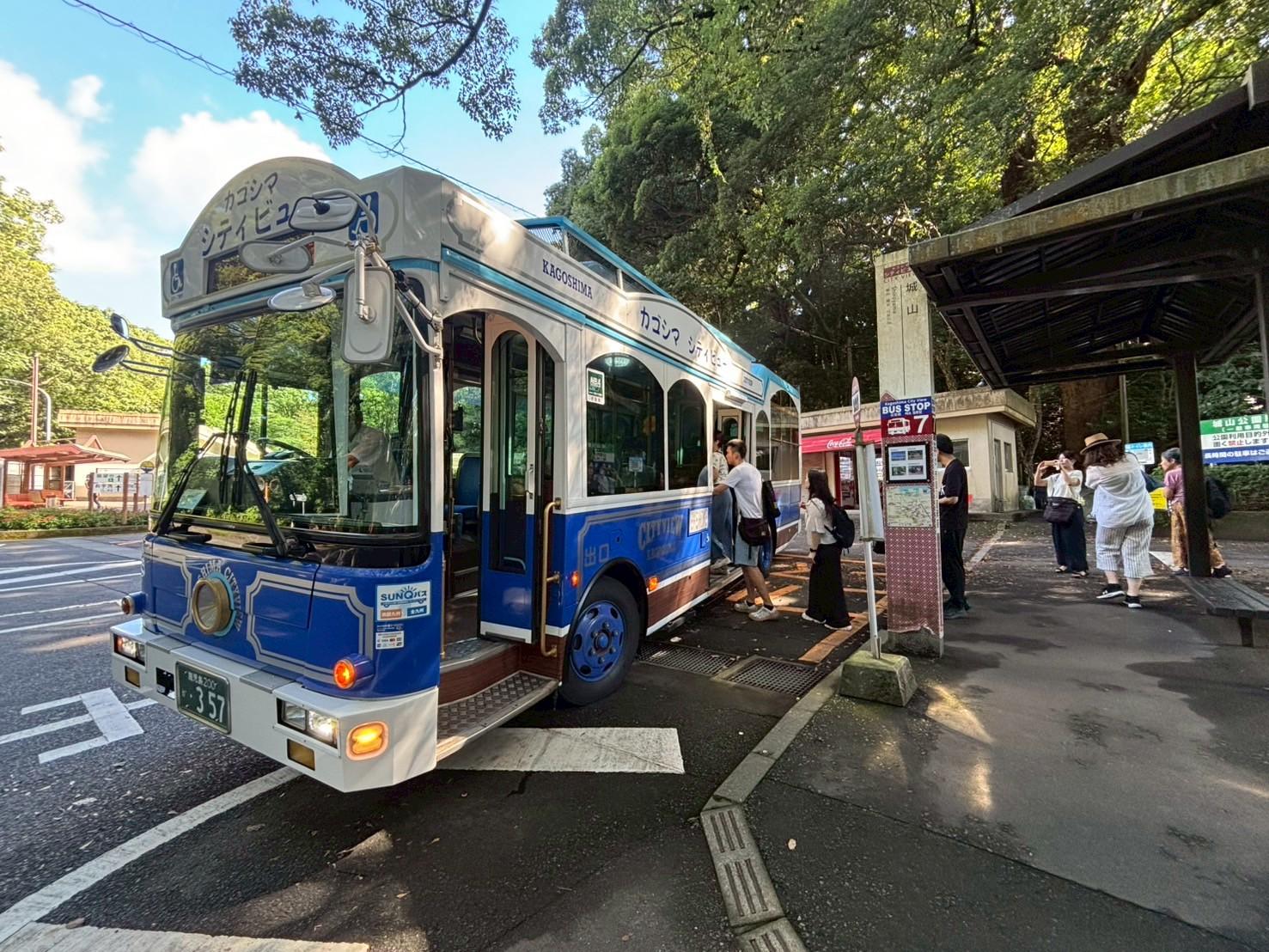
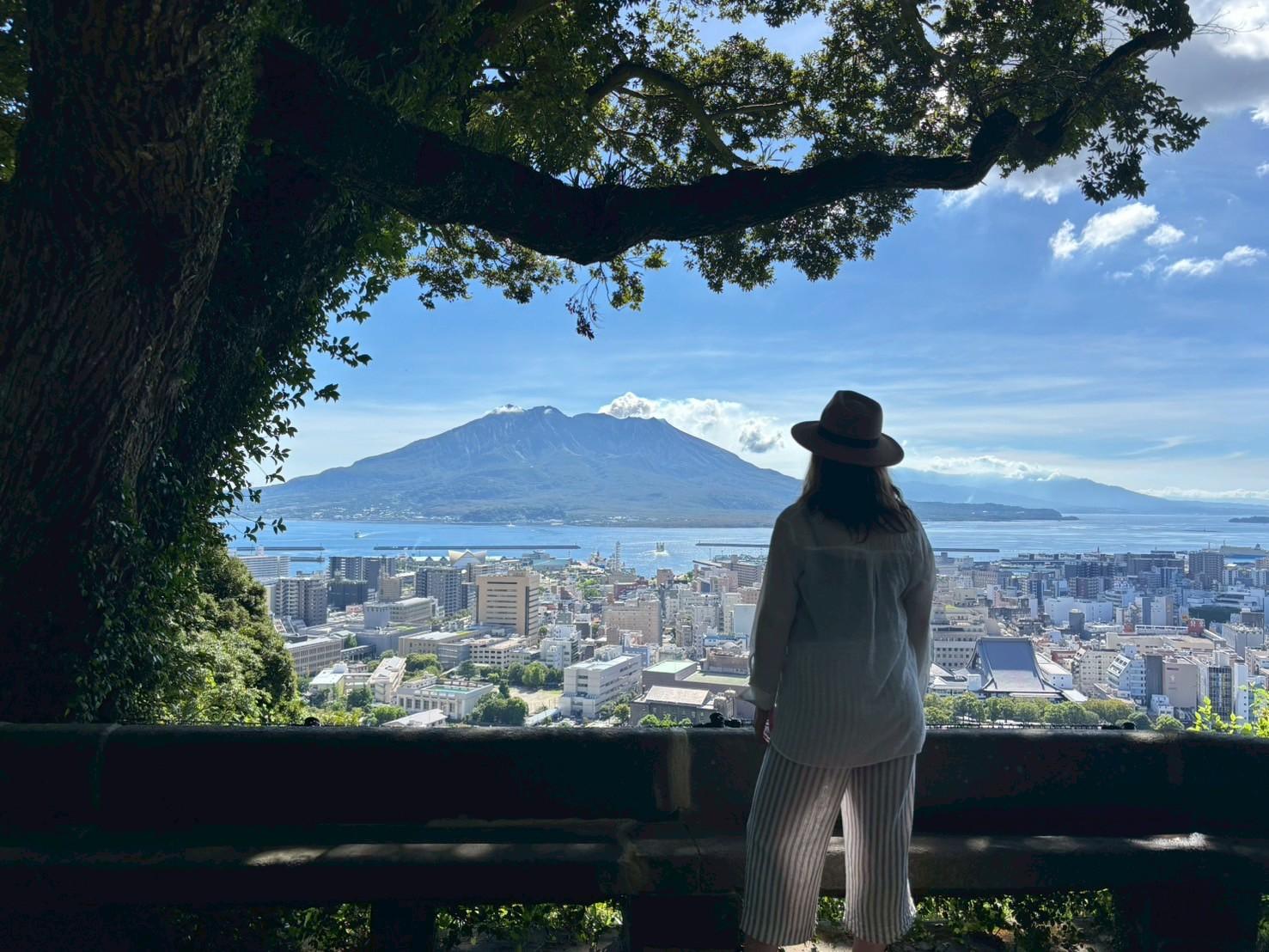
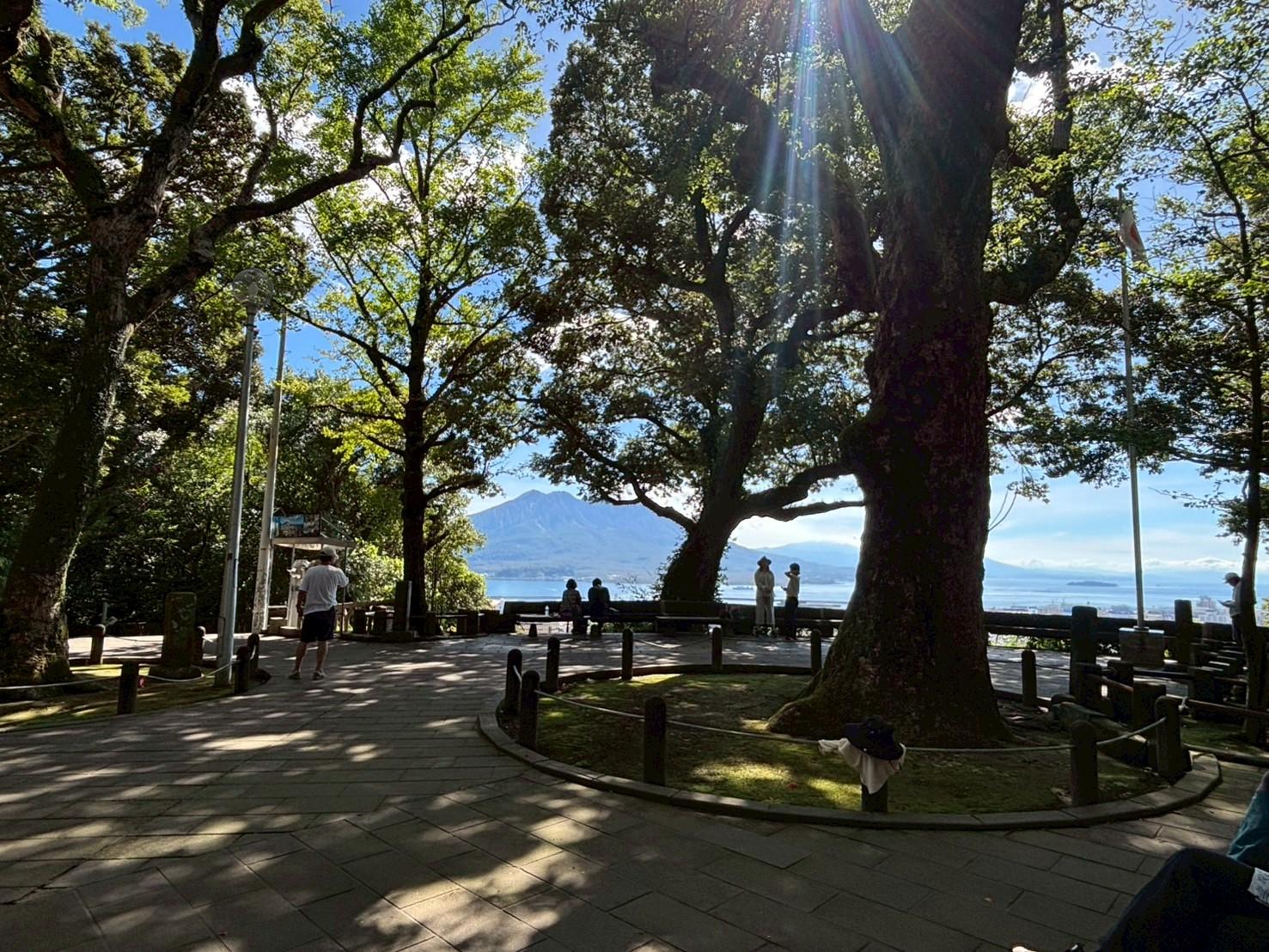
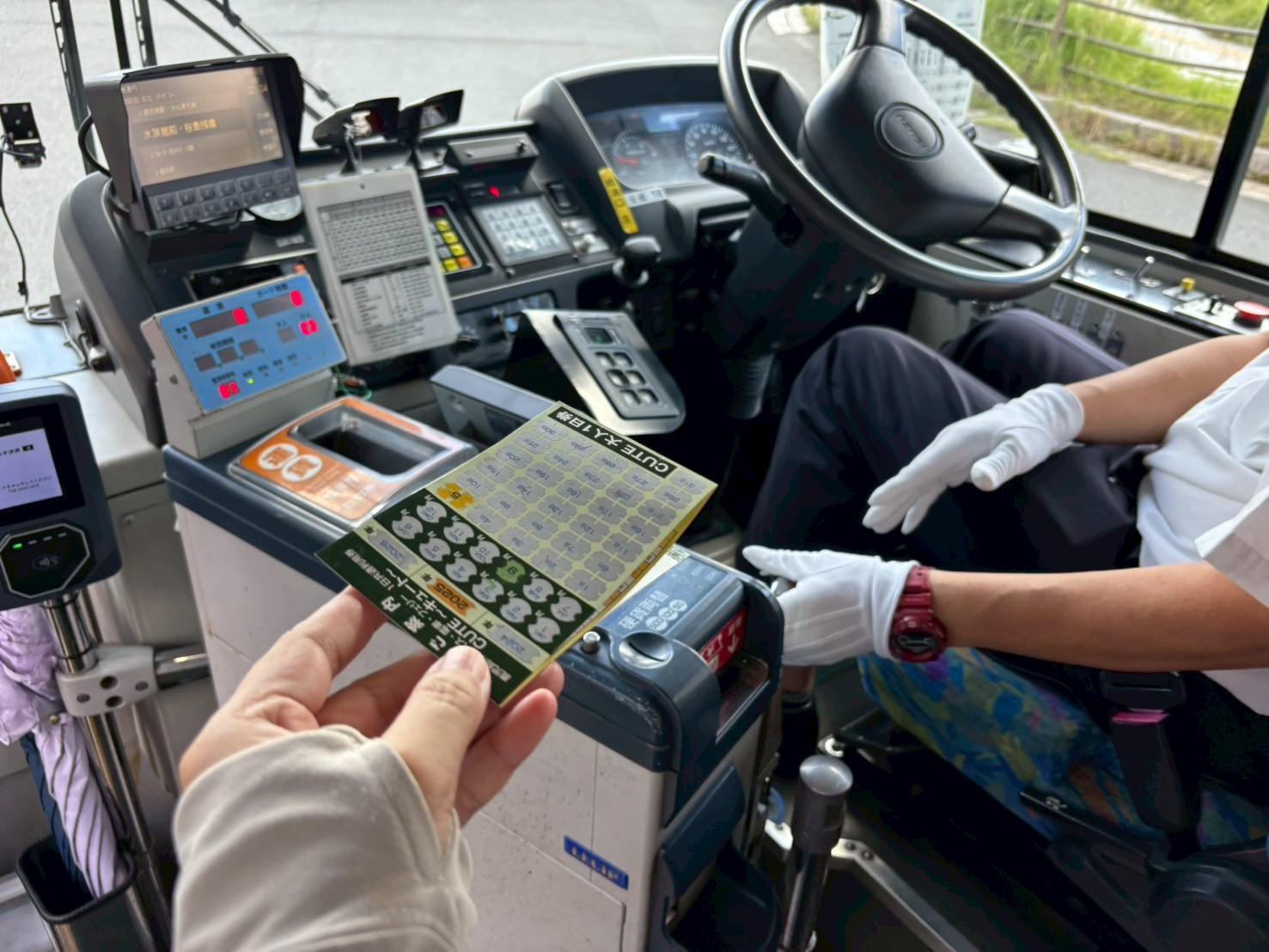
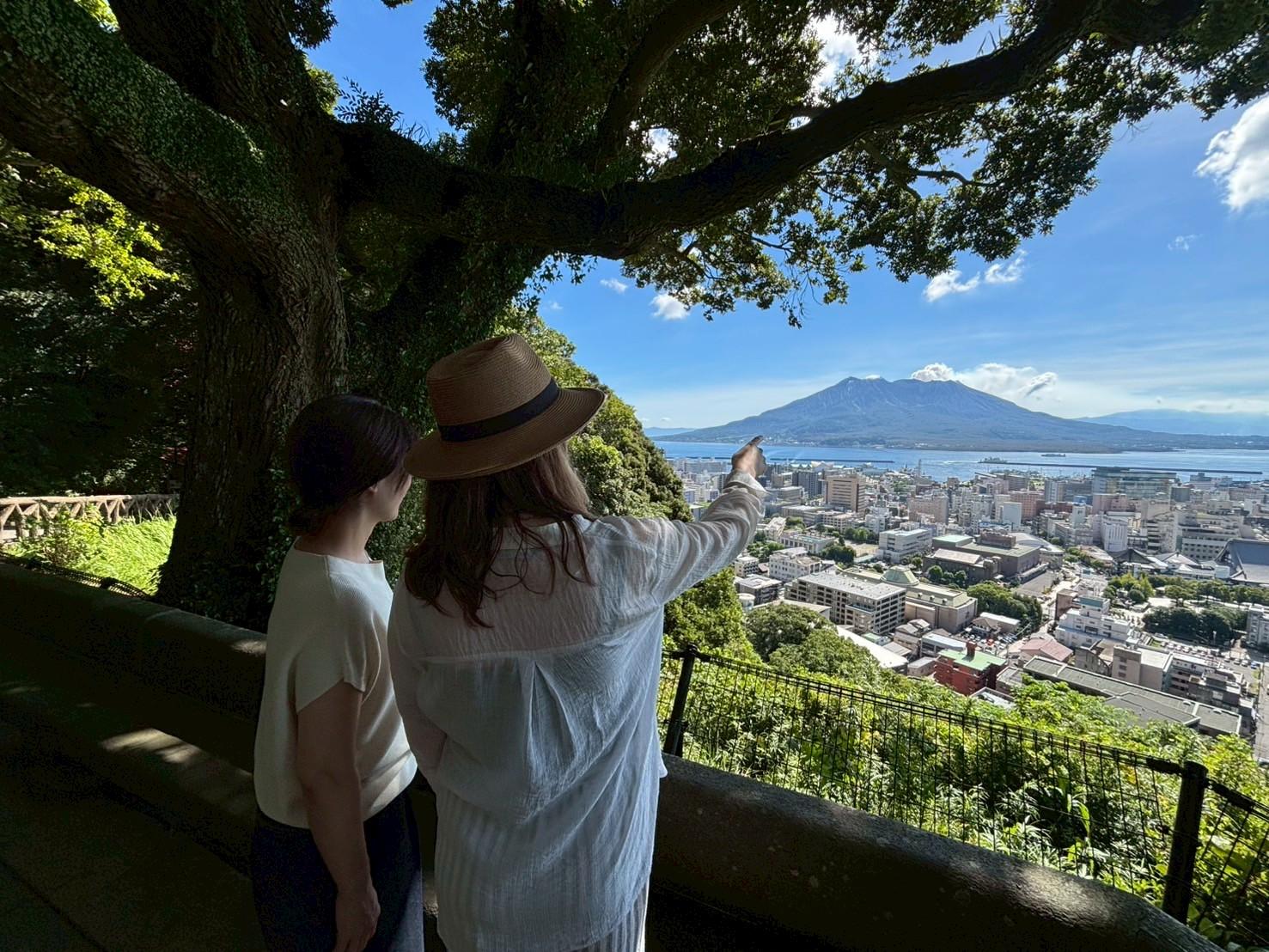
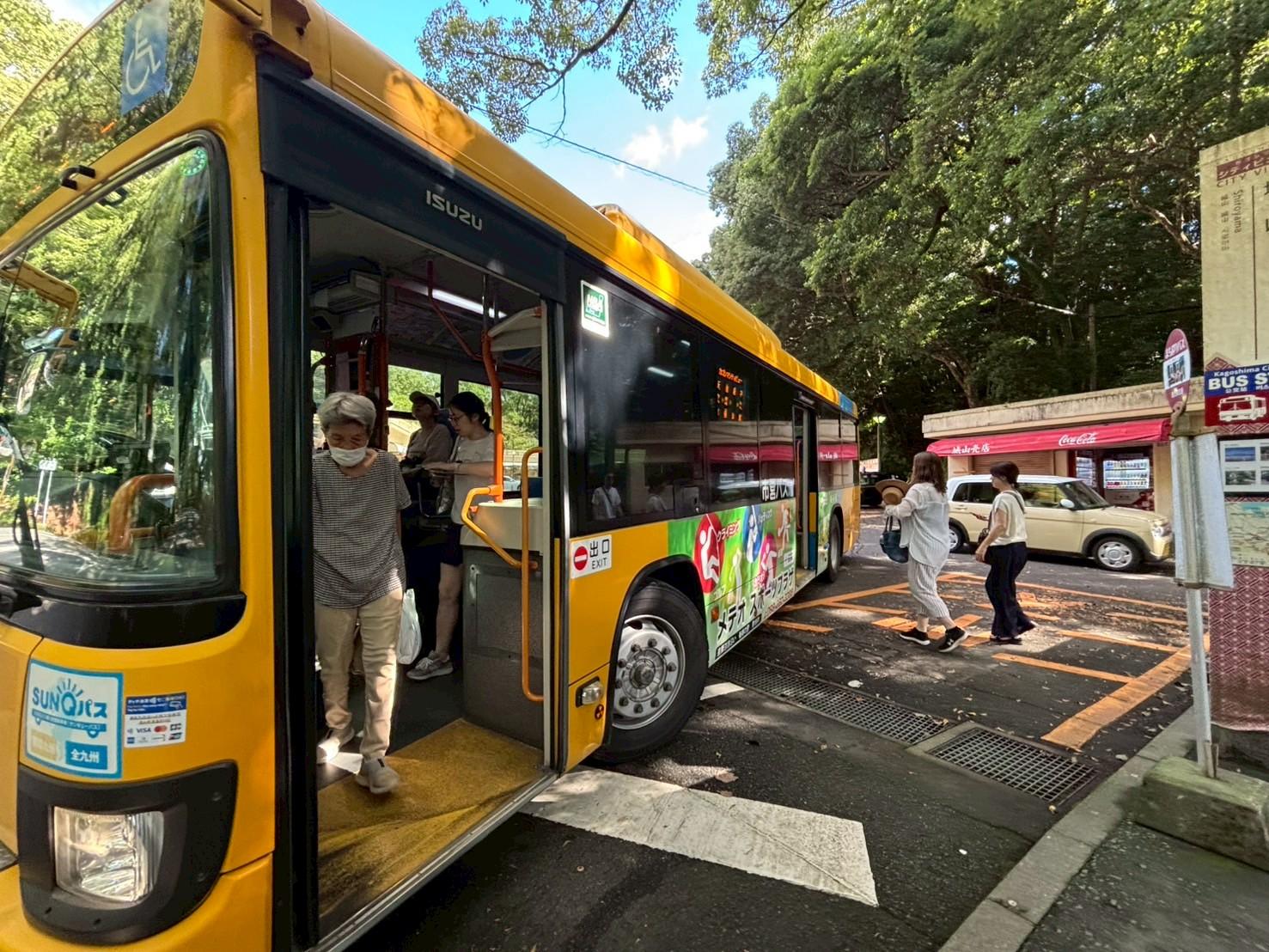
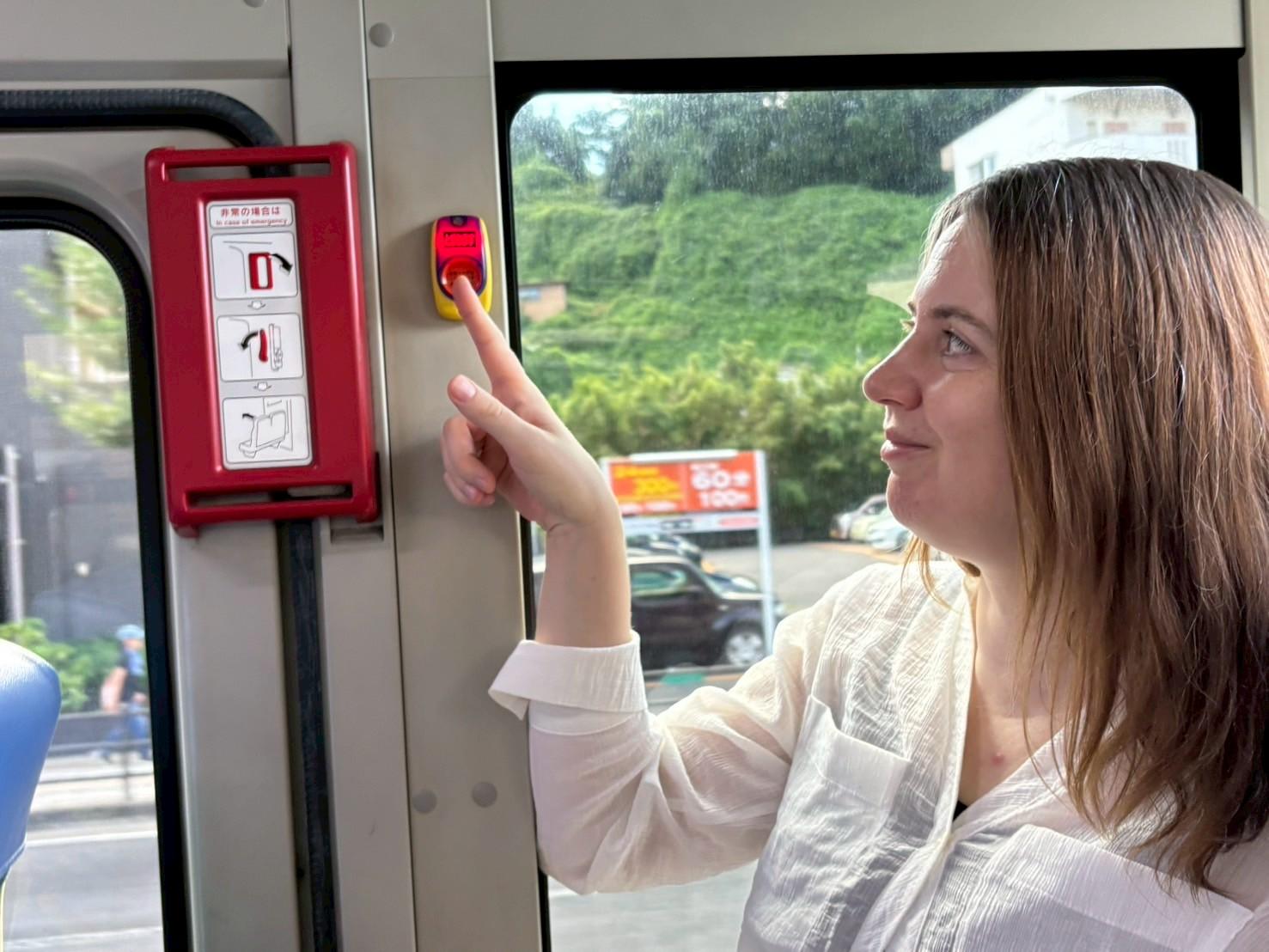
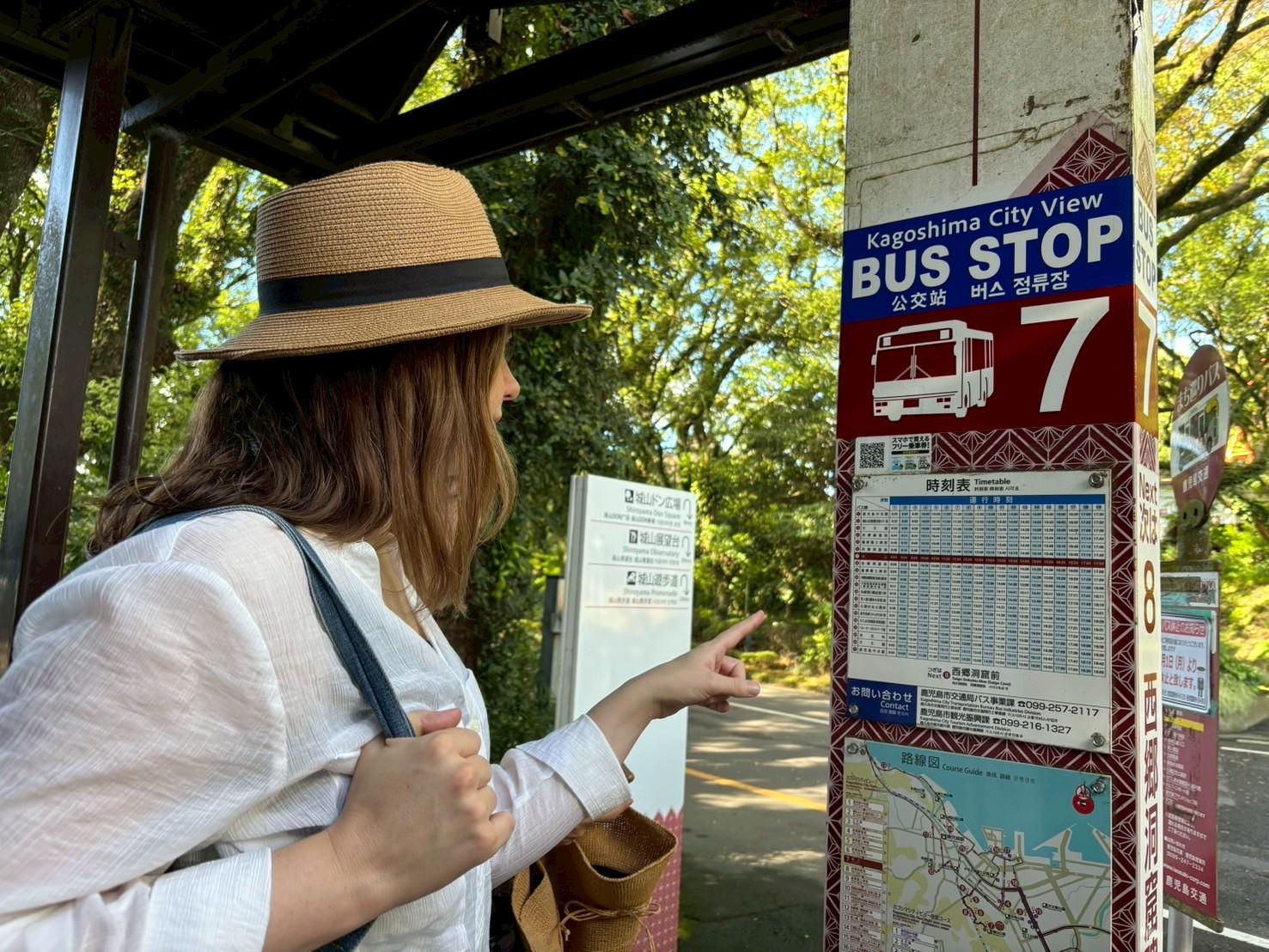
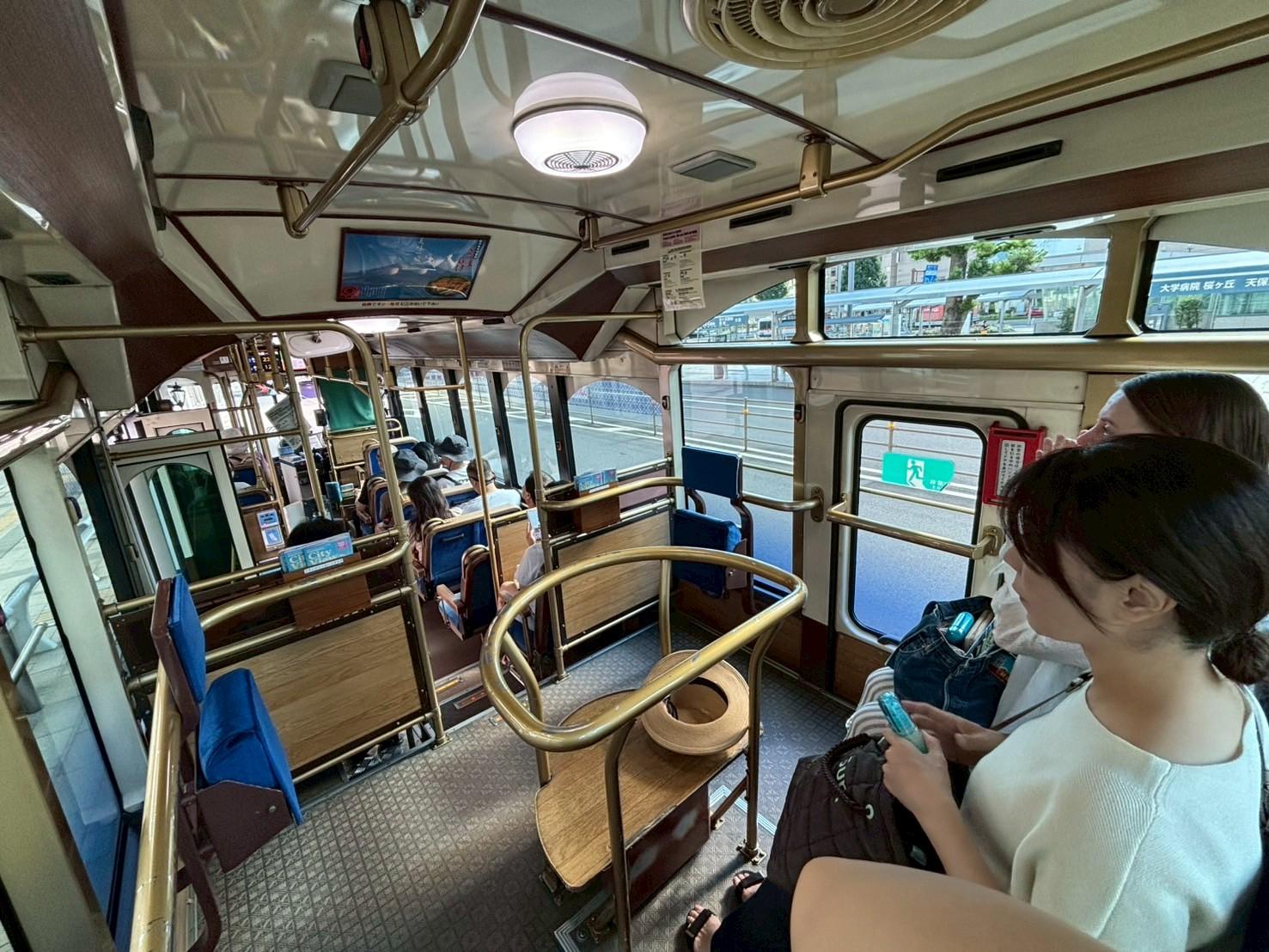
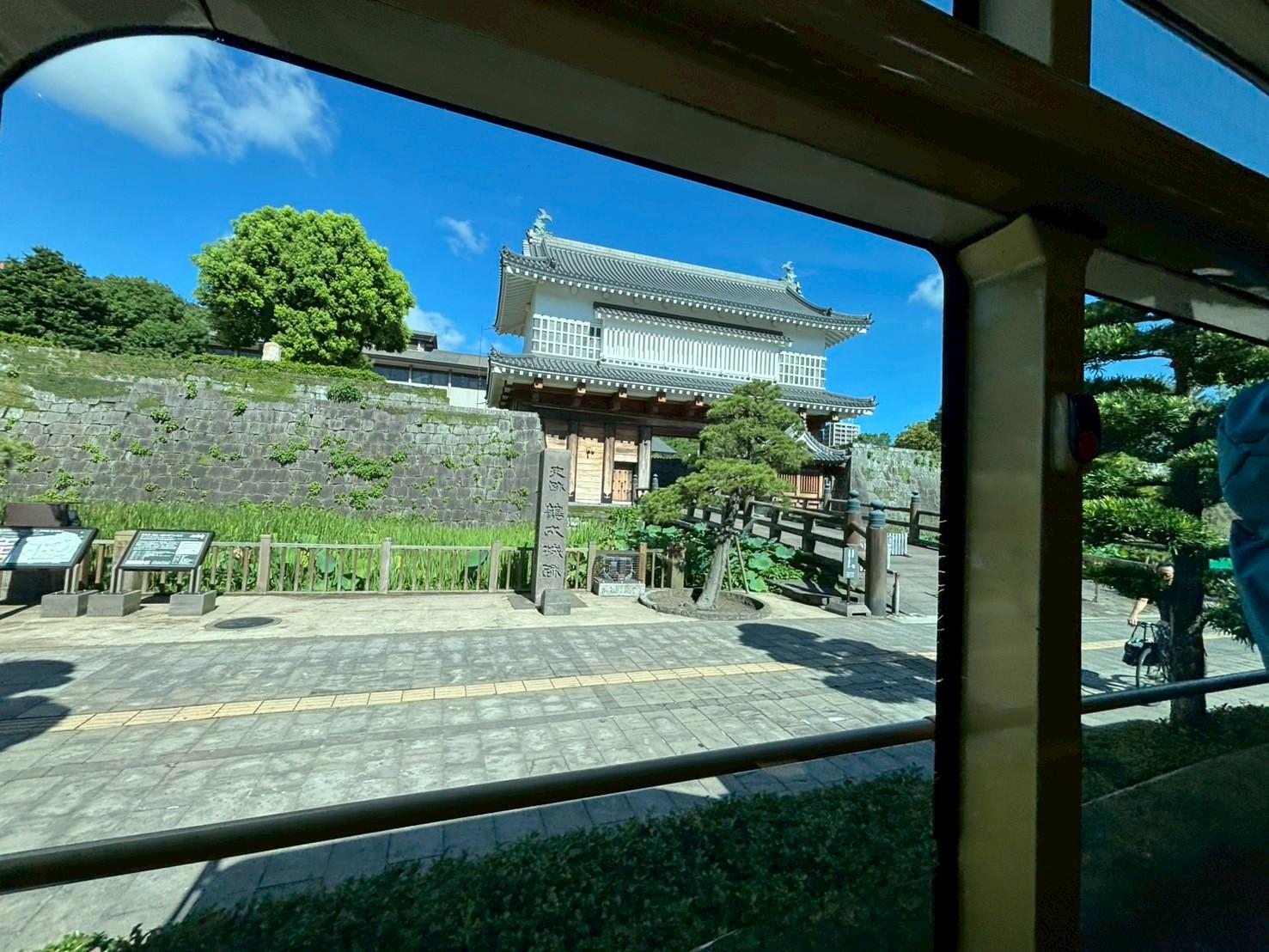
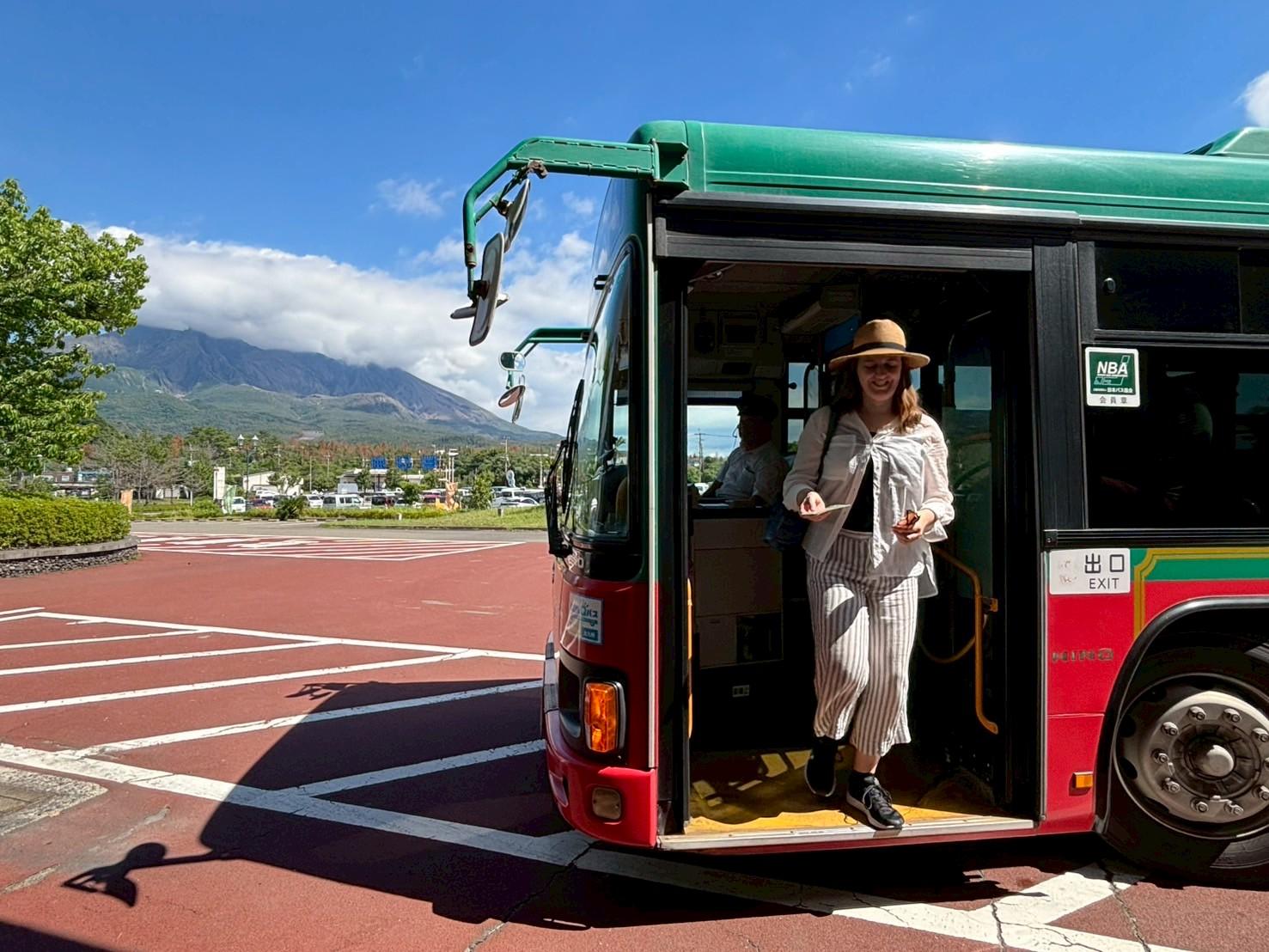
The Kagoshima City View Bus is the first mode of transport for the day. It comes in various colors, and passengers board from the rear and exit from the front. The bus first travels through the city’s downtown area of Tenmonkan, a bustling hub for shopping and dining, before passing by Goromon Gate, the main entrance of what was once Tsurumaru Castle, the residence of the Shimadzu clan who ruled the area during the Edo period (1603–1867). This impressive gate was painstakingly reconstructed after being destroyed by fire in 1873 and is one of the largest in Japan. The surrounding moats and stone walls offer a tranquil setting.
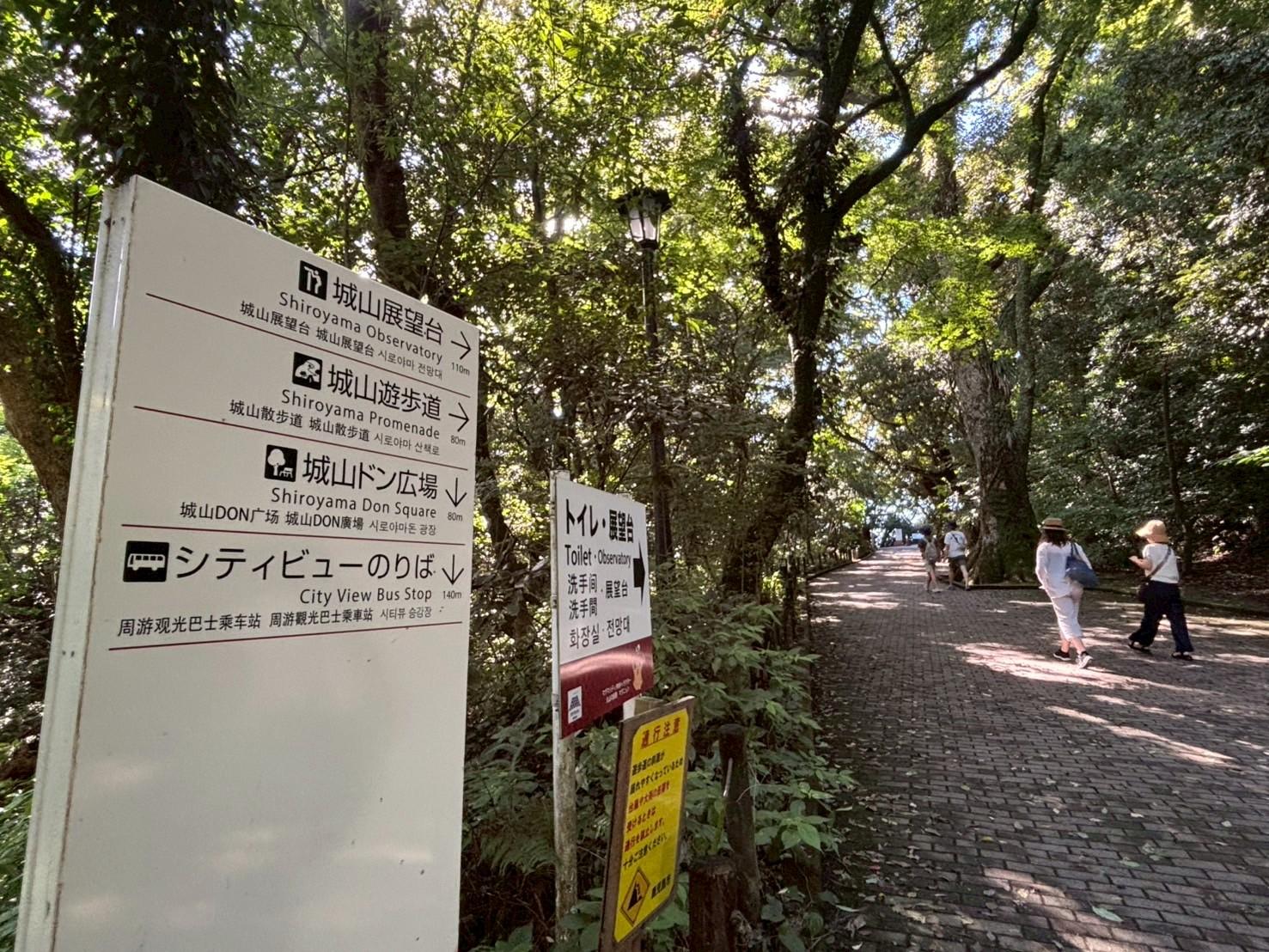
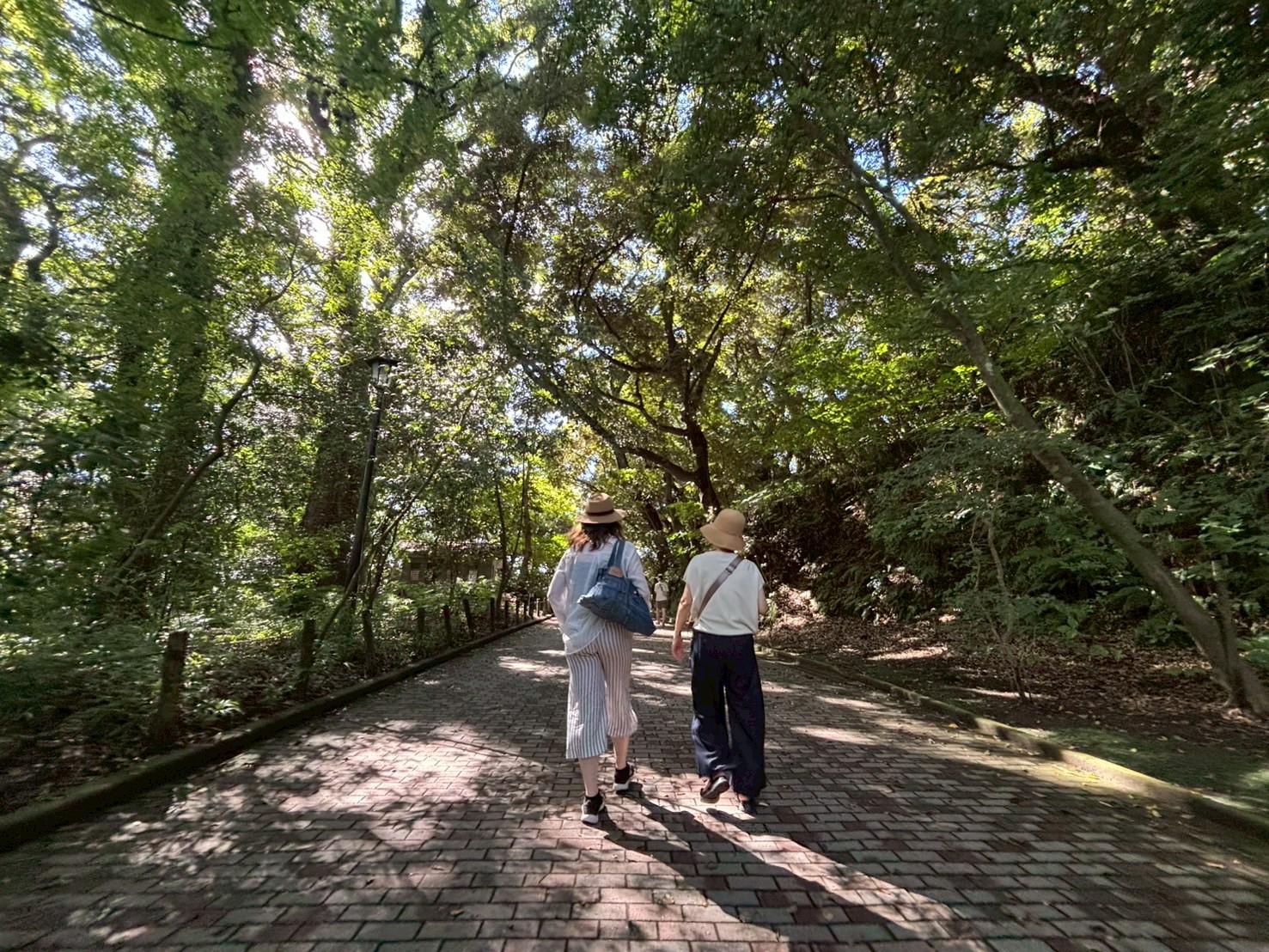
Soon the bus winds up the slopes of Shiroyama, the forested hill that rises above the city center, to reach Shiroyama Observatory. From the bus stop, it’s a gentle walk through tranquil leafy surrounds to reach the look-out point, which offers an extraordinary panorama of downtown, the sparkling surface of Kinko Bay and, towering above everything, Sakurajima.
The morning air is usually clear here, making it ideal for photography or simply taking in the view. Informational signs explain the area’s significance, including its association with the last samurai of the Satsuma domain. A walk around the observation area reveals quiet wooded corners and scenic paths that create a serene tone for the day.
02| Sengan-en, Satsuma Kiriko Glassworks and a Scenic Starbucks
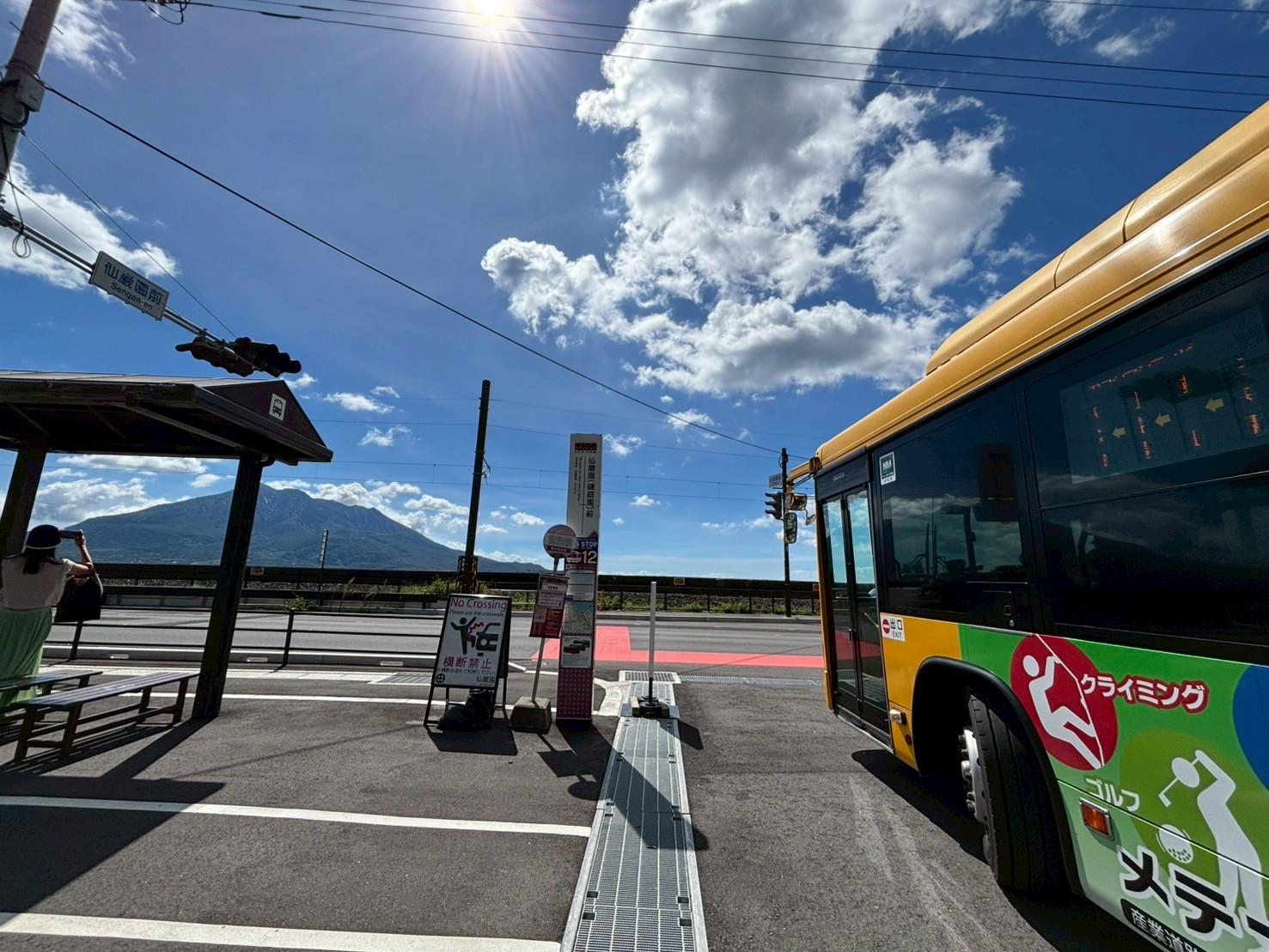
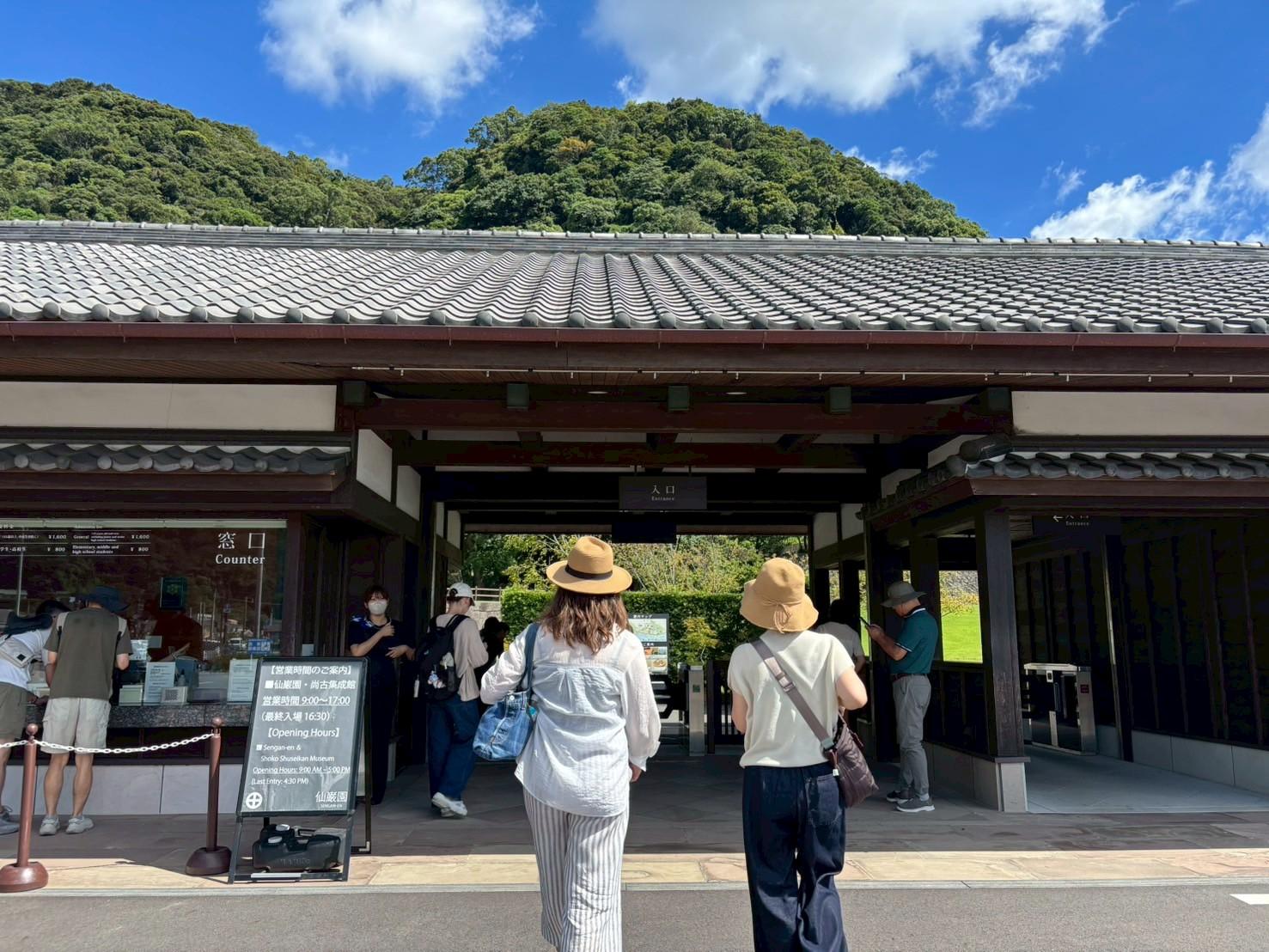
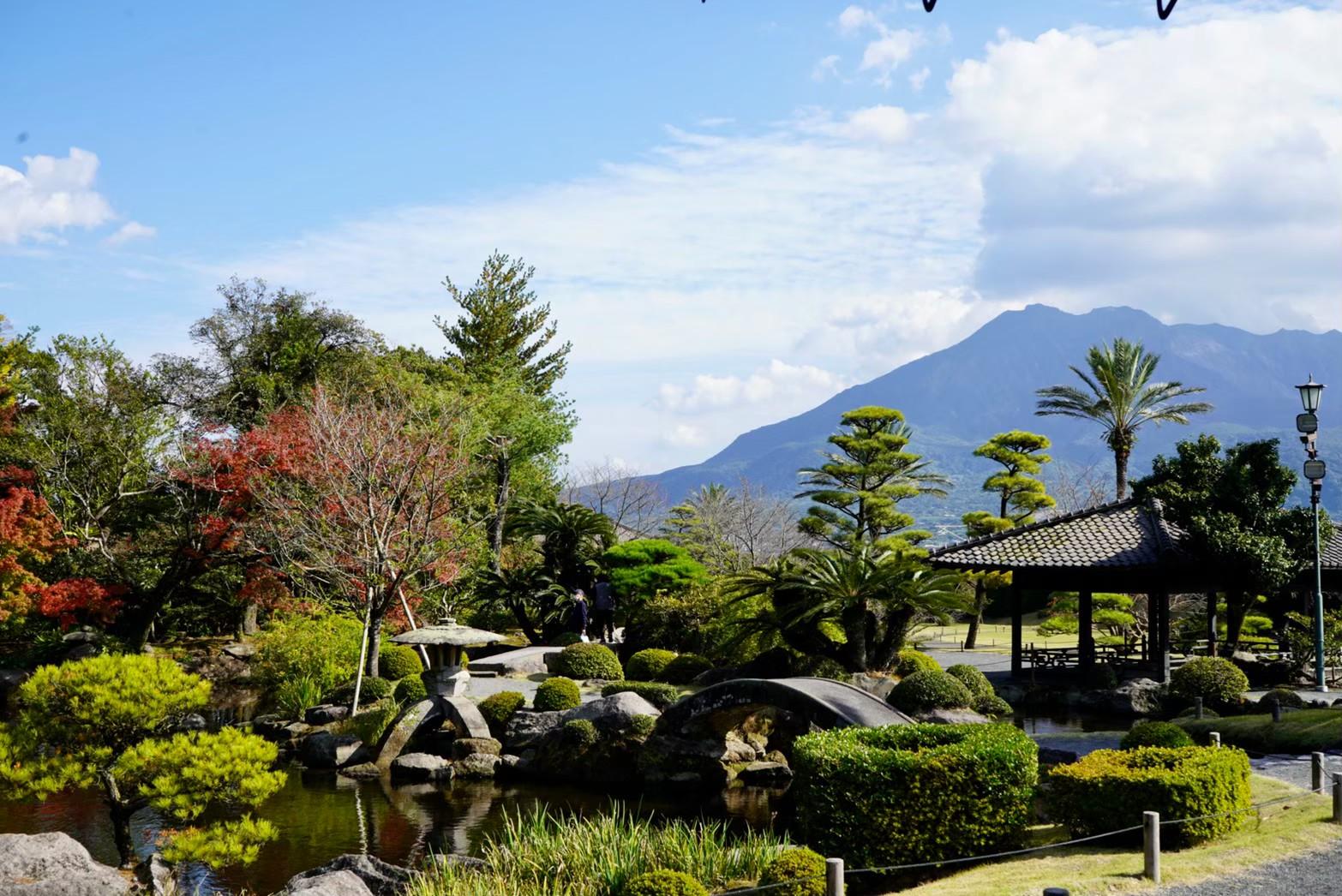
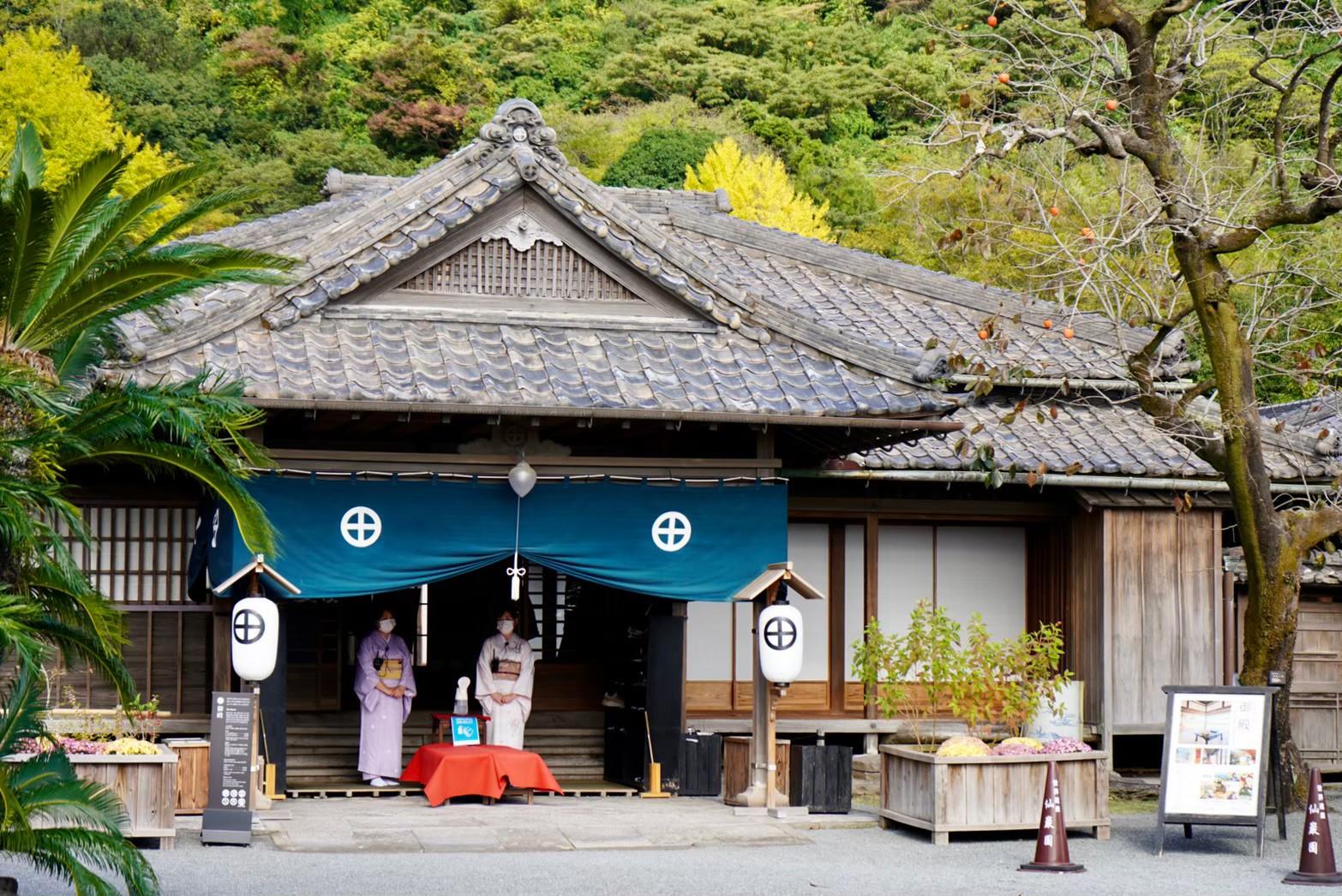
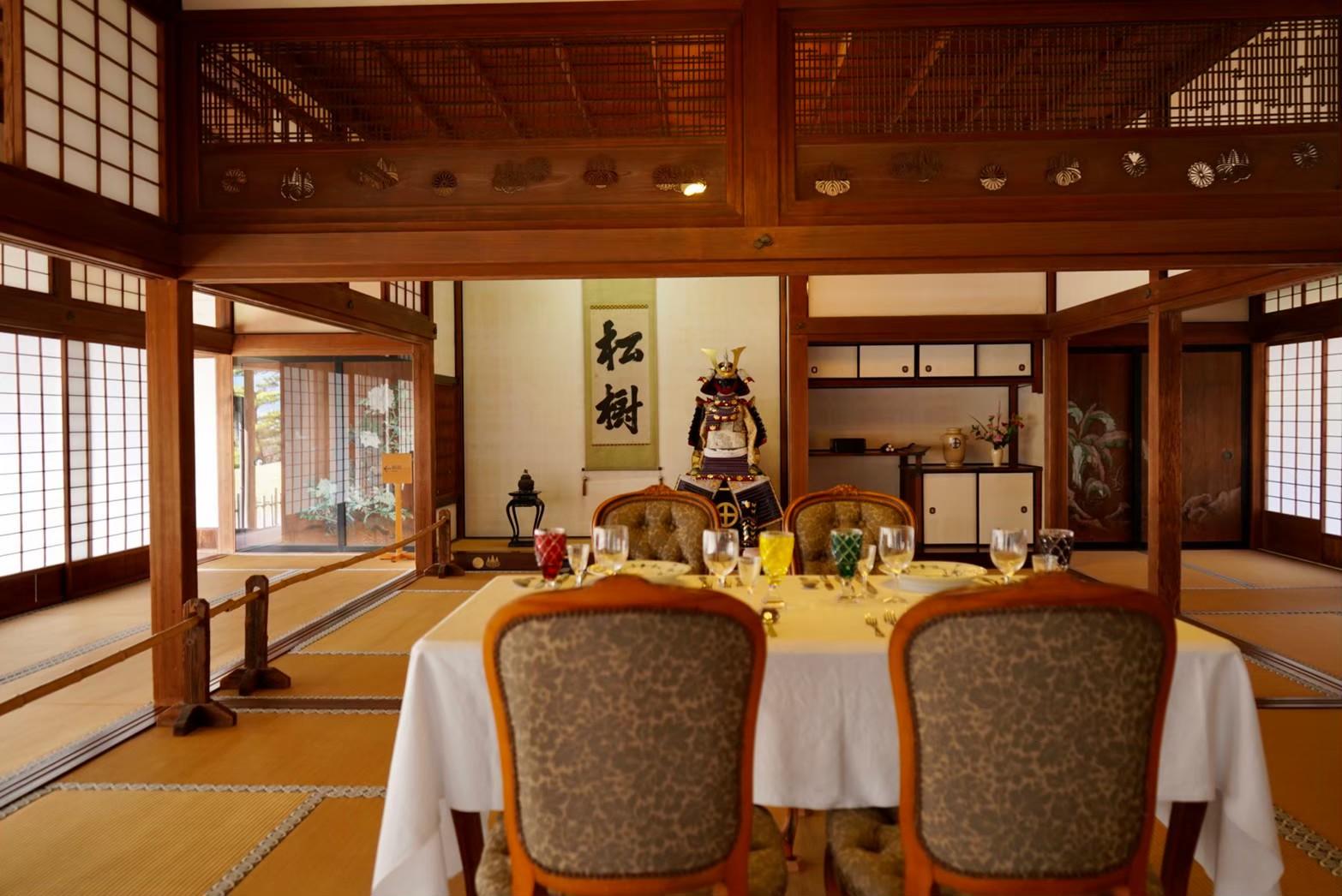
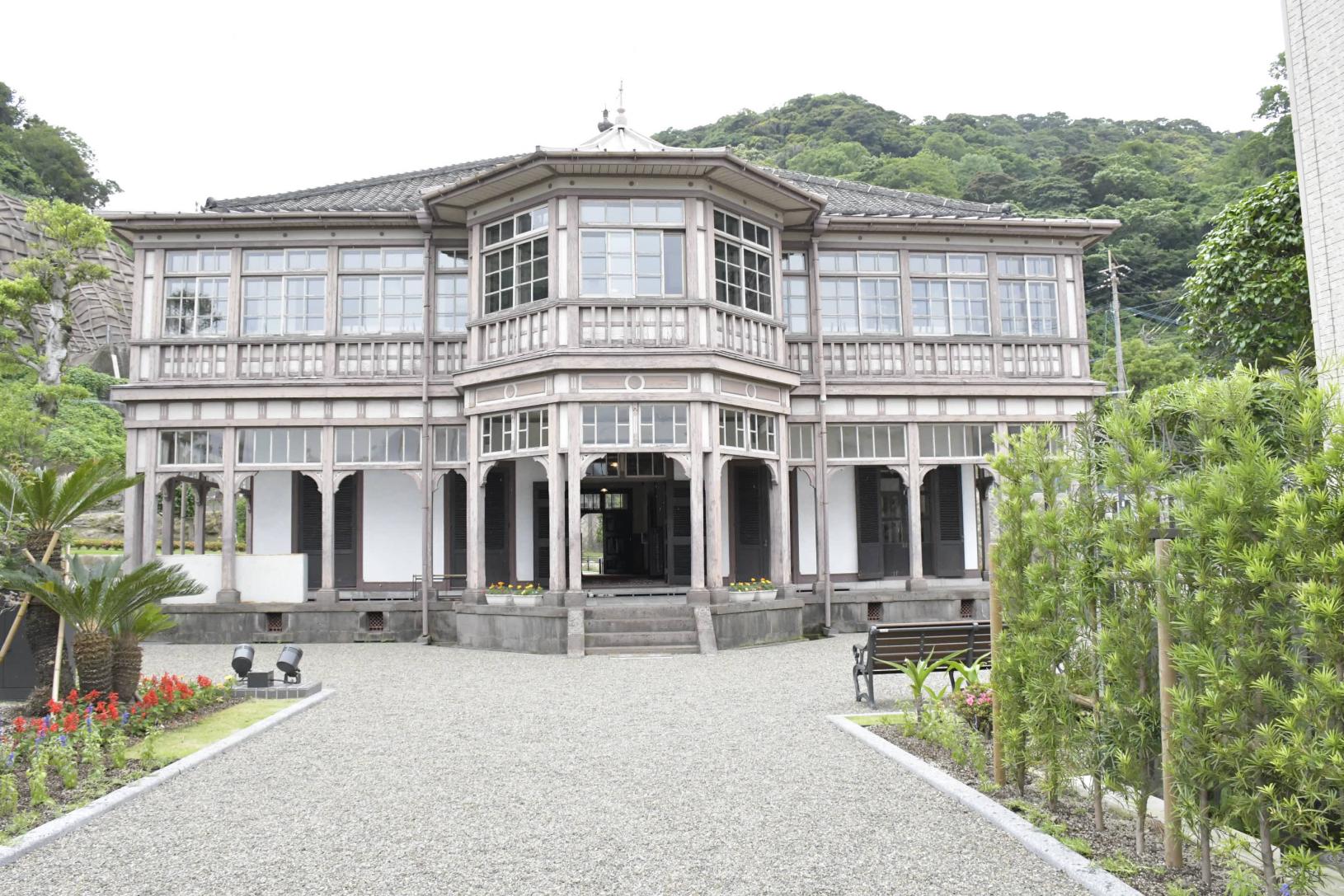
From Shiroyama, take the City View Bus to the beautifully preserved Sengan-en, a traditional garden and stately home overlooking Sakurajima and Kinko Bay. A UNESCO World Cultural Heritage Site, Sengan-en was built in 1658 by the powerful Shimadzu clan and played a pivotal role in Japan’s modernization. Visitors can tour the house, which once served as the Shimadzu family’s residence, and explore its historical artifacts. The on-site museum, meanwhile, offers deeper insights into the region’s cultural heritage and the Shimadzu legacy.
The garden’s landscape beautifully blends Japanese, Chinese and Western influences, with tranquil ponds, pathways and seasonal flowers that bloom in each season. Scenic walking paths weave throughout and seem almost designed to incorporate Sakurajima into the background of every possible photo.
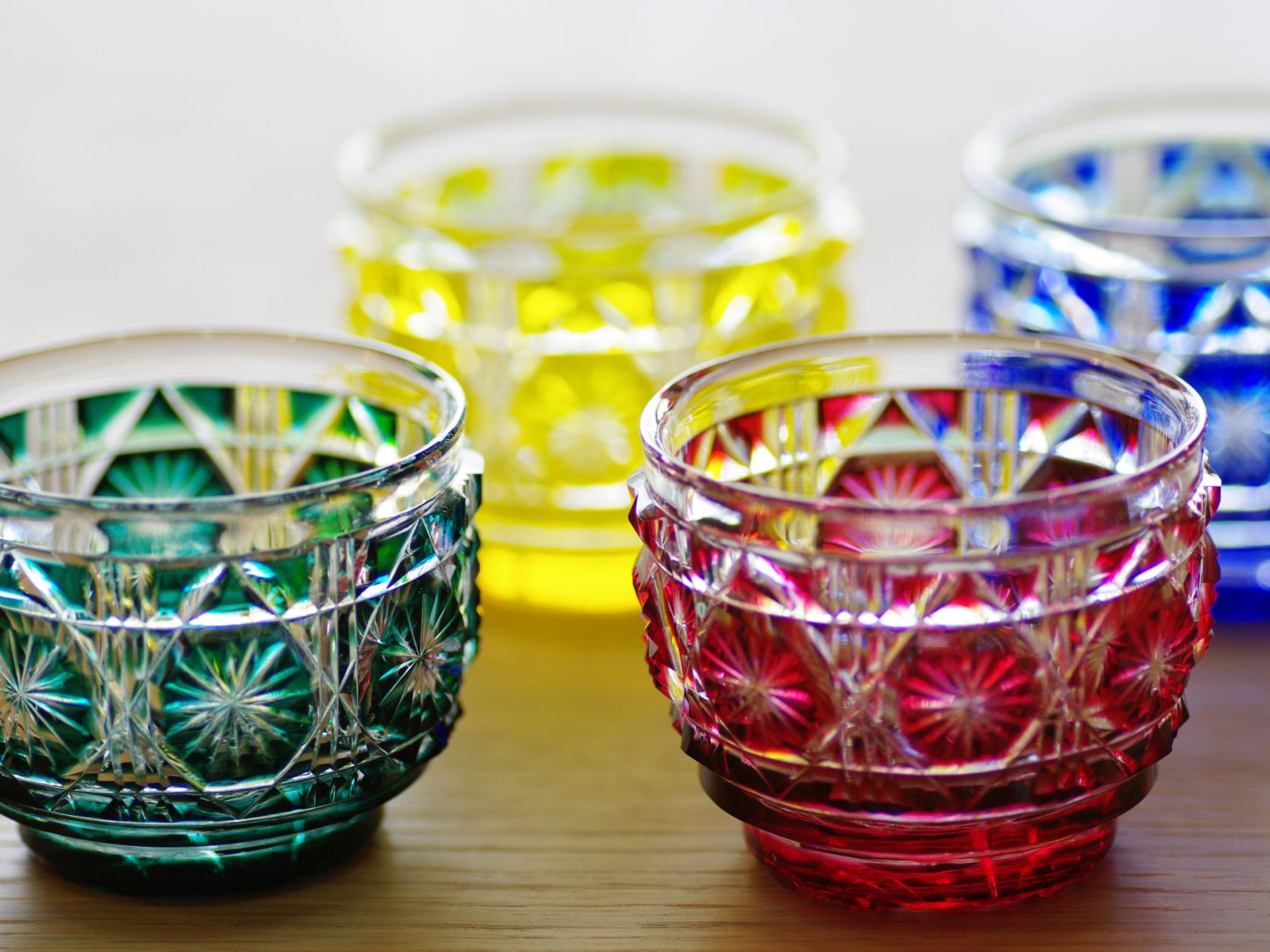
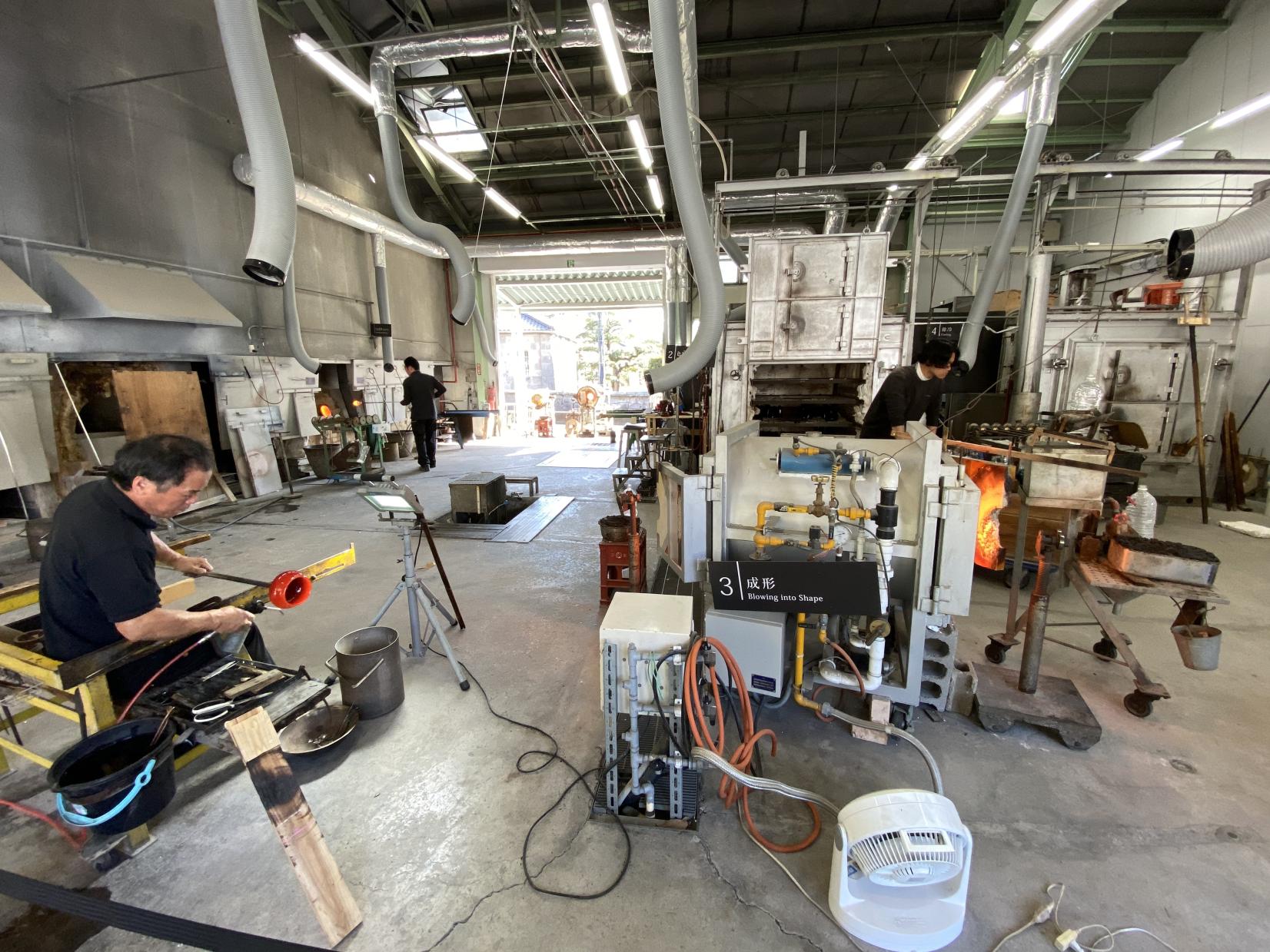
The nearby Satsuma Kiriko Glassworks reveals the skill and artistry behind Satsuma Kiriko cut glass, one of Kagoshima’s most famous traditional crafts. Visitors can watch artisans create brilliantly faceted cut glass pieces in a range of stunning colors while learning the history and techniques behind the craft.
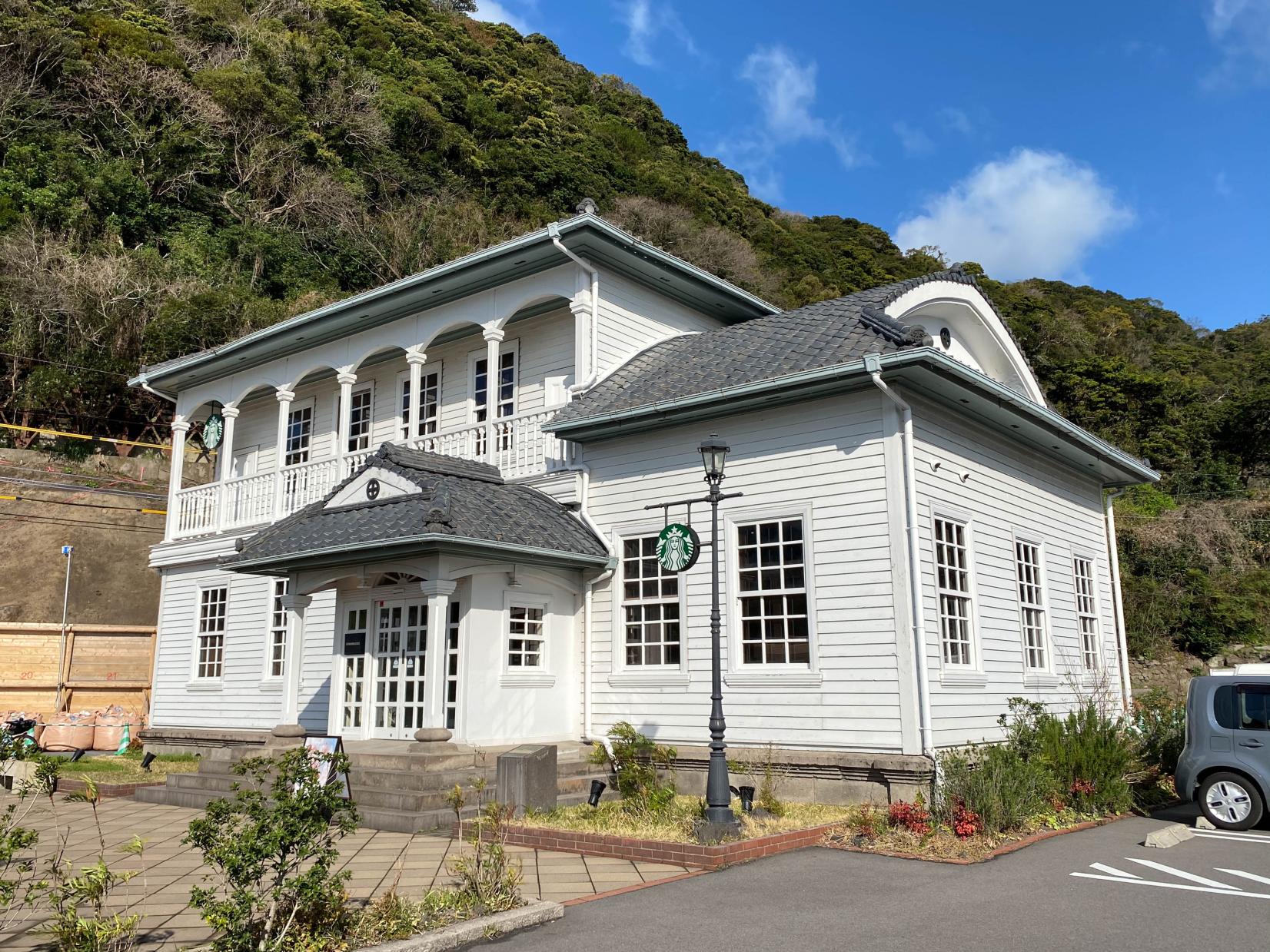
Before moving on, don’t forget to check out the Starbucks, known for its unique location inside a renovated Tangible Cultural Property and its terrace, boasting views of Sakurajima. Once Shimadzu clan property, the building blends modern comfort with an interior design that includes decor inspired by Satsuma Kiriko and Kagoshima-sourced cedar, as well as photos showcasing the site’s history and local coffee production.
Travelers who would like to spend more time in this area can explore a host of other sightseeing spots on foot, including the Former Shuseikan Machinery Factory, the site of the Kagoshima Spinning Mill and the Former Kagoshima Foreign Engineers’ Residence Ijinkan, which was built in 1867 to house foreign workers of the spinning mill.
03| Iso beach area
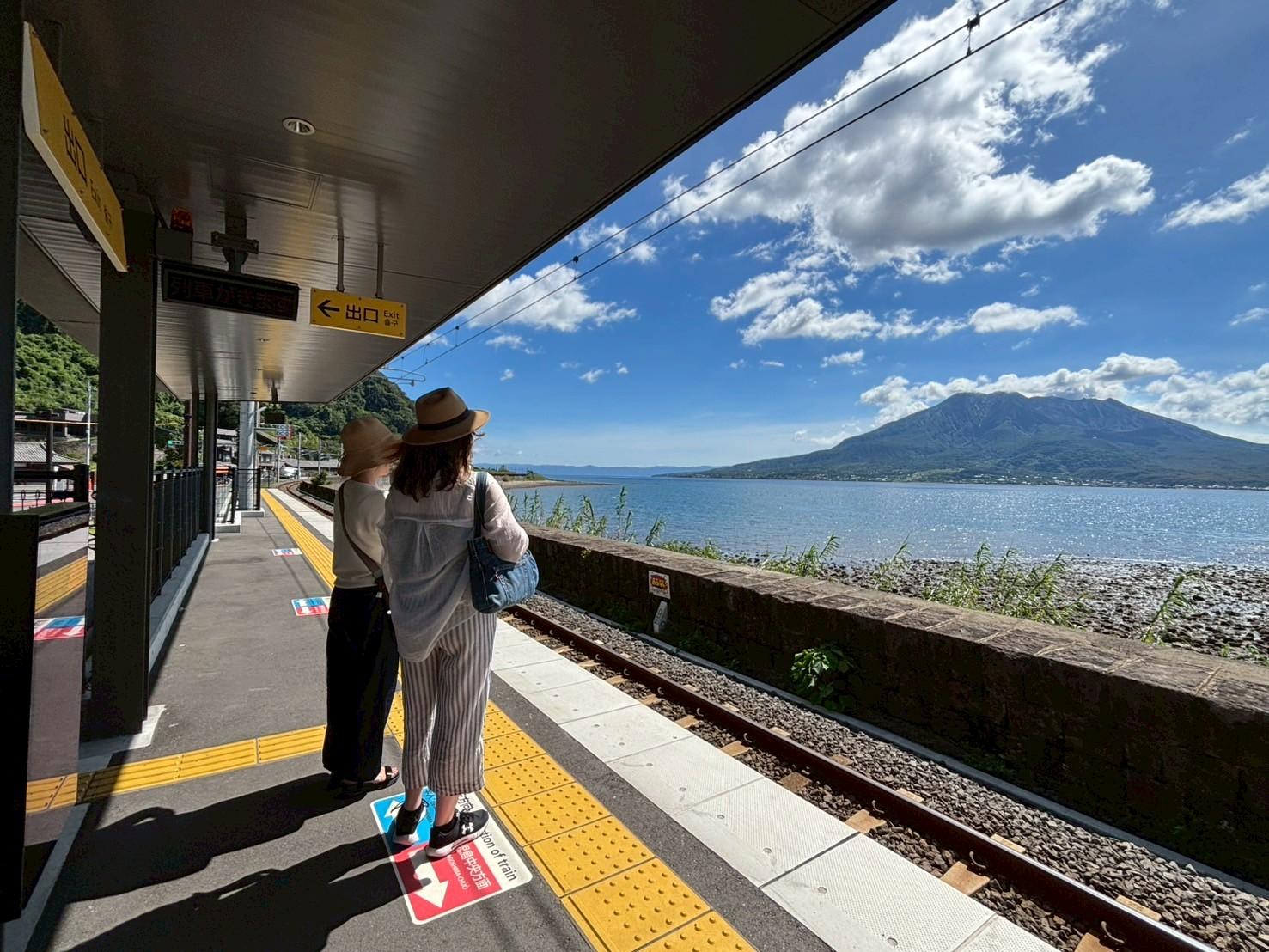
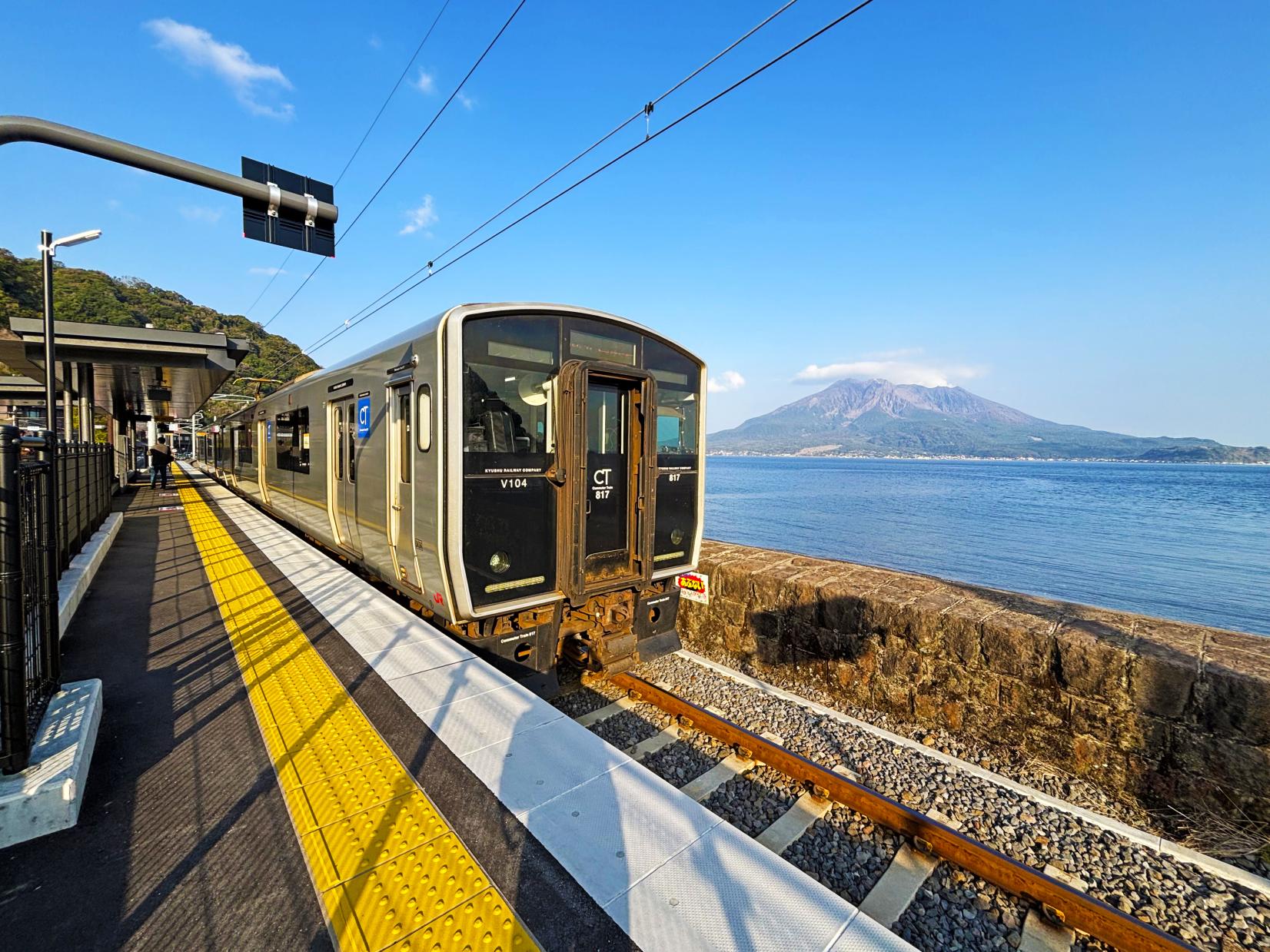
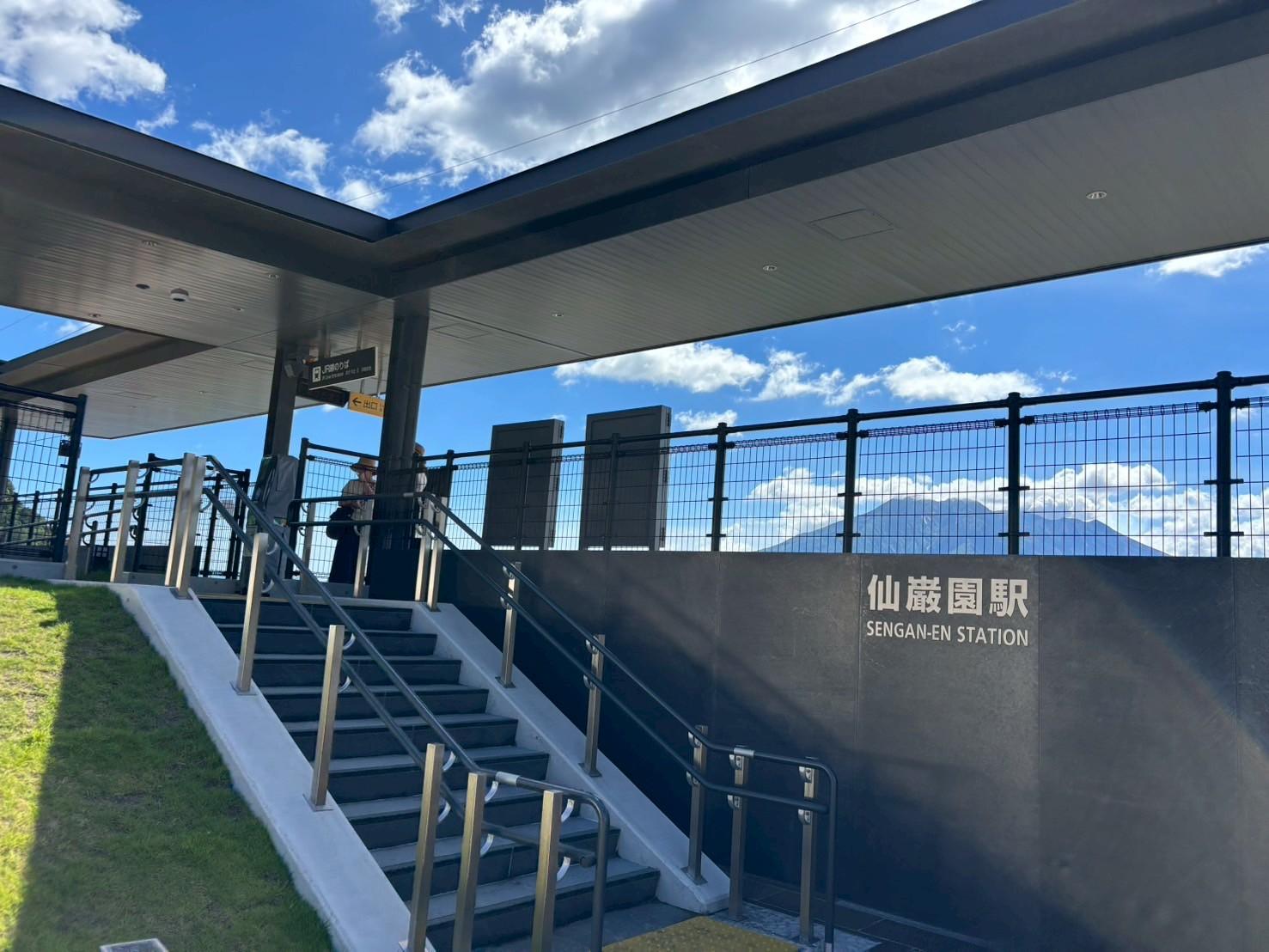
Before moving to the next highlight, cross the road and pop into Sengan-en Station on the shore of Kinko Bay. One of the most beautiful stations in Japan due to its scenic backdrop, it offers an up-close, unobstructed view of the volcano, making it the perfect spot for a memorable photo and to appreciate Sakurajima’s grandeur from a new perspective.
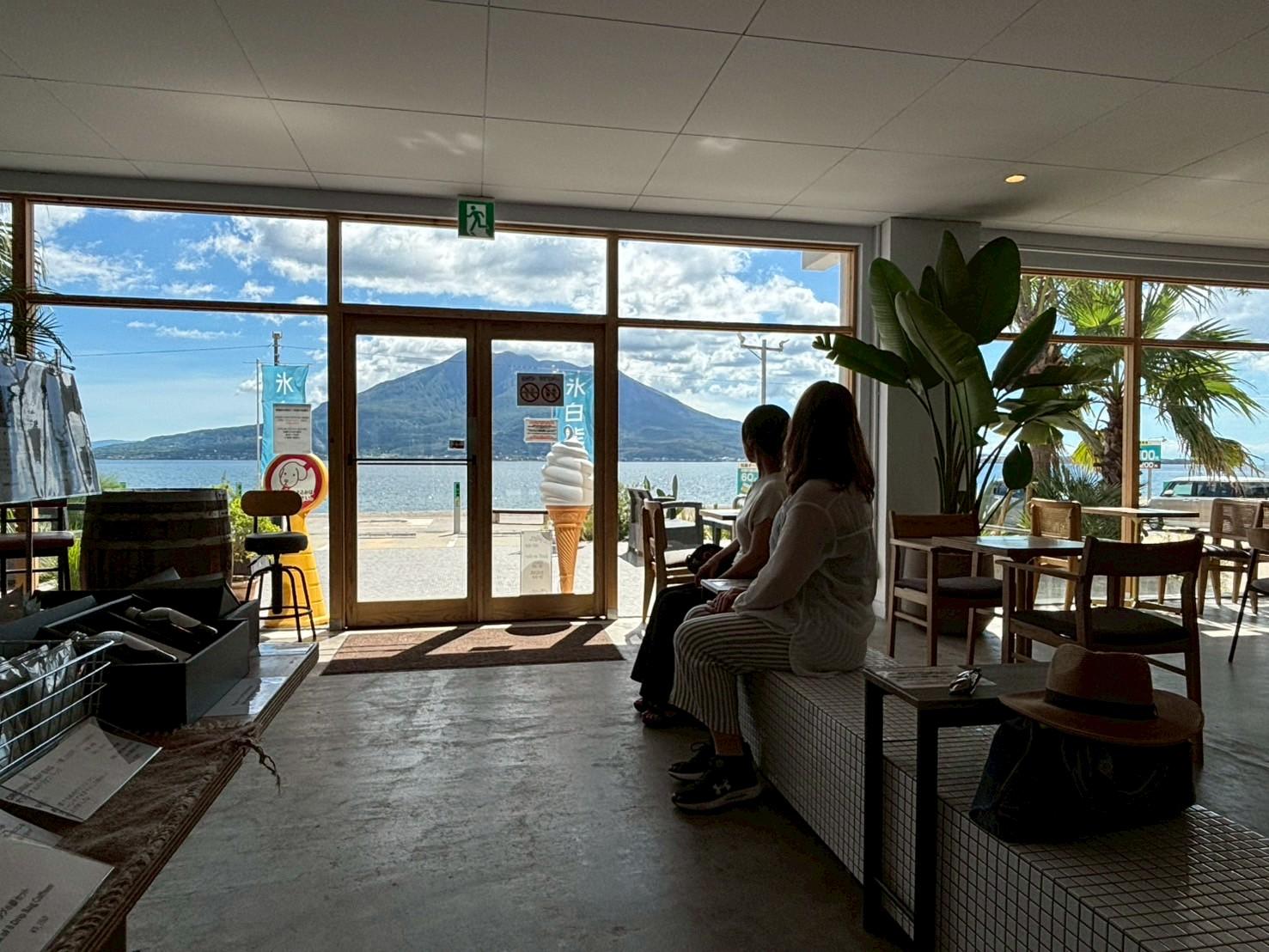
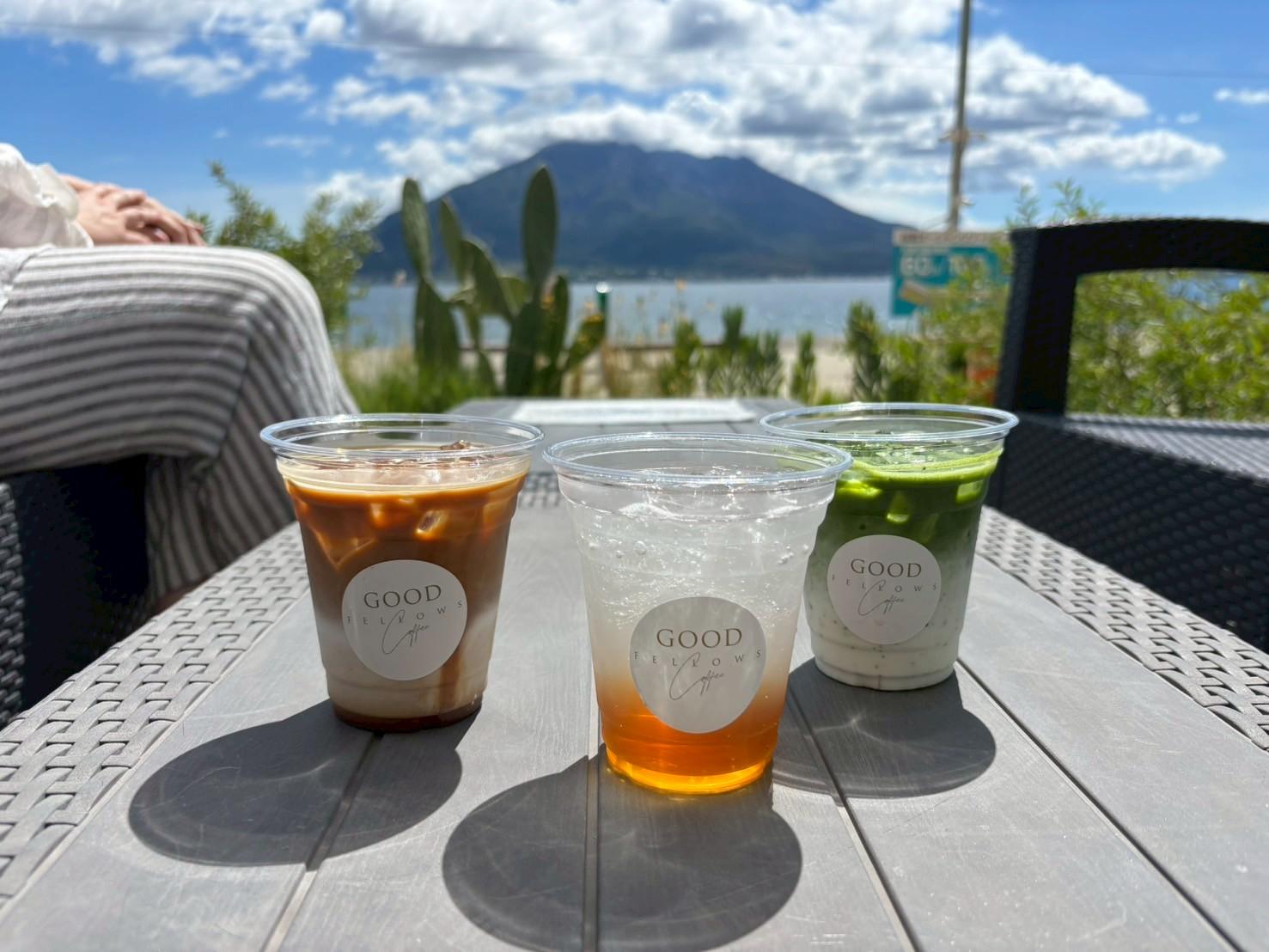
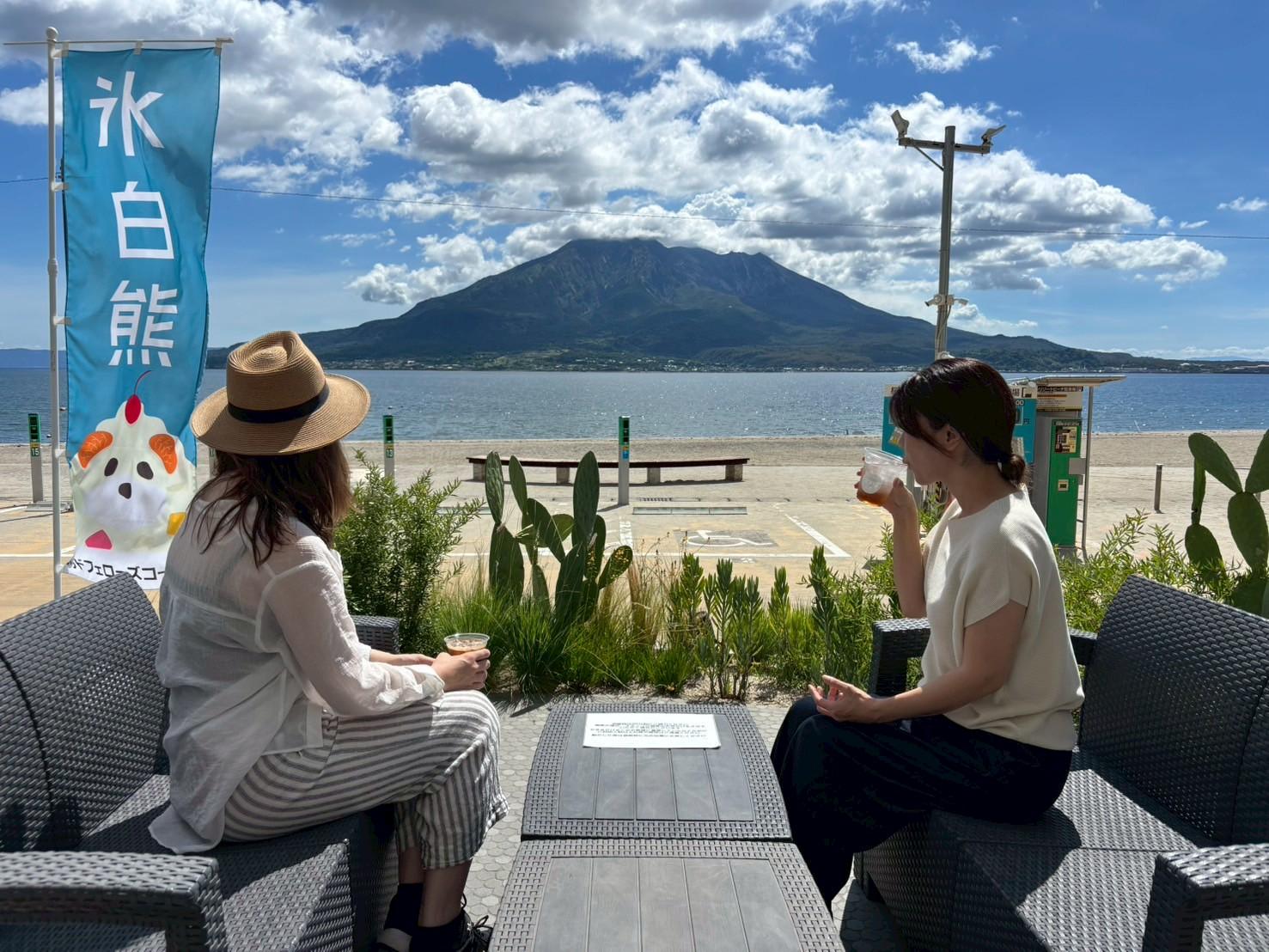
Leaving the station, it’s a short stroll along the coastline to Iso Beach, a pleasant strip of white sand offering expansive views of the volcano. Good Fellows Coffee on the shore offers favorites such as hot dogs, pancakes and signature drinks, including the locally inspired “volcano coffee,” which can be enjoyed in the spacious interior or the terrace facing Sakurajima.
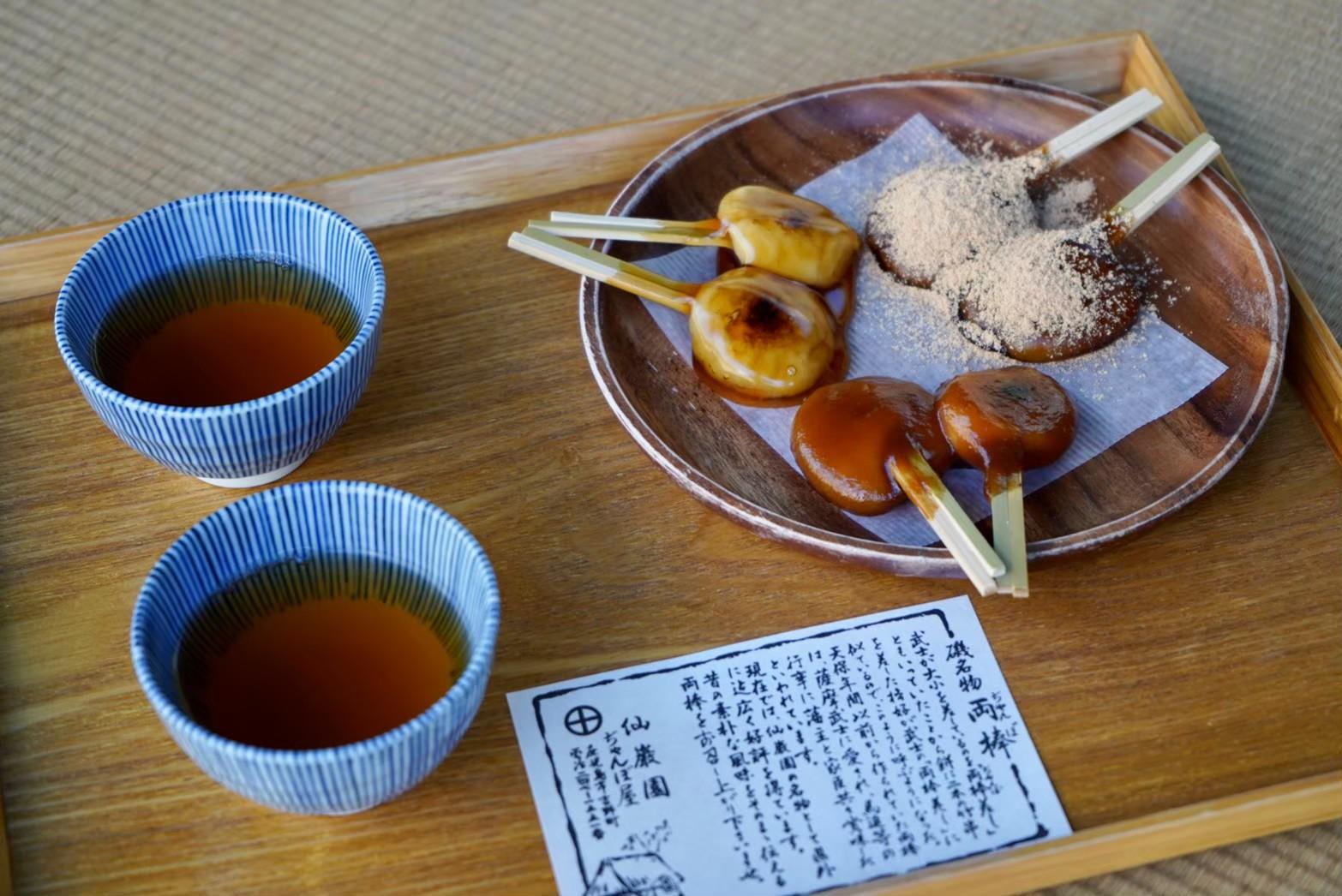
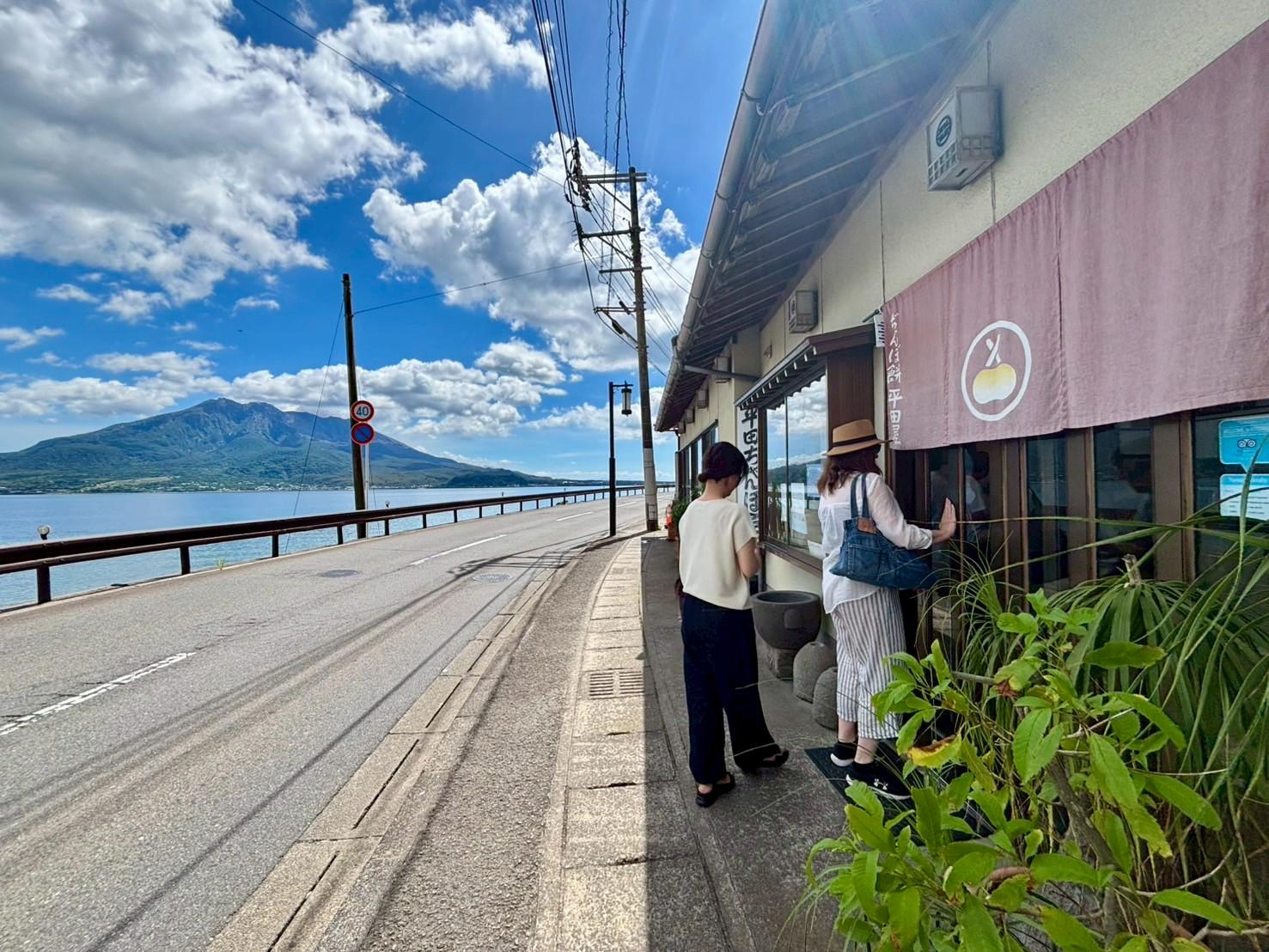
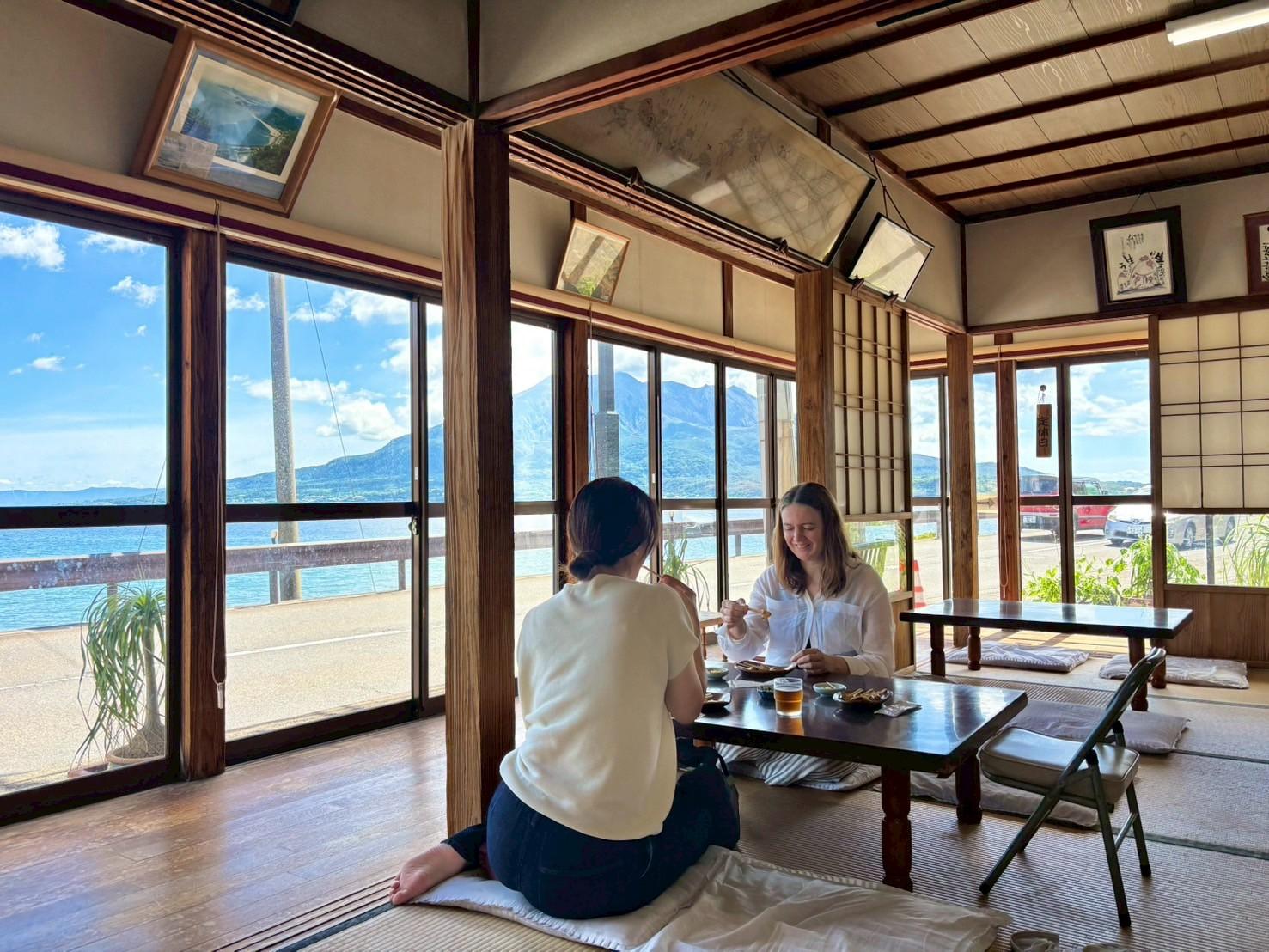
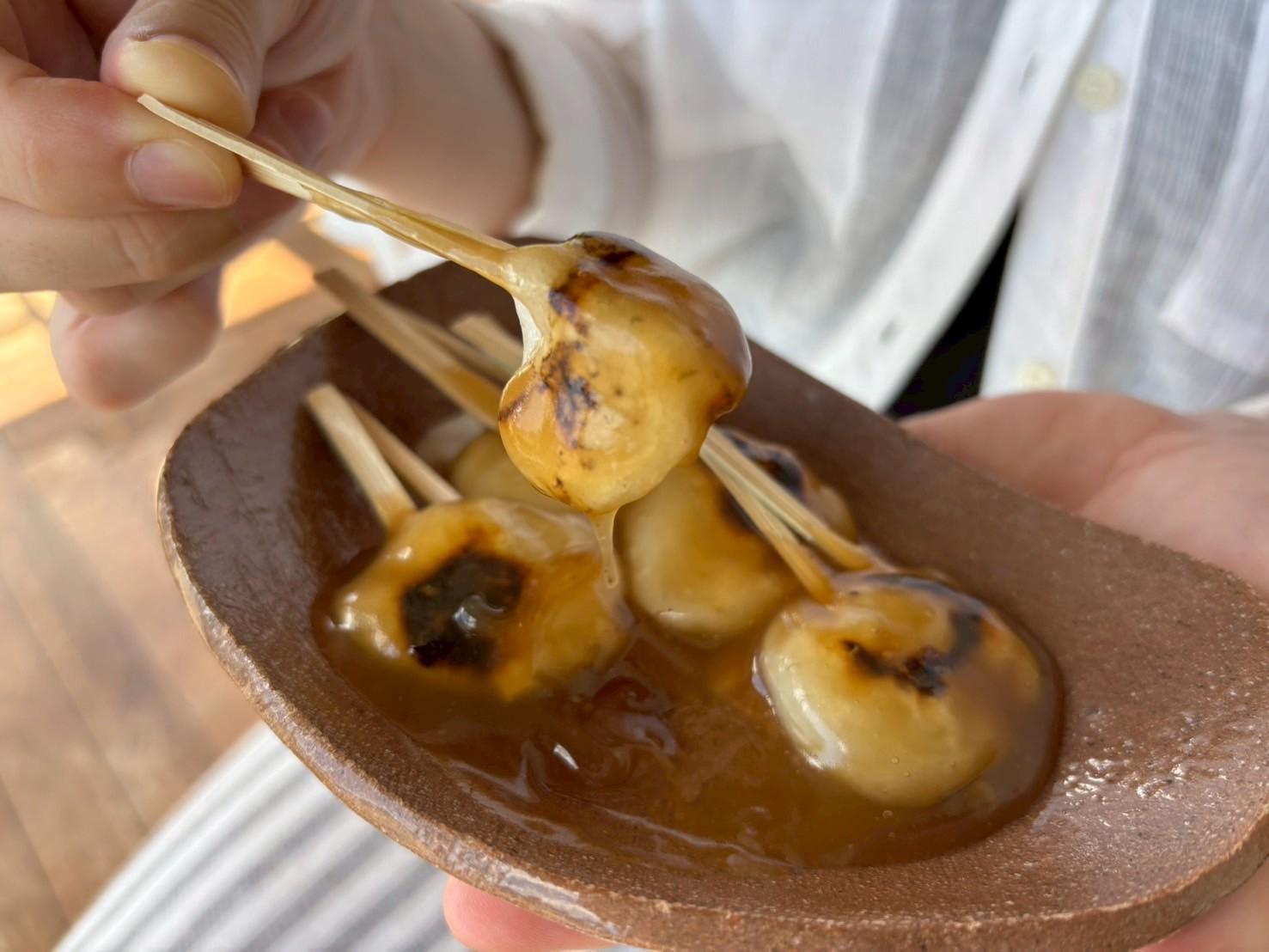
For a more traditional snack, walk a bit further along the road to one of the eateries specializing in jambo-mochi. These traditional rice cakes are made from steamed glutinous rice shaped into round form and lightly toasted on both sides. Each piece is then skewered with two bamboo sticks—a nod to the way samurai held their swords because jambo-mochi was once a popular snack for samurai traveling through the Iso area—before being dipped into sweet soy or miso glaze and served warm. At shops like Hirataya, visitors can indulge in this centuries-old snack while sitting on a tatami mat with an unobstructed view of the volcano and be almost transported to the days of the samurai.
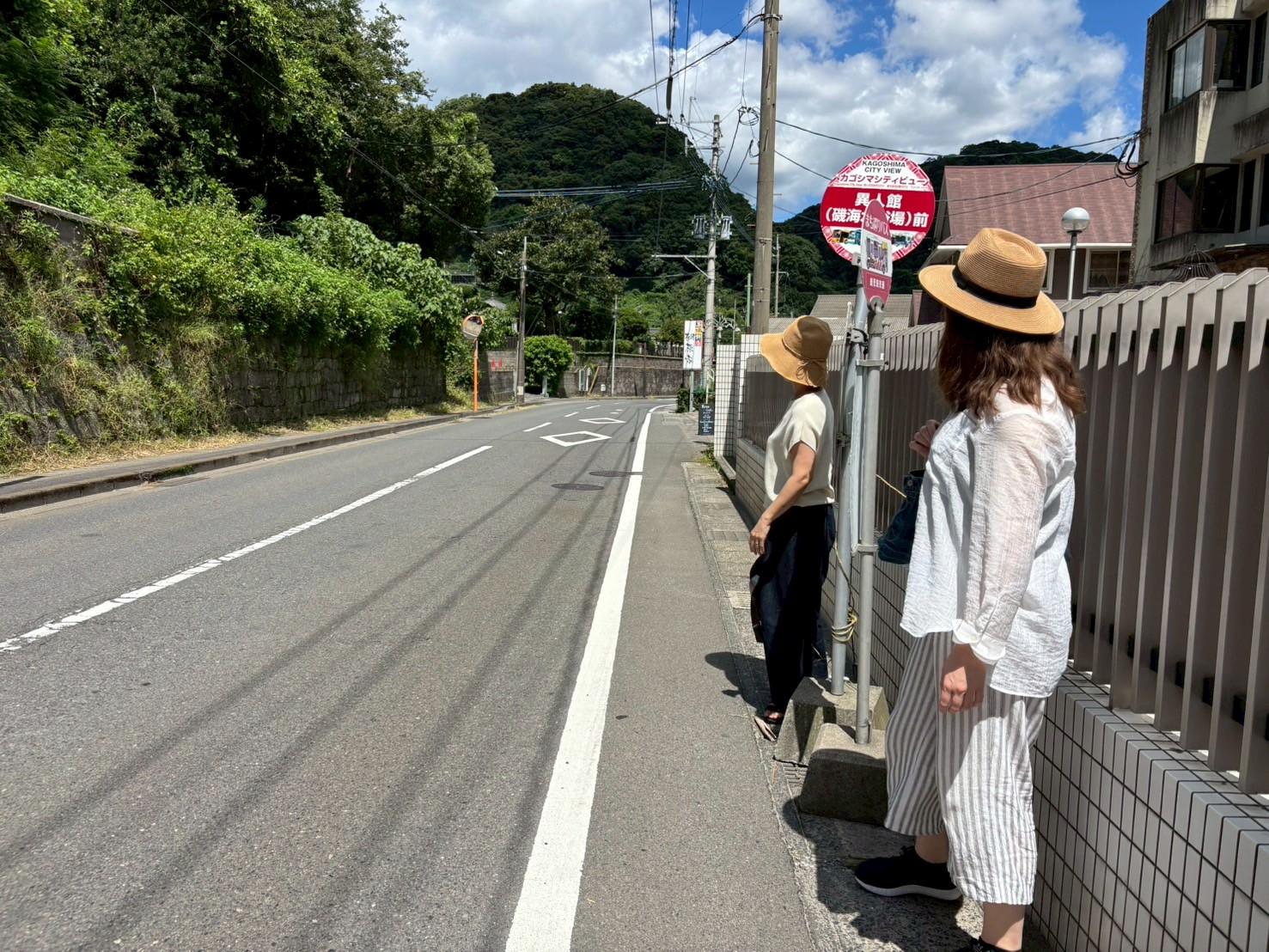
To ride the bus again, walk back towards Sengan-en Station and you’ll see the bus stop on the bay side of the road.
04| Arrive at Suizokukan-mae
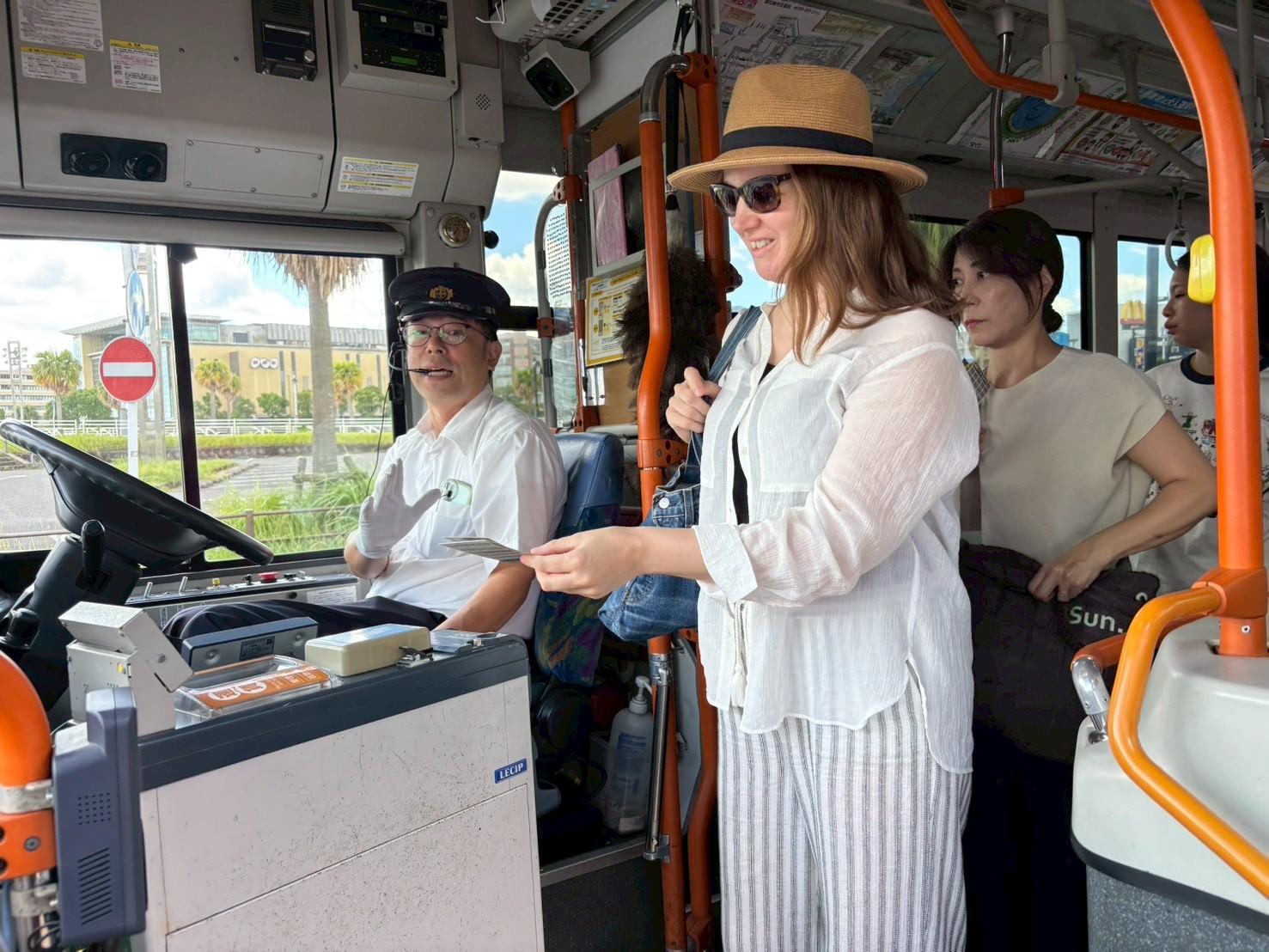
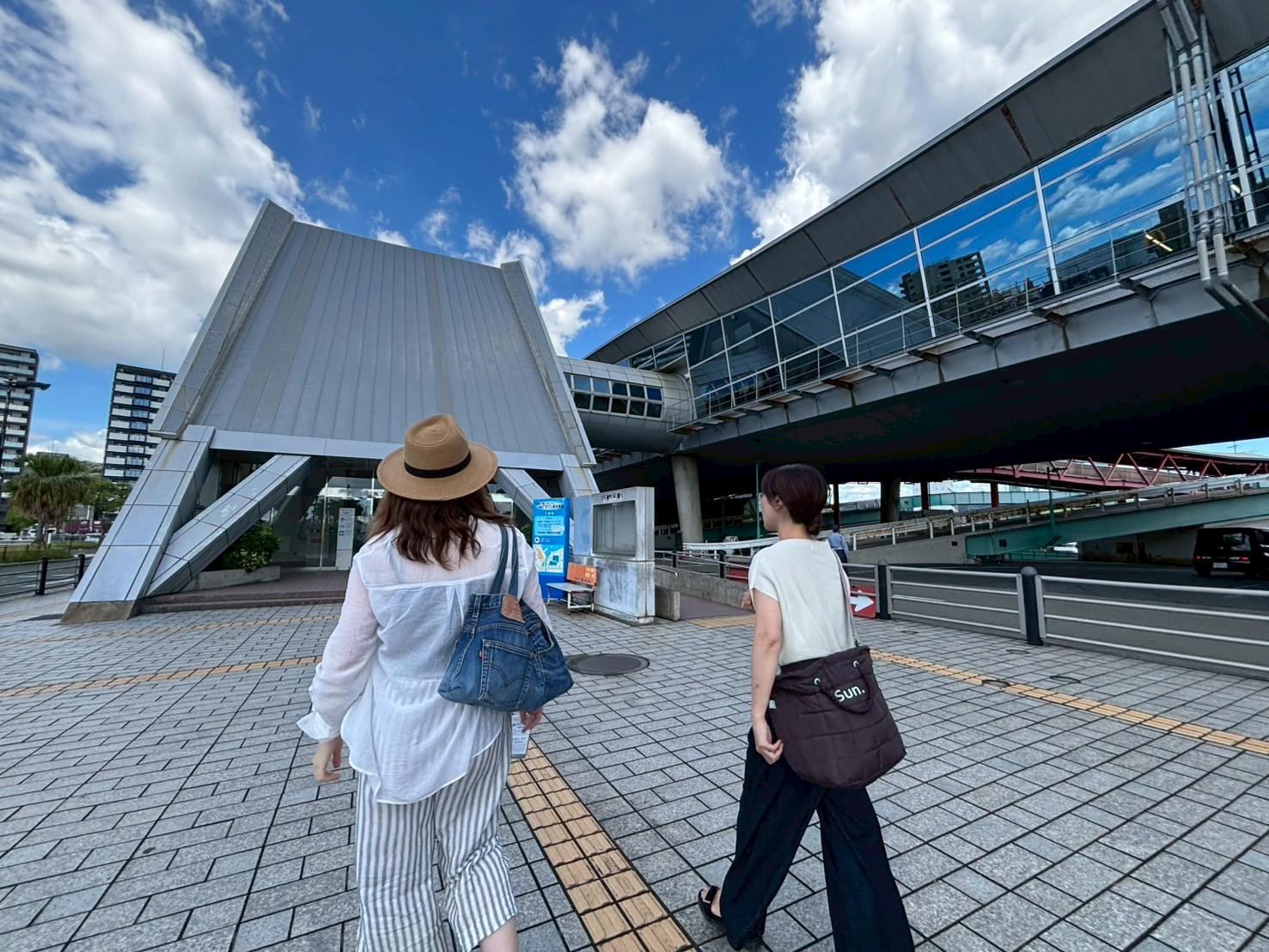
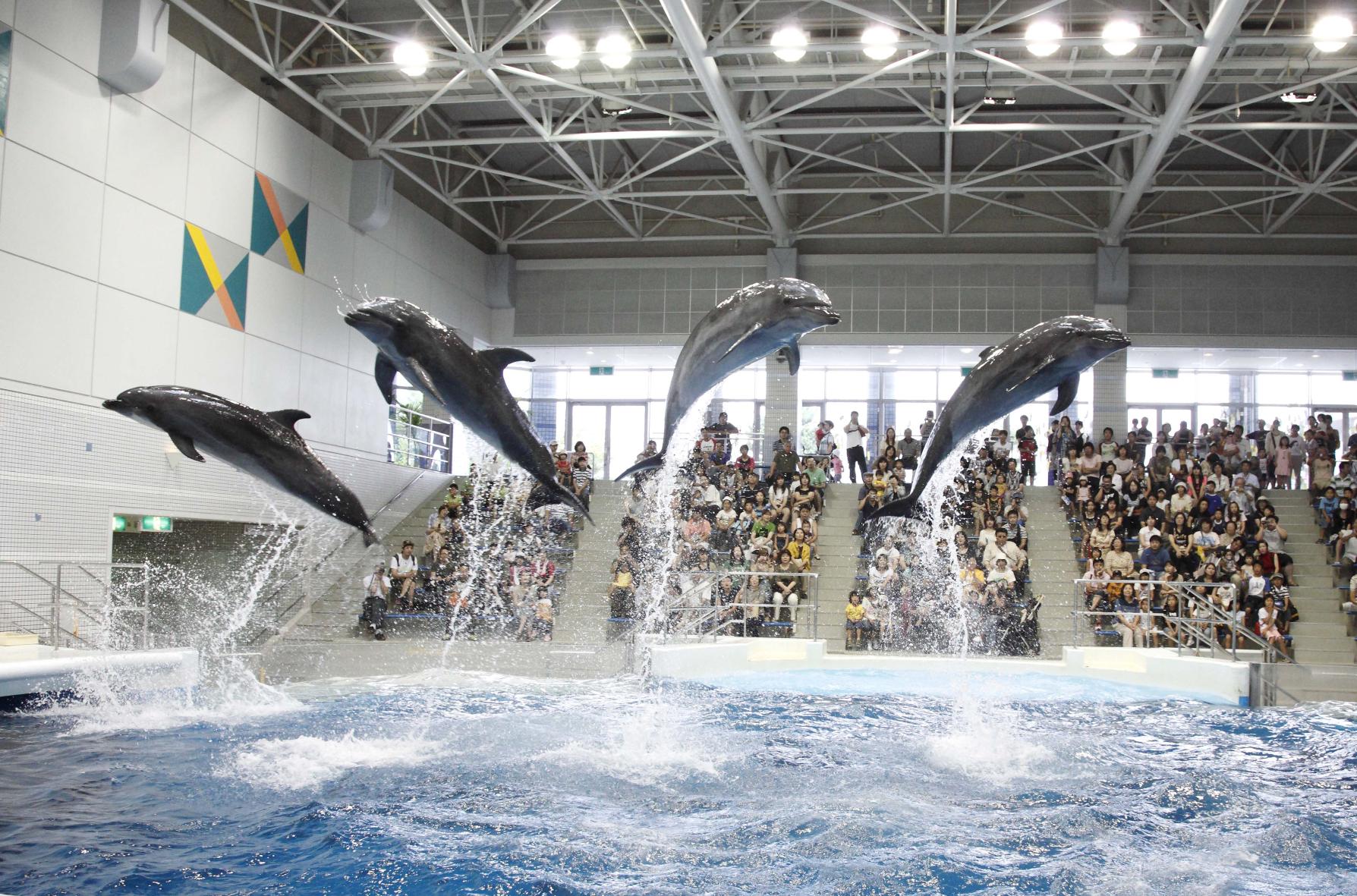
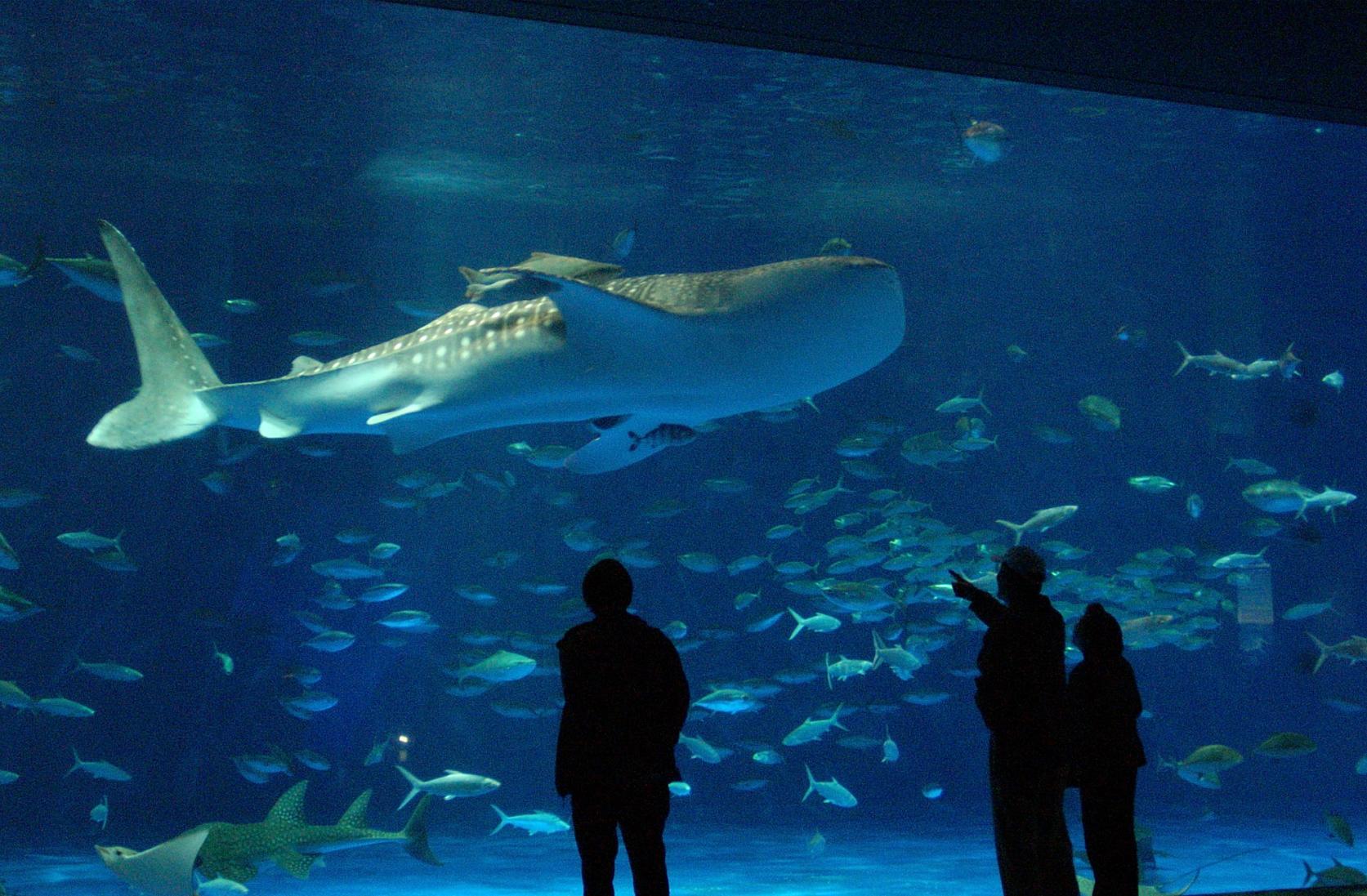
Now refreshed, hop on a bus to reach Suizokukan-mae, the stop in front of the Kagoshima City Aquarium (Io World). This popular facility is one of the largest aquariums in Kyushu and is a great attraction for learning about the marine environment. The surrounding harbor area is perfect for walking while soaking in the ocean breeze.
05| Sakurajima Ferry
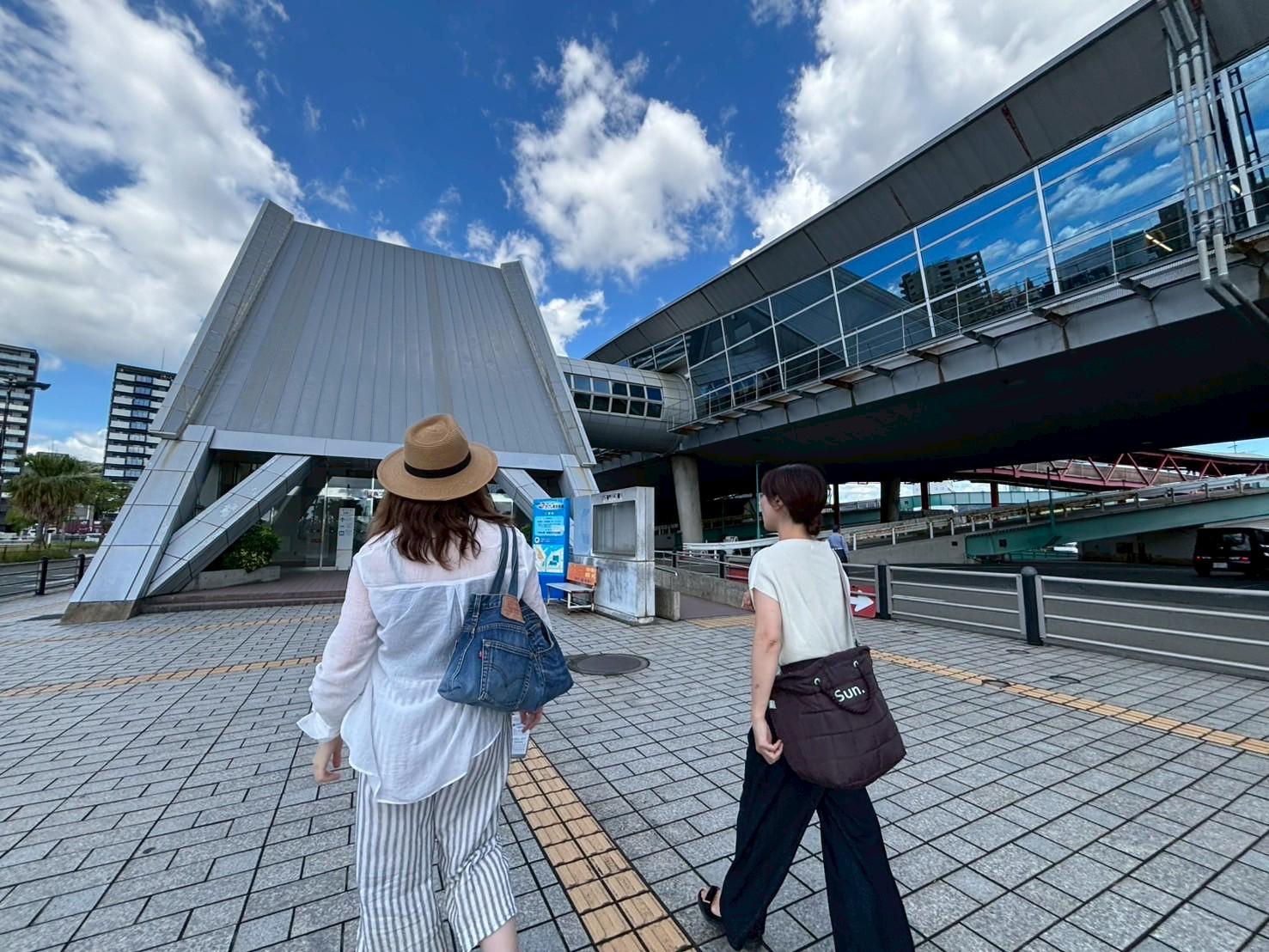
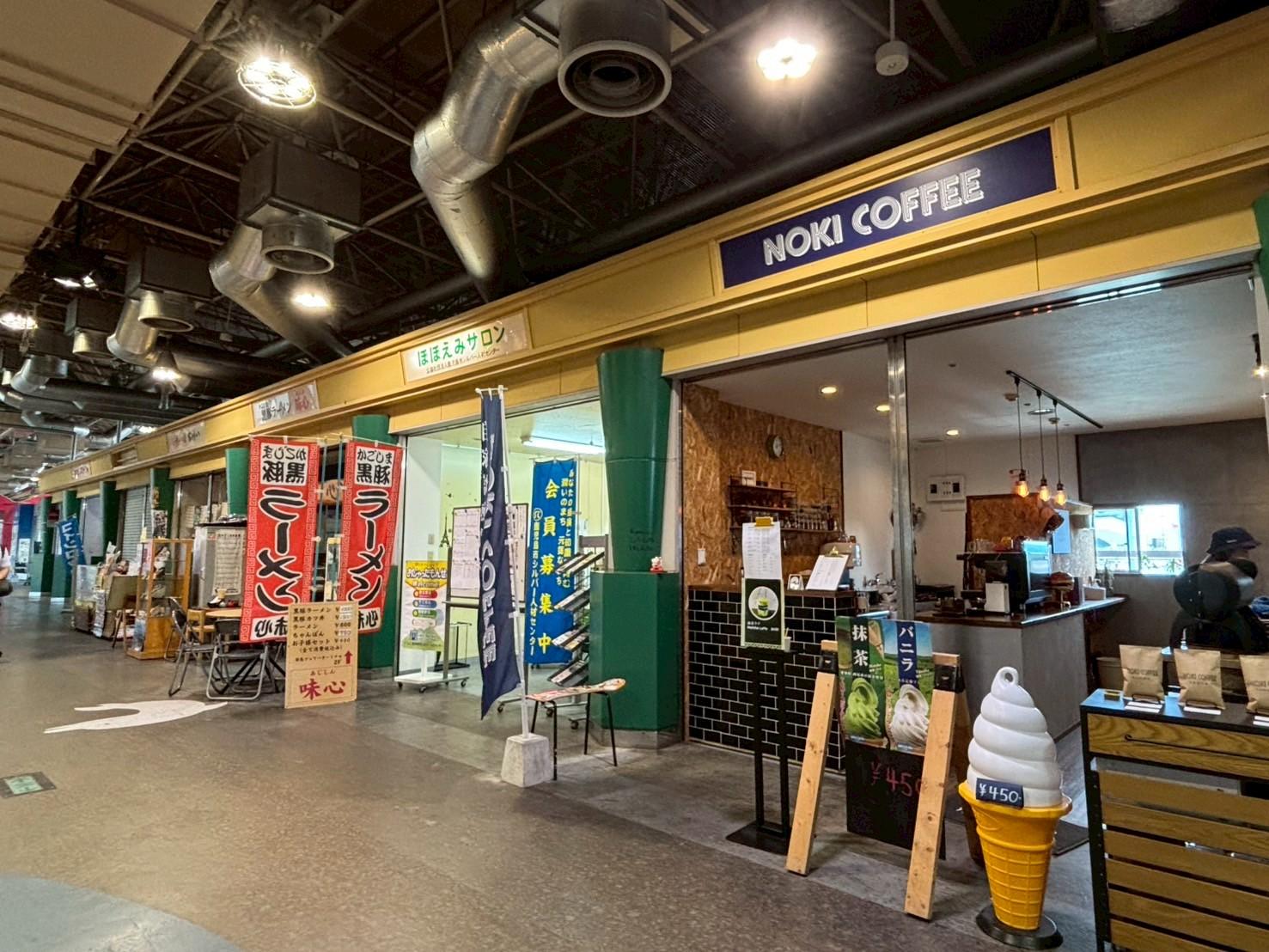
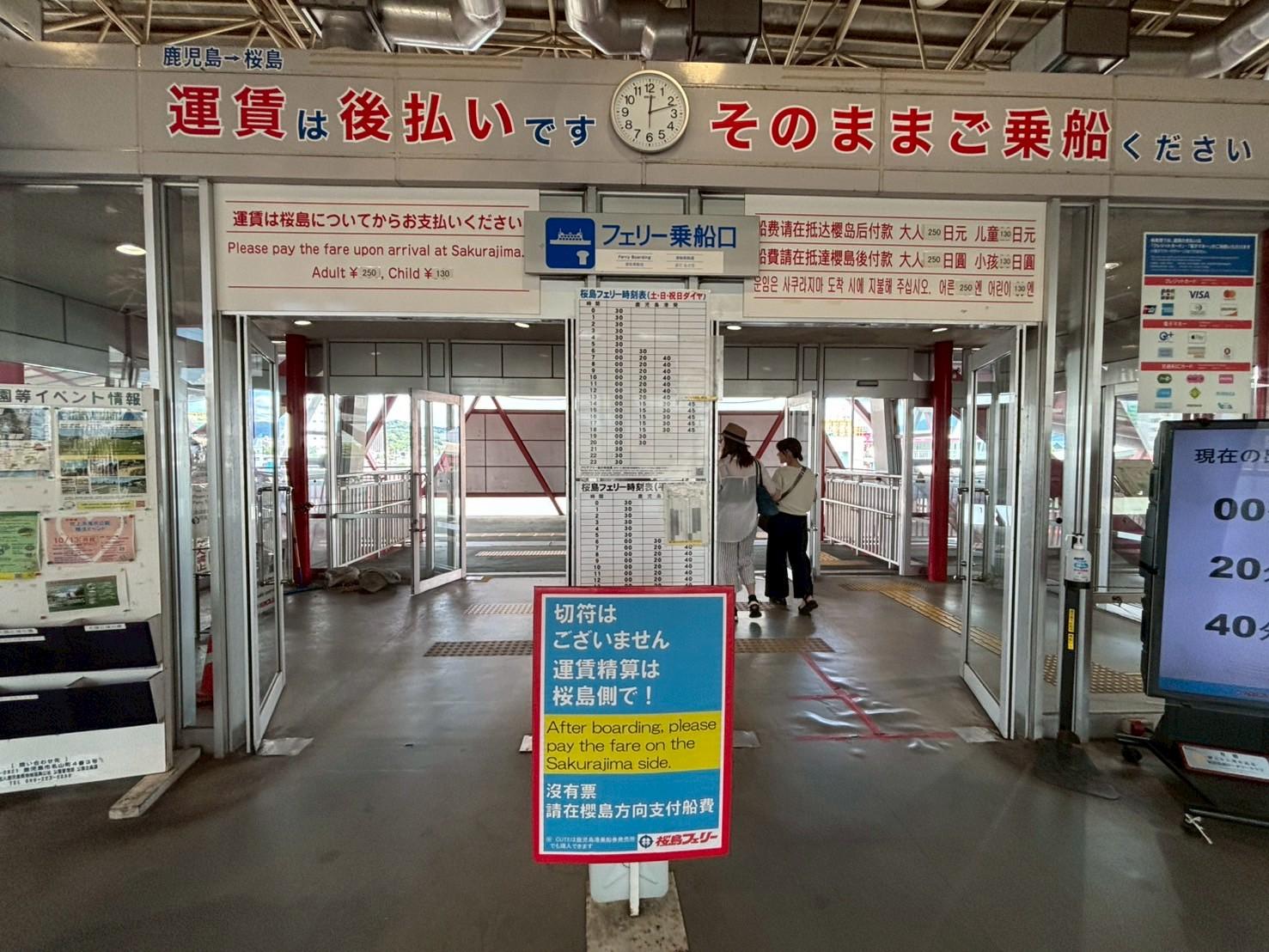
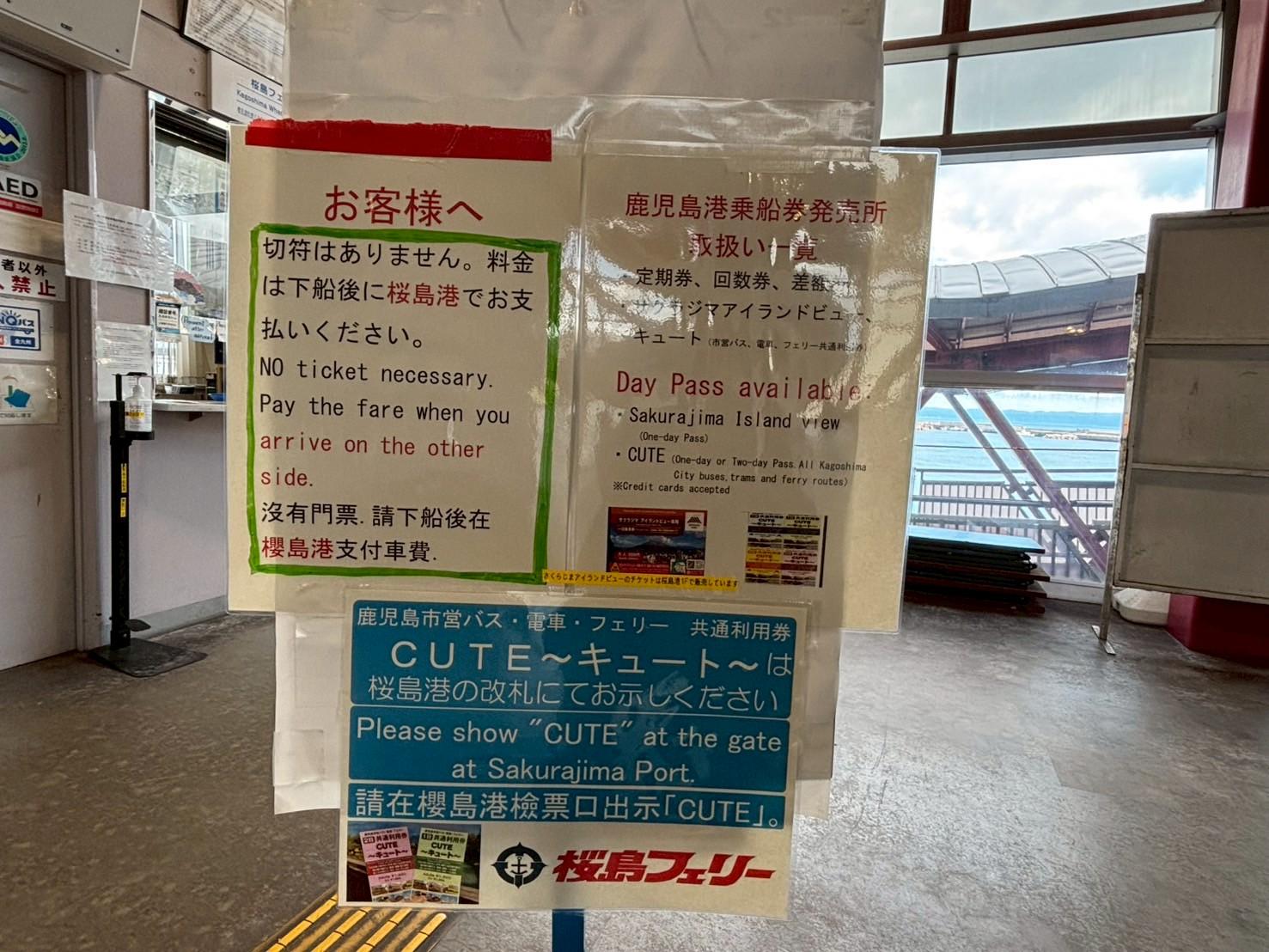
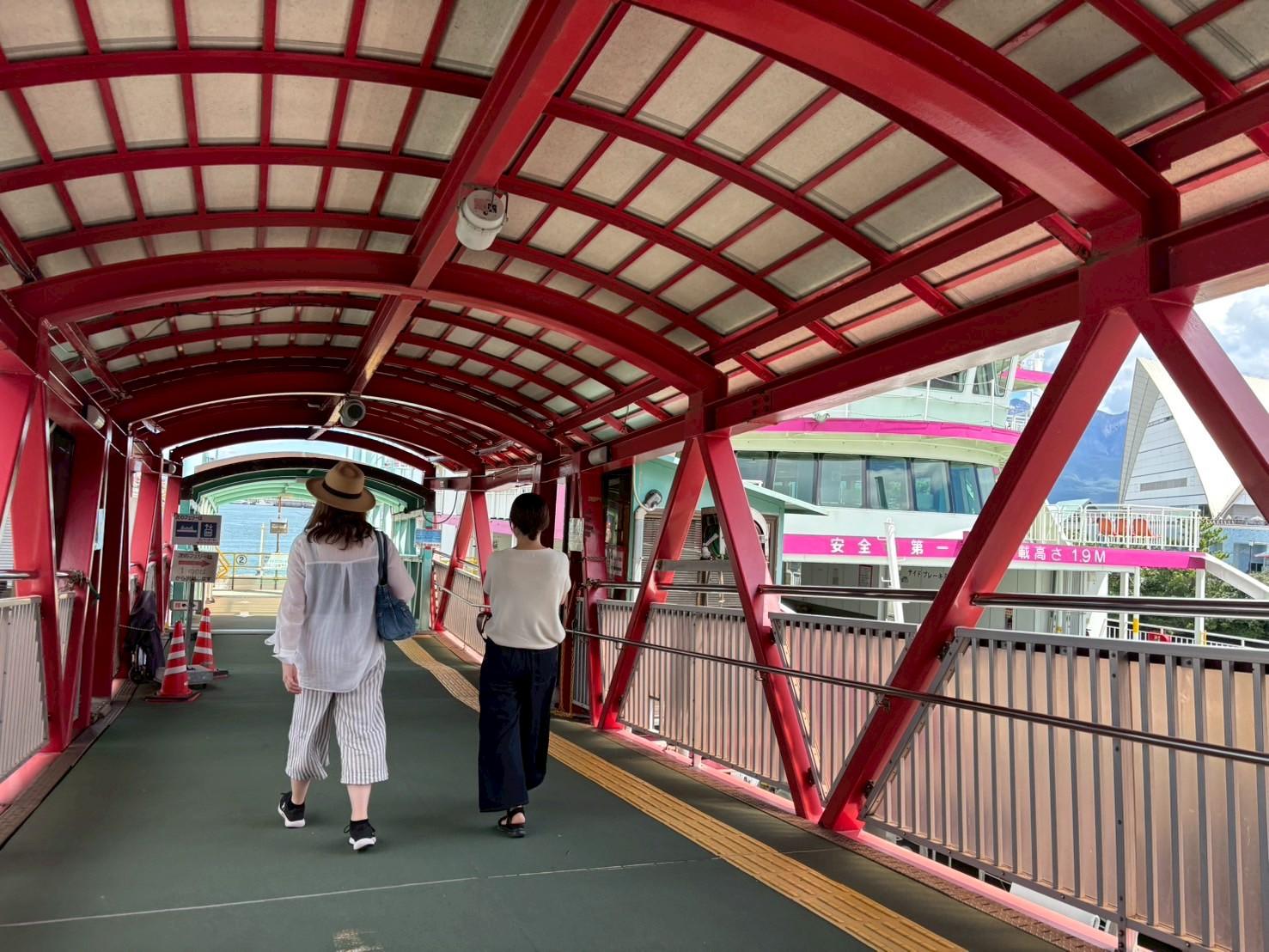
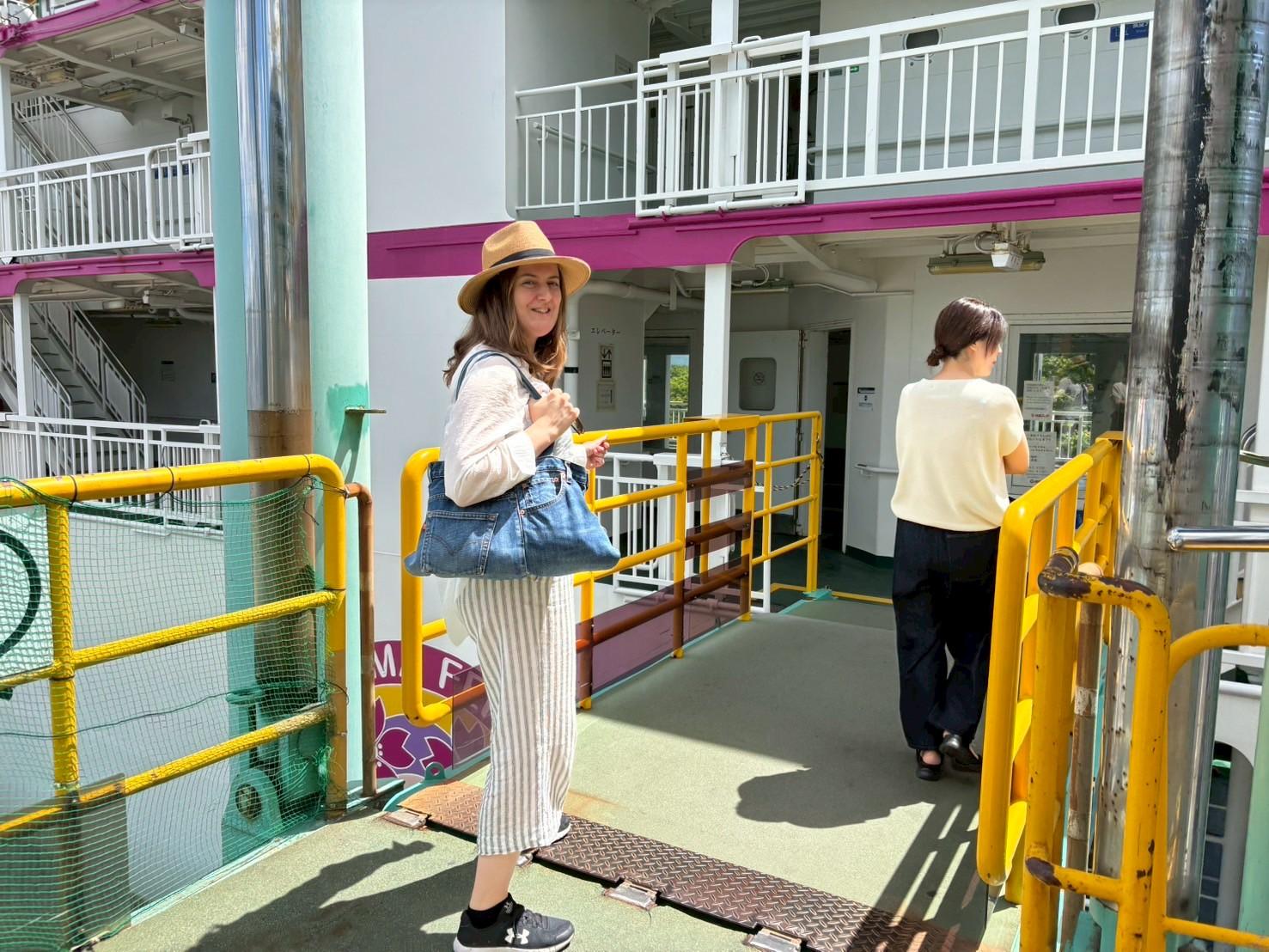
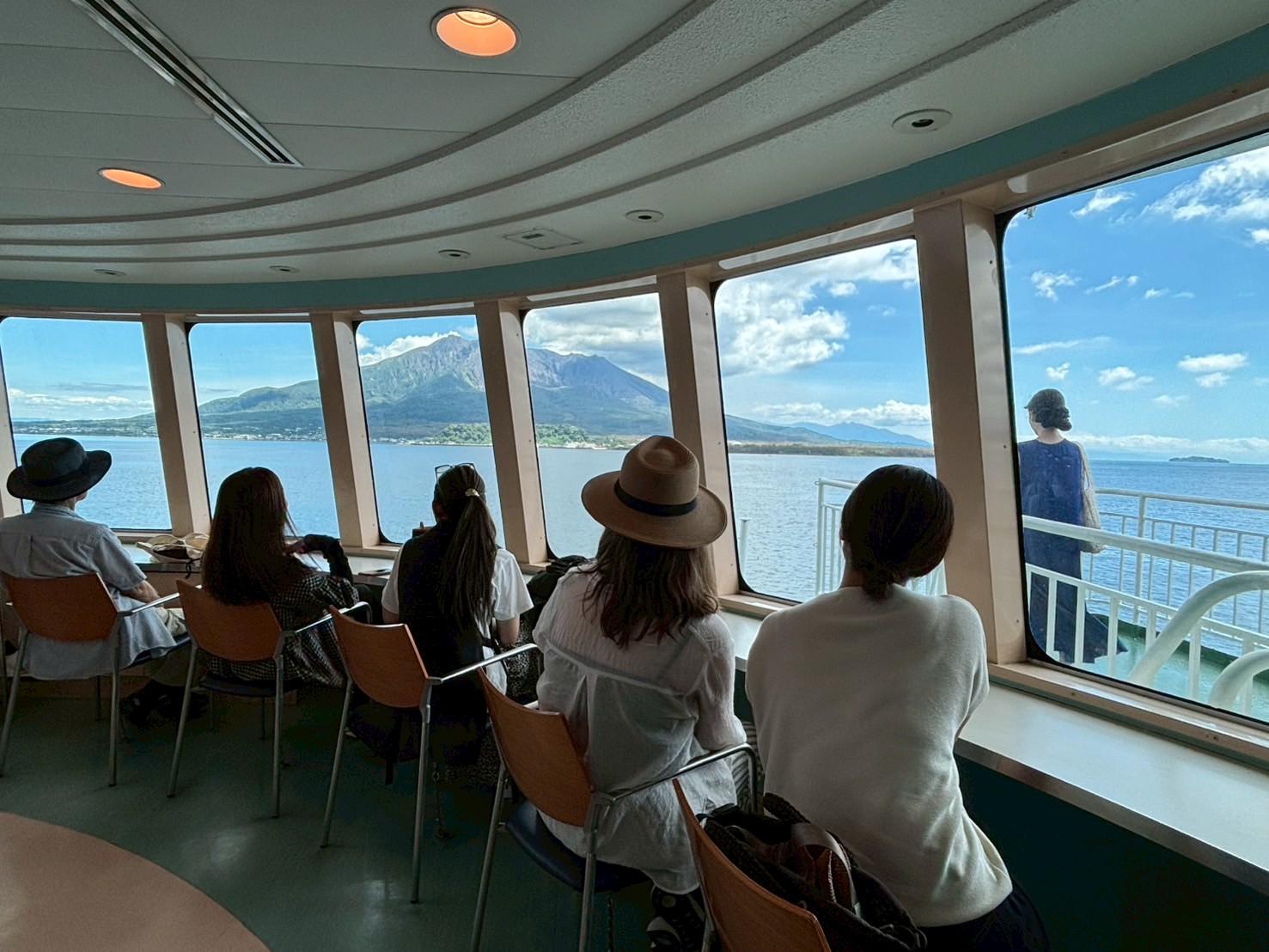
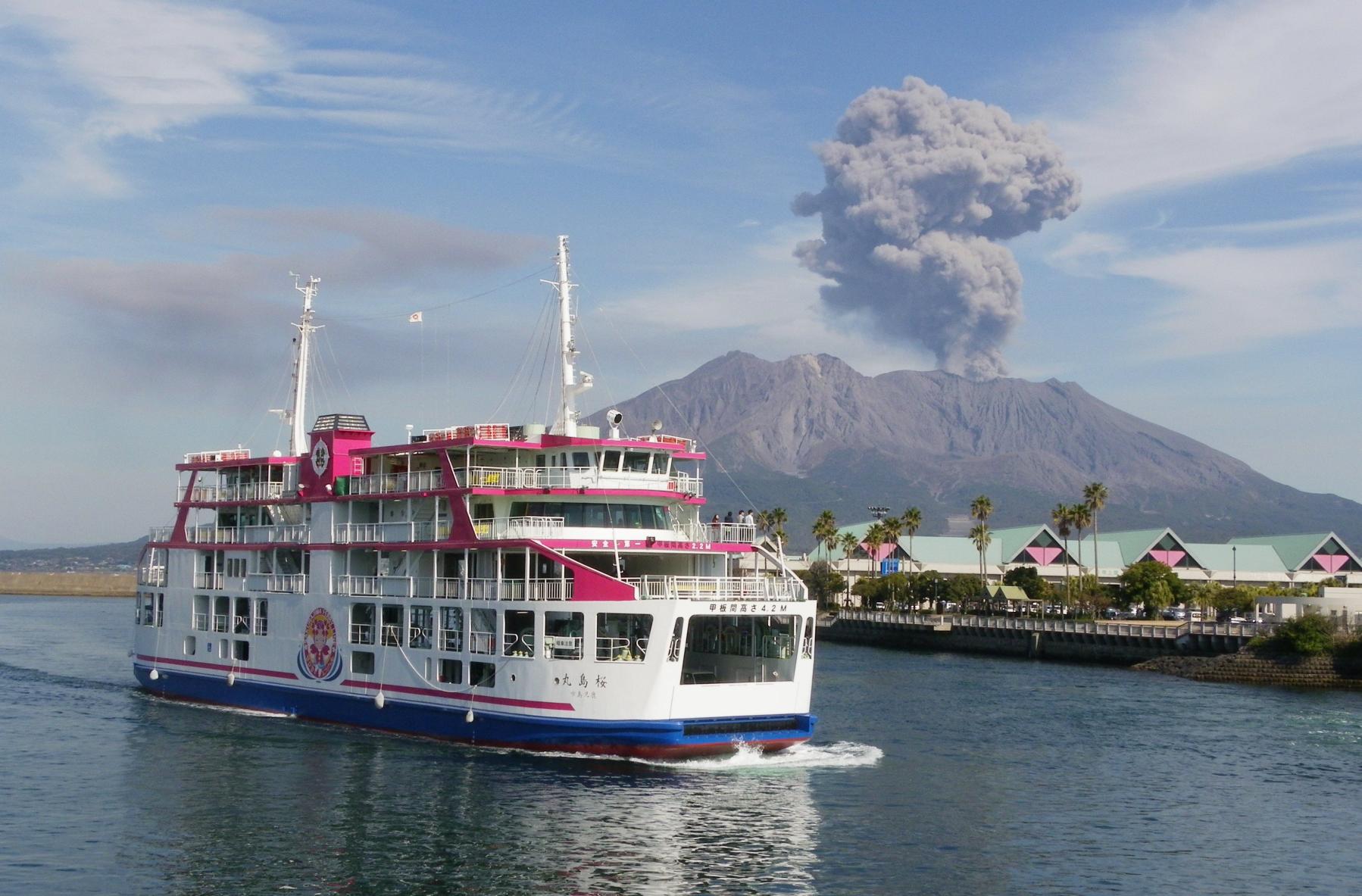
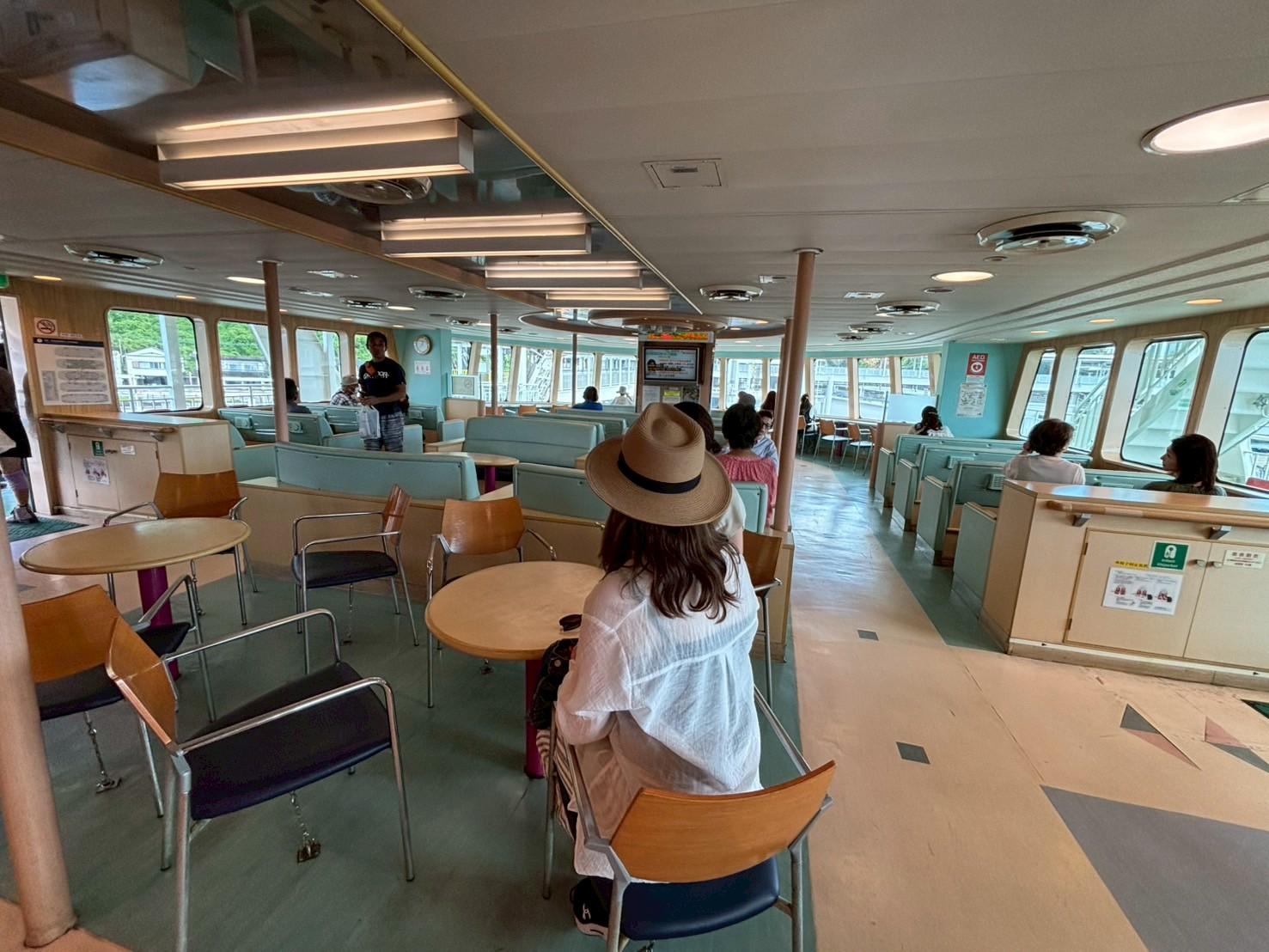
After your stroll, you can return to the bus stop. The building right in front of you is Sakurajima Ferry Terminal, home to a variety of shops and restaurants, as well as ferries that depart for Sakurajima every 15–20 minutes during the day. As the CUTE Pass includes ferry access, simply board the next available vessel. (Visitors do not have to show the pass as passengers who pay fares do so only at the Sakurajima side.)
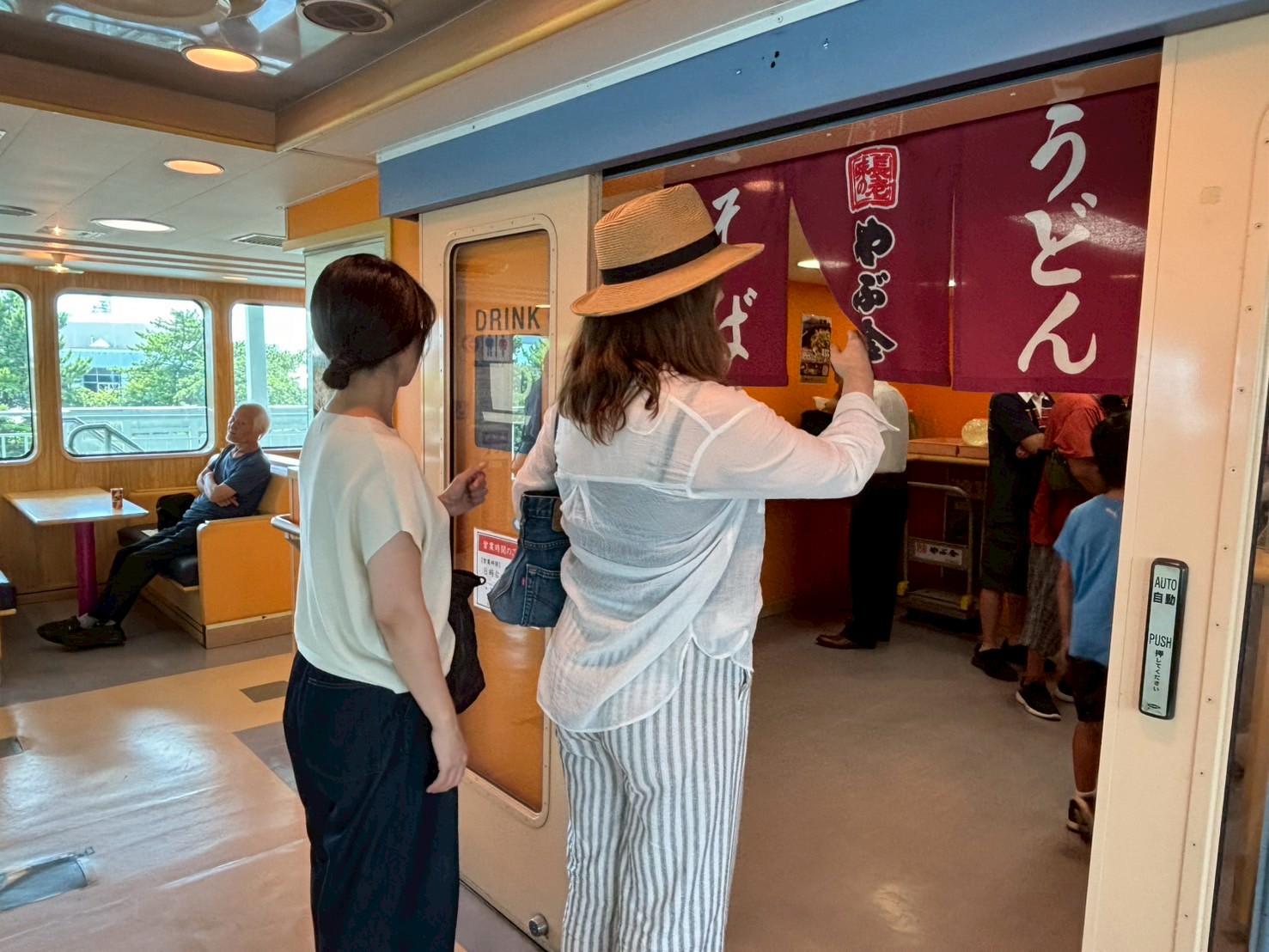
Once onboard, step outside onto the deck for optimal views of the seascape. Inside the cabin, there is a small shop serving udon and soba: warm noodle dishes that have become a beloved part of the 15-minute ferry crossing for many local people. For gourmands seeking unique Kagoshima food experiences, enjoying one of these noodle dishes as Sakurajima draws closer is a delight.
Discovering Sakurajima
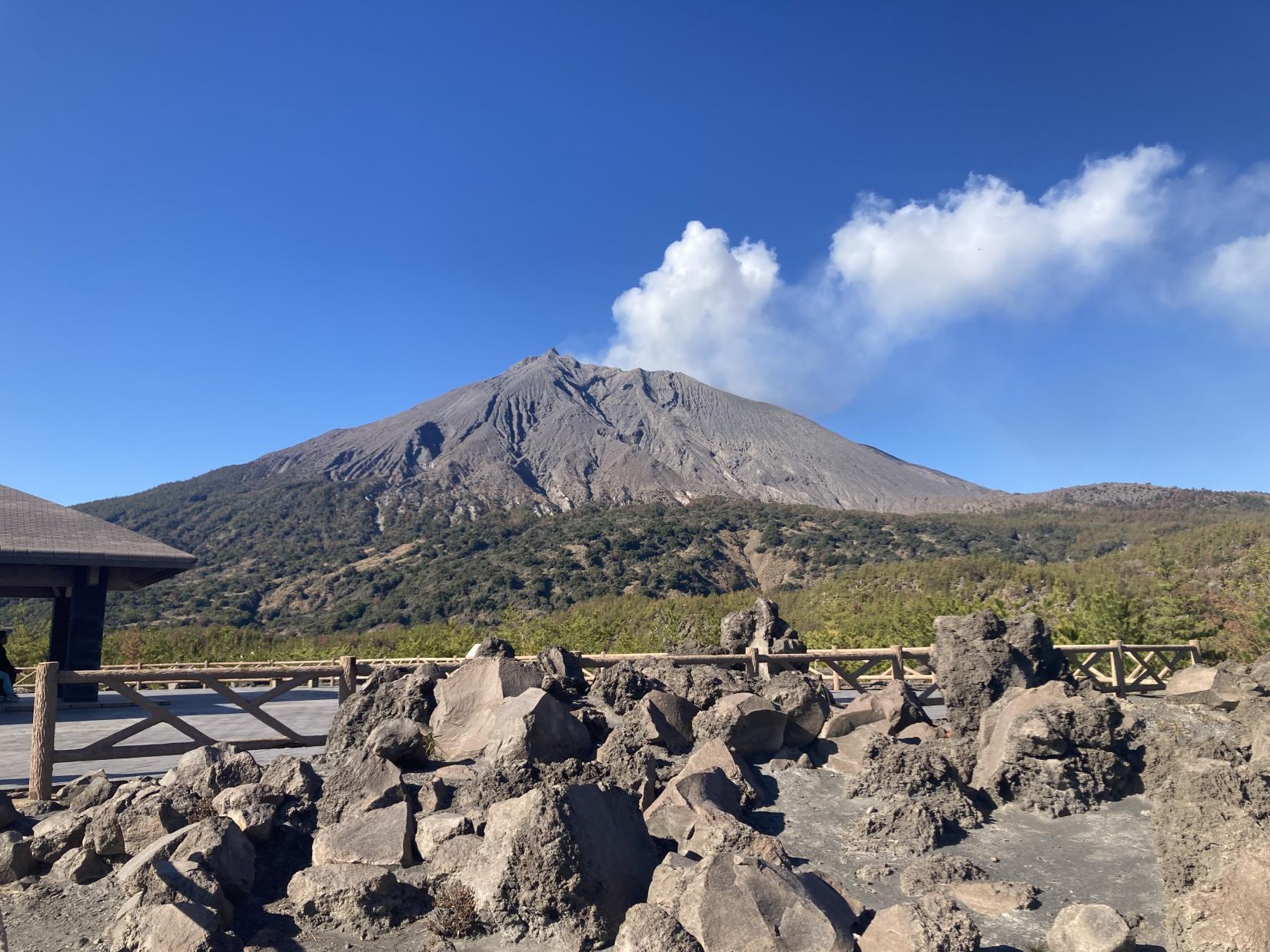
A symbol of Kagoshima Prefecture, Sakurajima is one of Japan’s most active volcanoes, spewing smoke or ash on an almost daily basis. In its prominent location on the edge of Kinko Bay, just 4 kilometers by ferry from Kagoshima City, it is a stunning landmark from various spots, but is most impressive close up.
Sakurajima06| Sakurajima Port
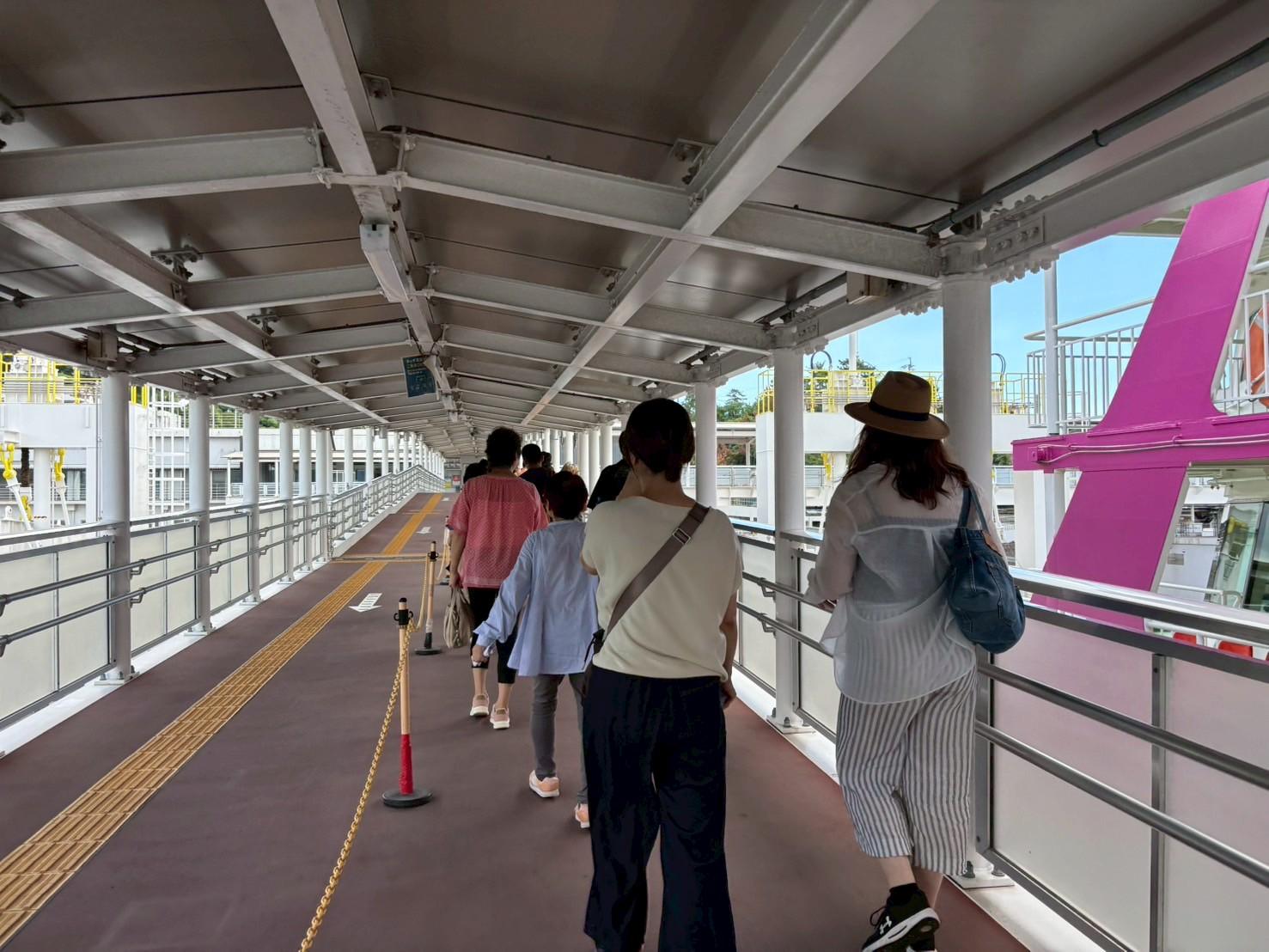
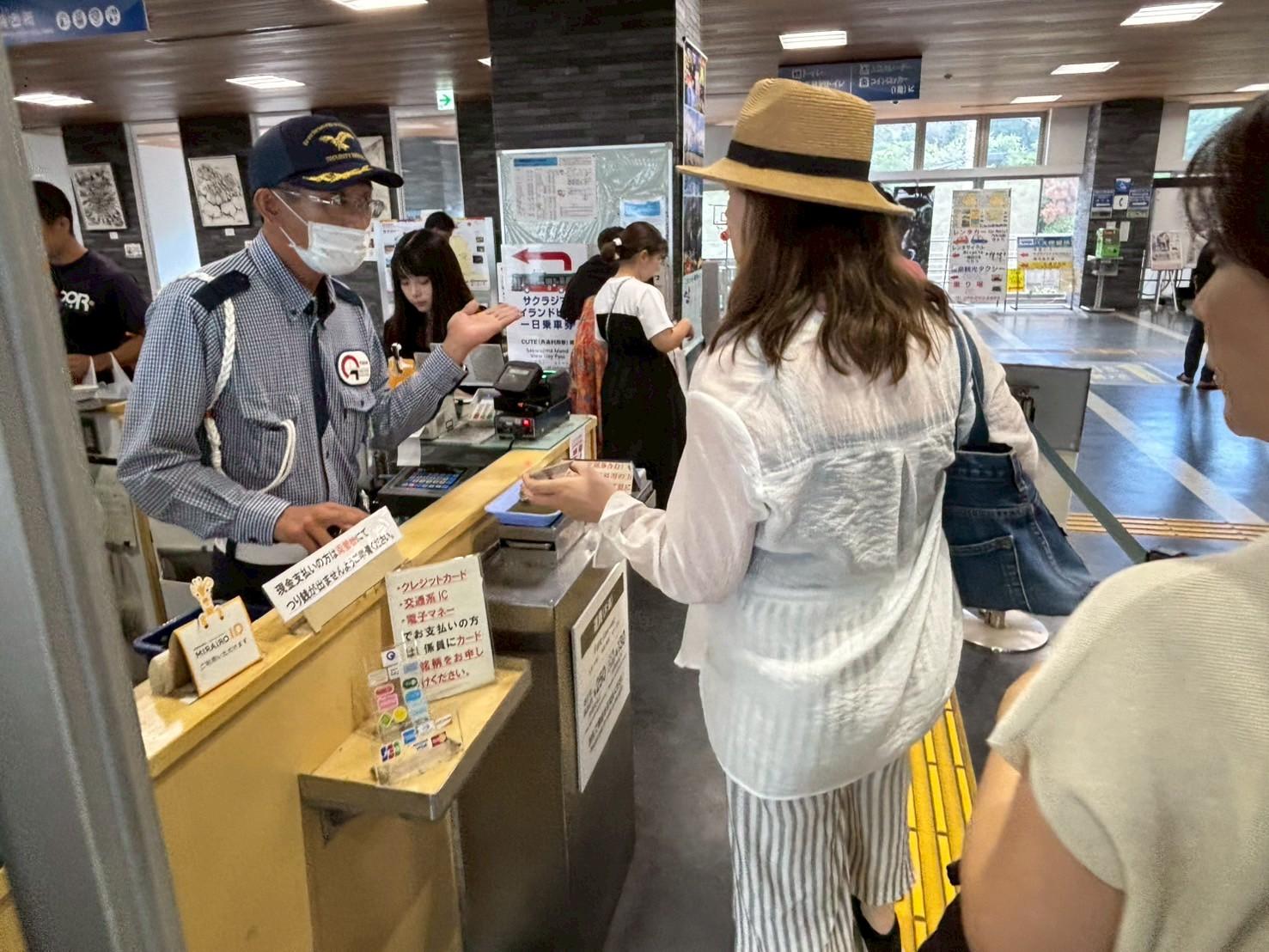
On arrival, visitors will spot the Tourist Information Center offering advice and leaflets about how to enjoy Sakurajima.
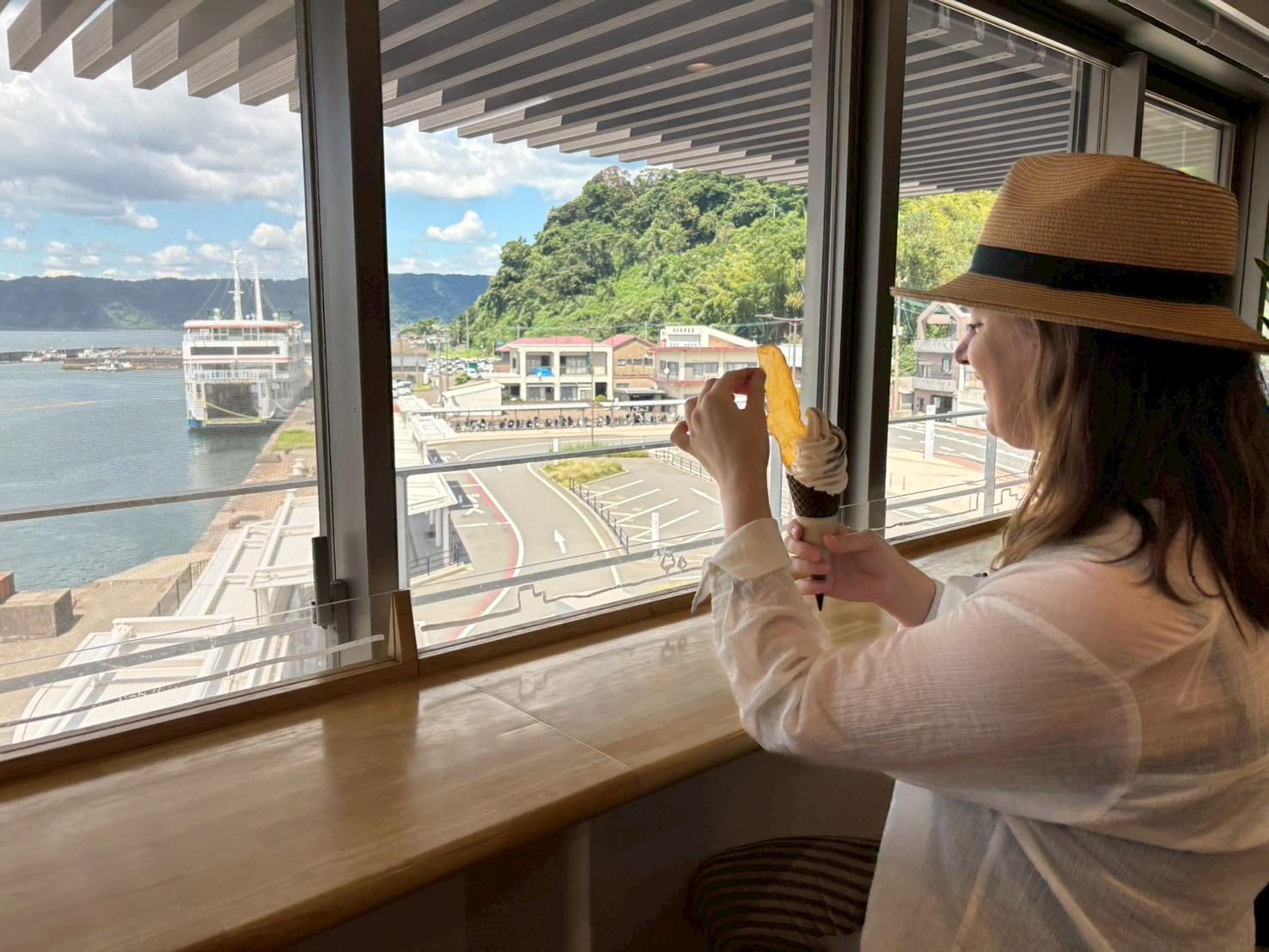
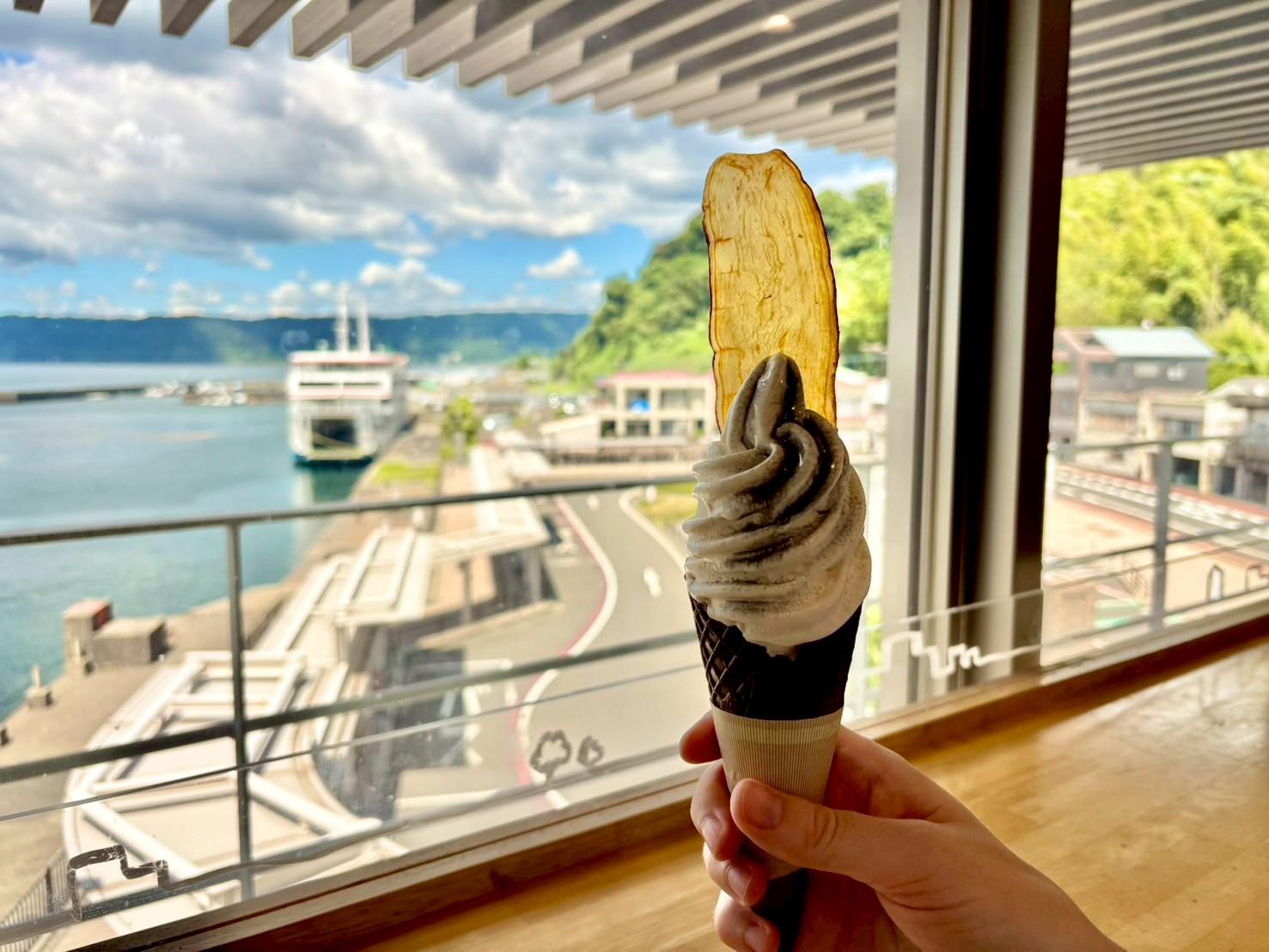
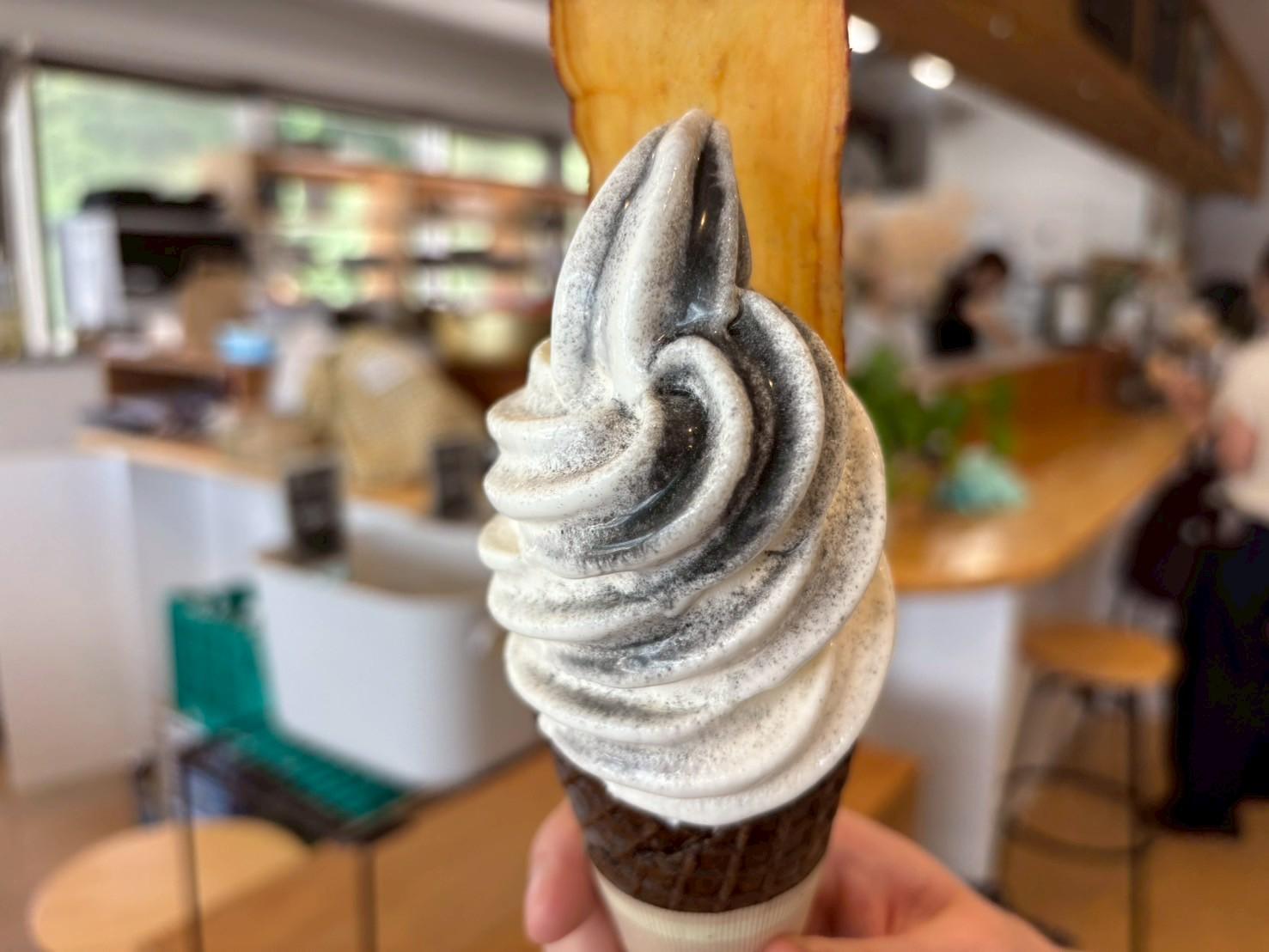
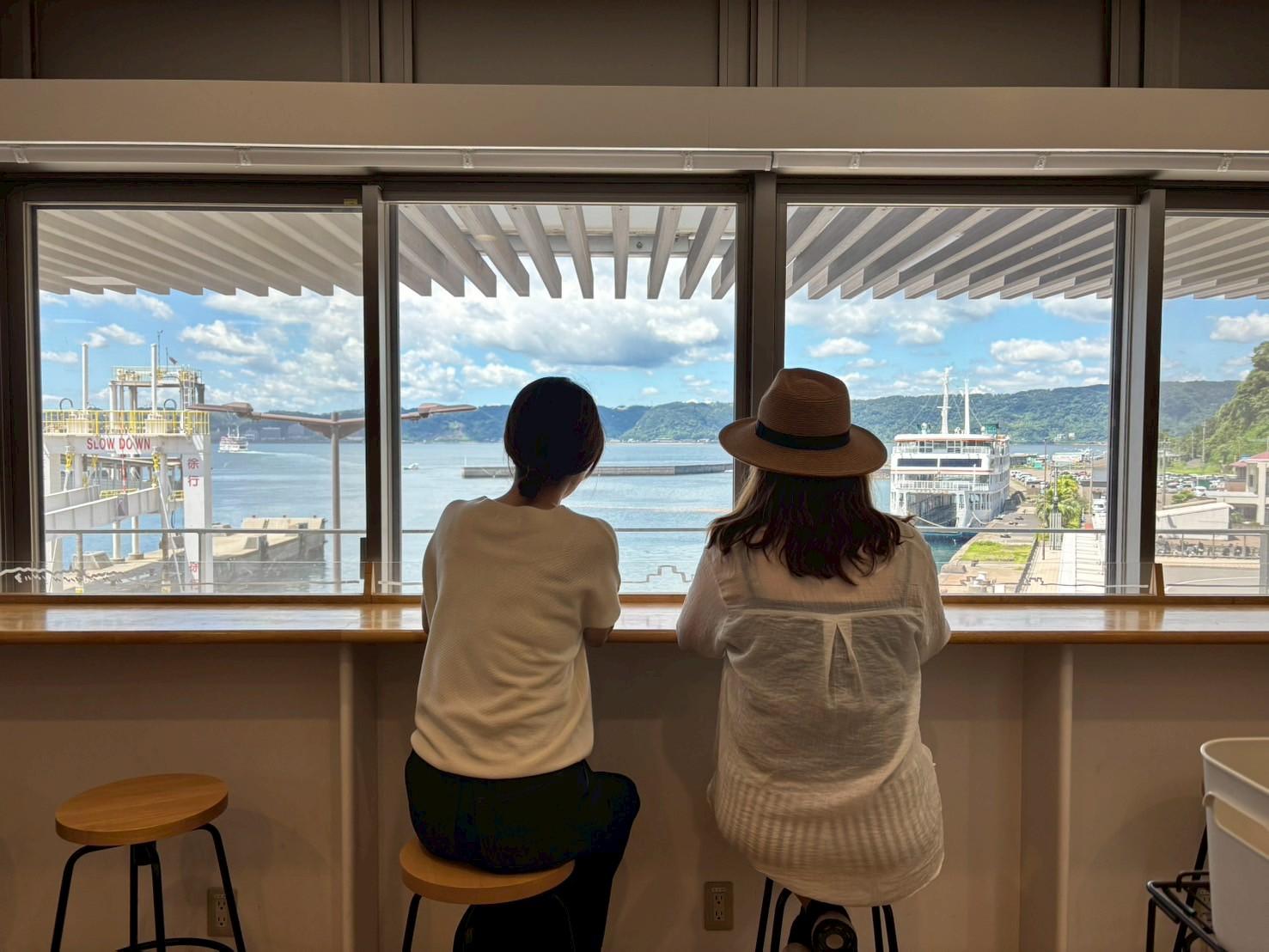
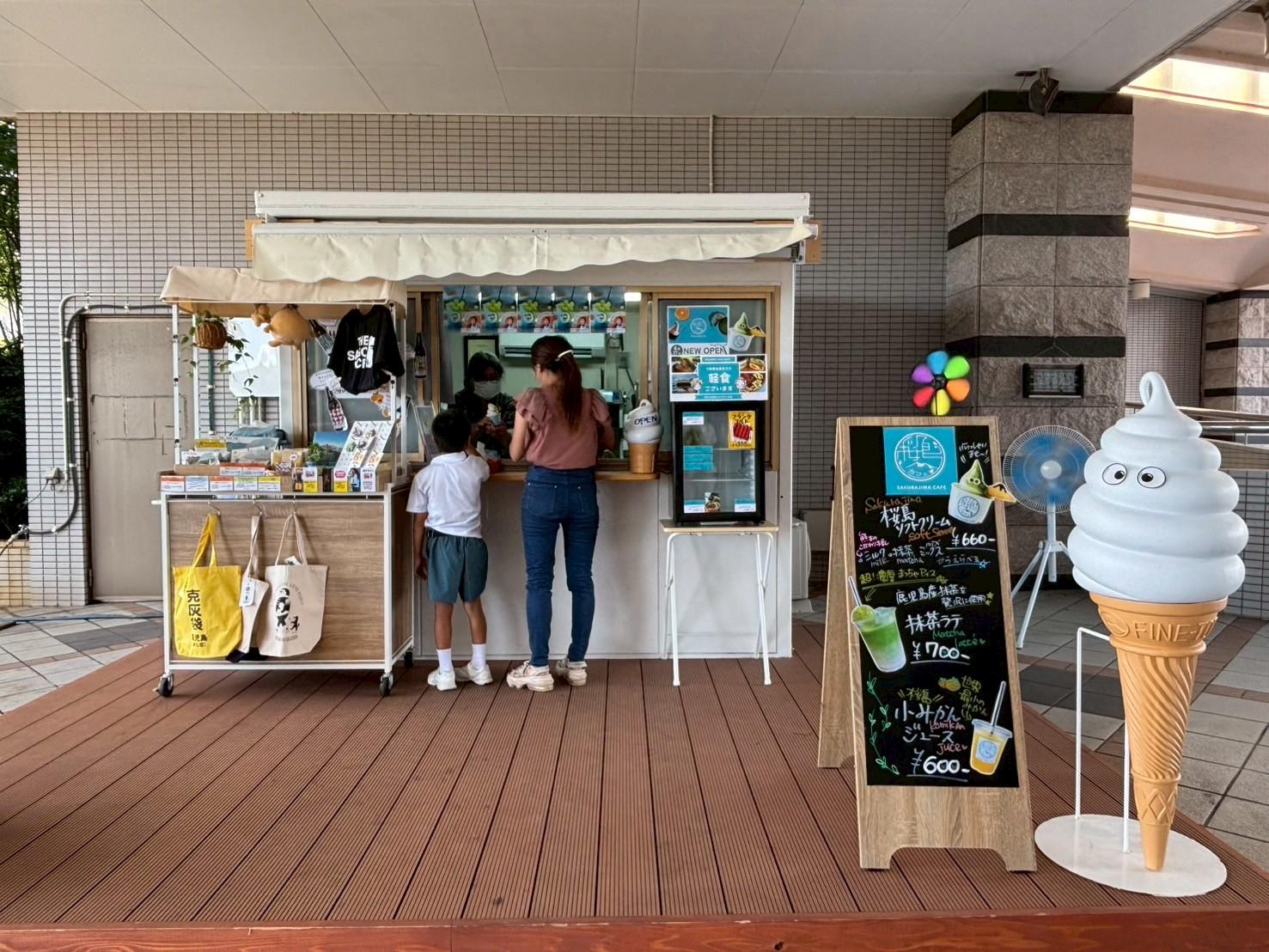
Before setting off from the terminal, check out the modern and airy Minato Café. Its most popular item, “ash soft serve,” comprises vanilla ice cream dusted with bamboo charcoal—creating the look of the volcanic ash that occasionally spews from Sakurajima and falls across the area—and garnished with a sliver of roasted sweet potato, a local staple. Against the backdrop of Kinko Bay, this sweet treat makes for an Insta-worthy photo.
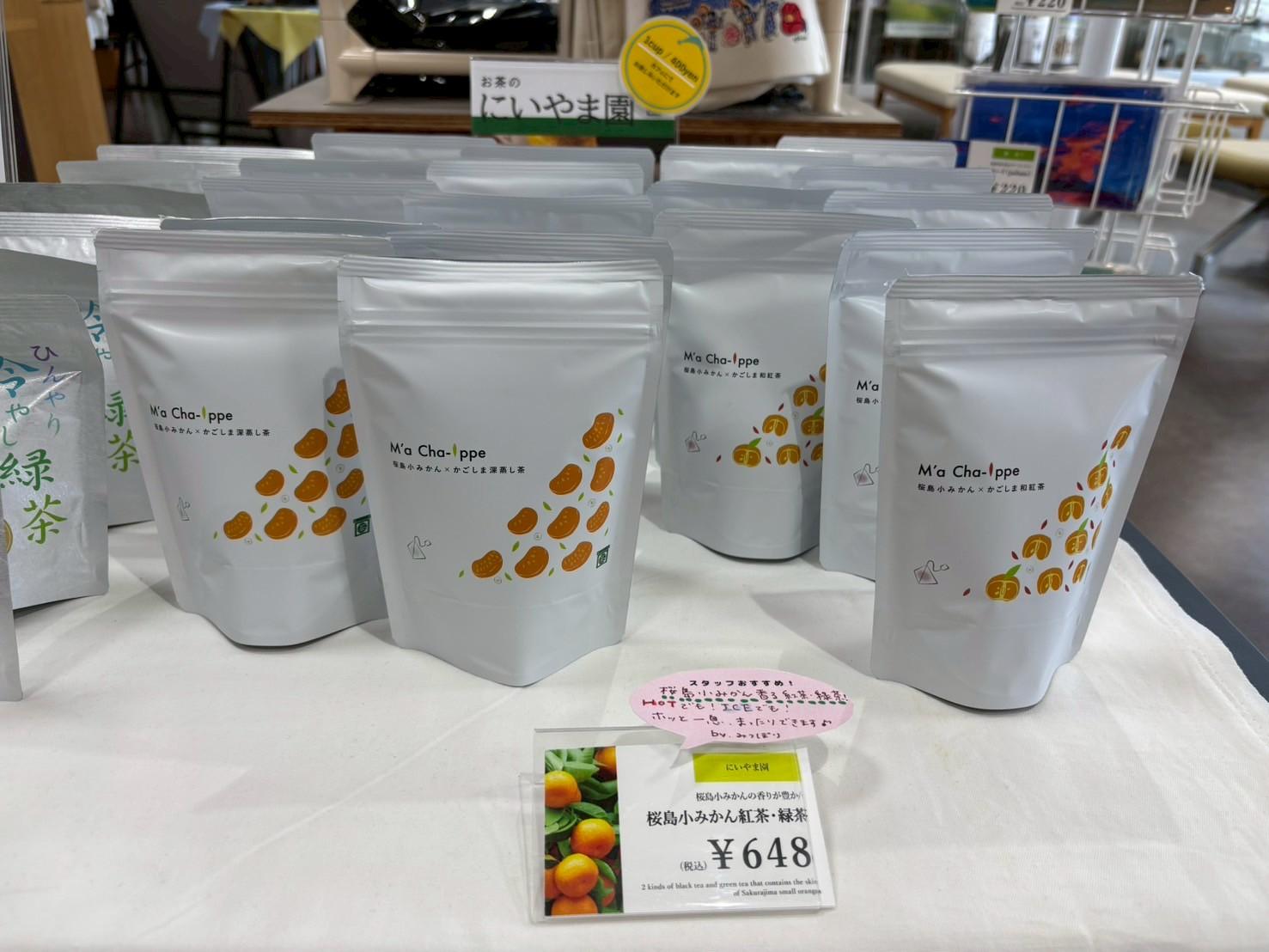
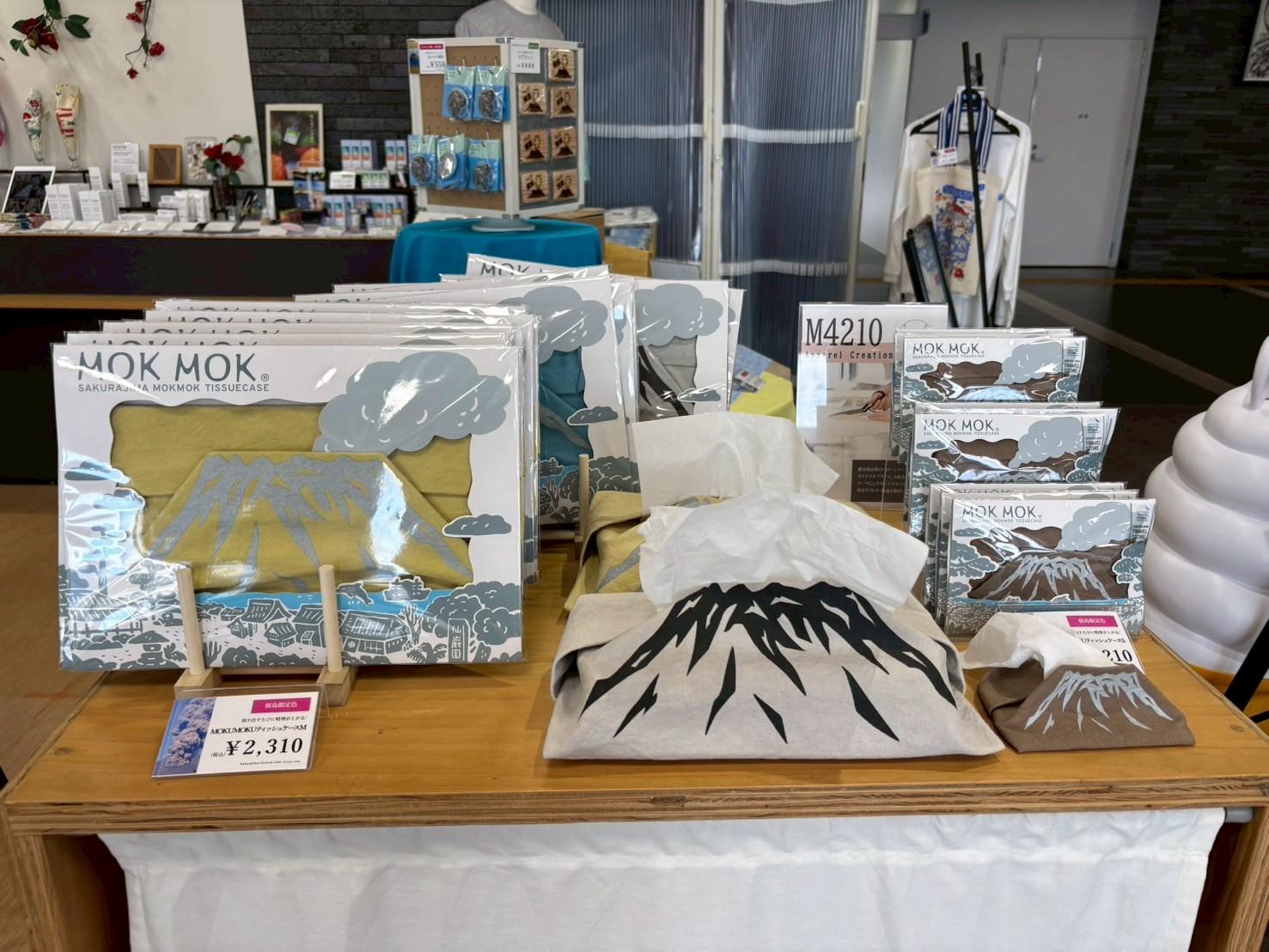
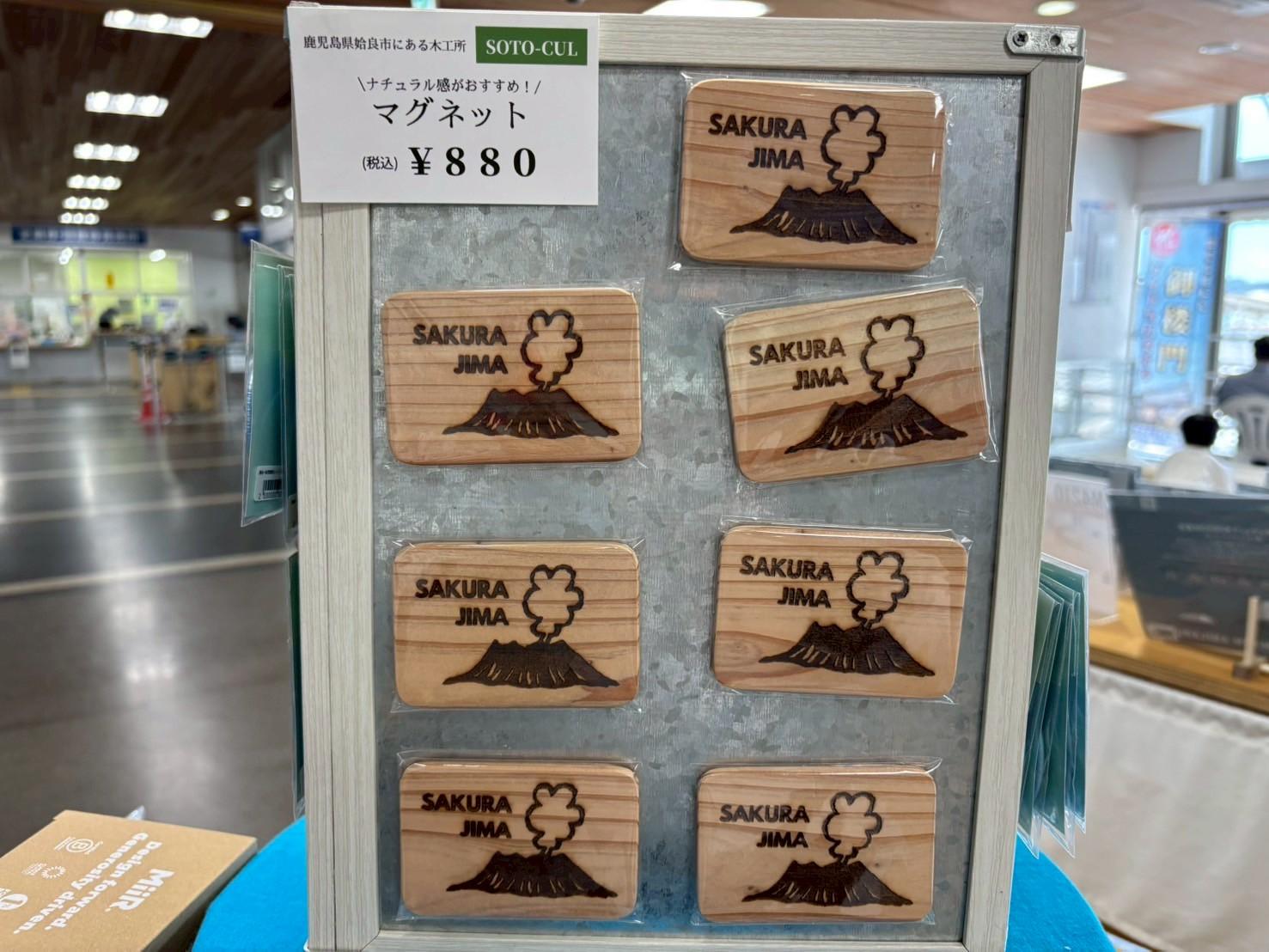
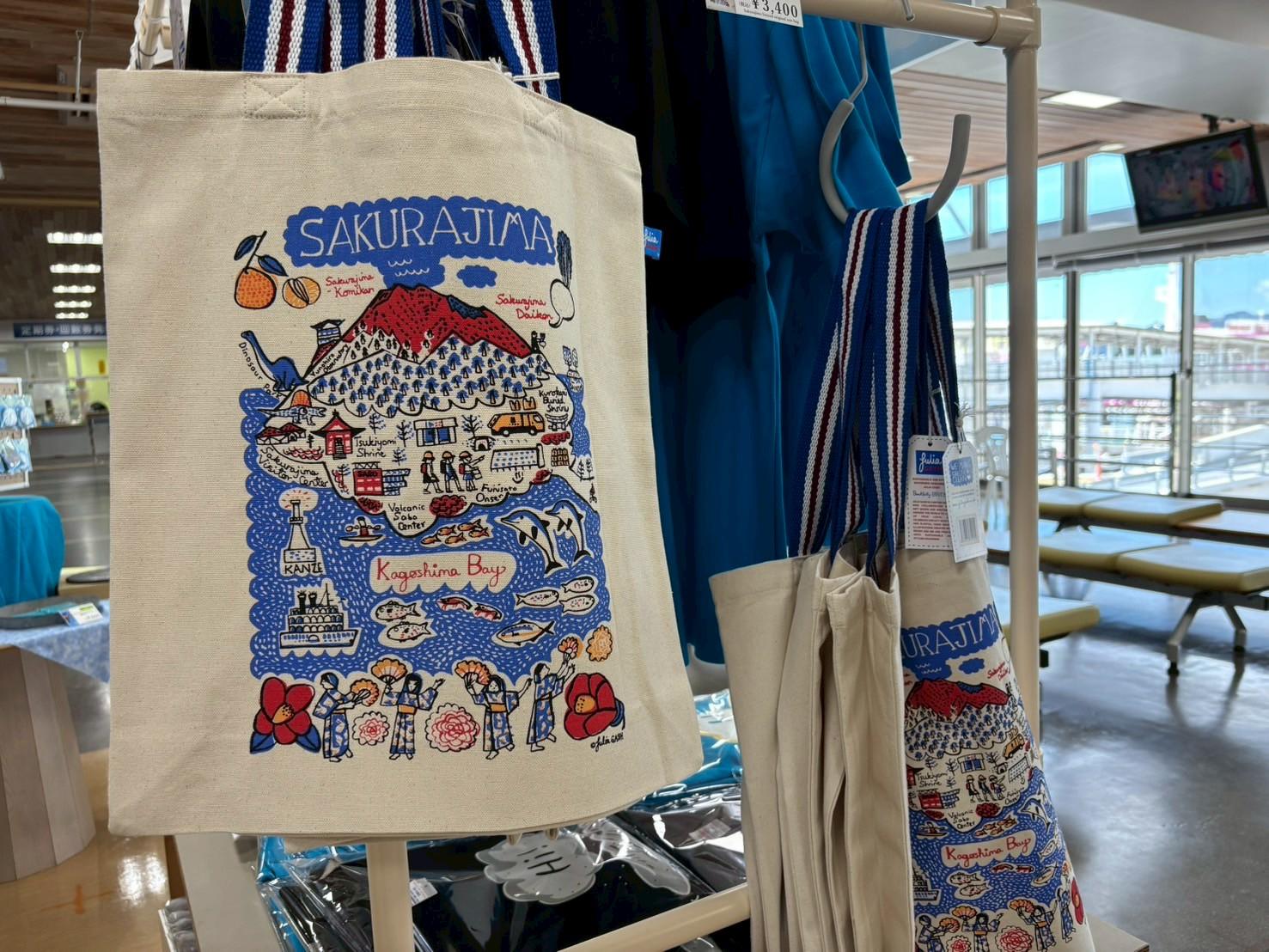
The café also sells a range of teas, candies and other snacks made using local komikan (small mandarin oranges), as well as Sakurajima-themed souvenirs, offering a warm introduction to the area’s rich culture and environment.
07| Sakurajima Island View Bus
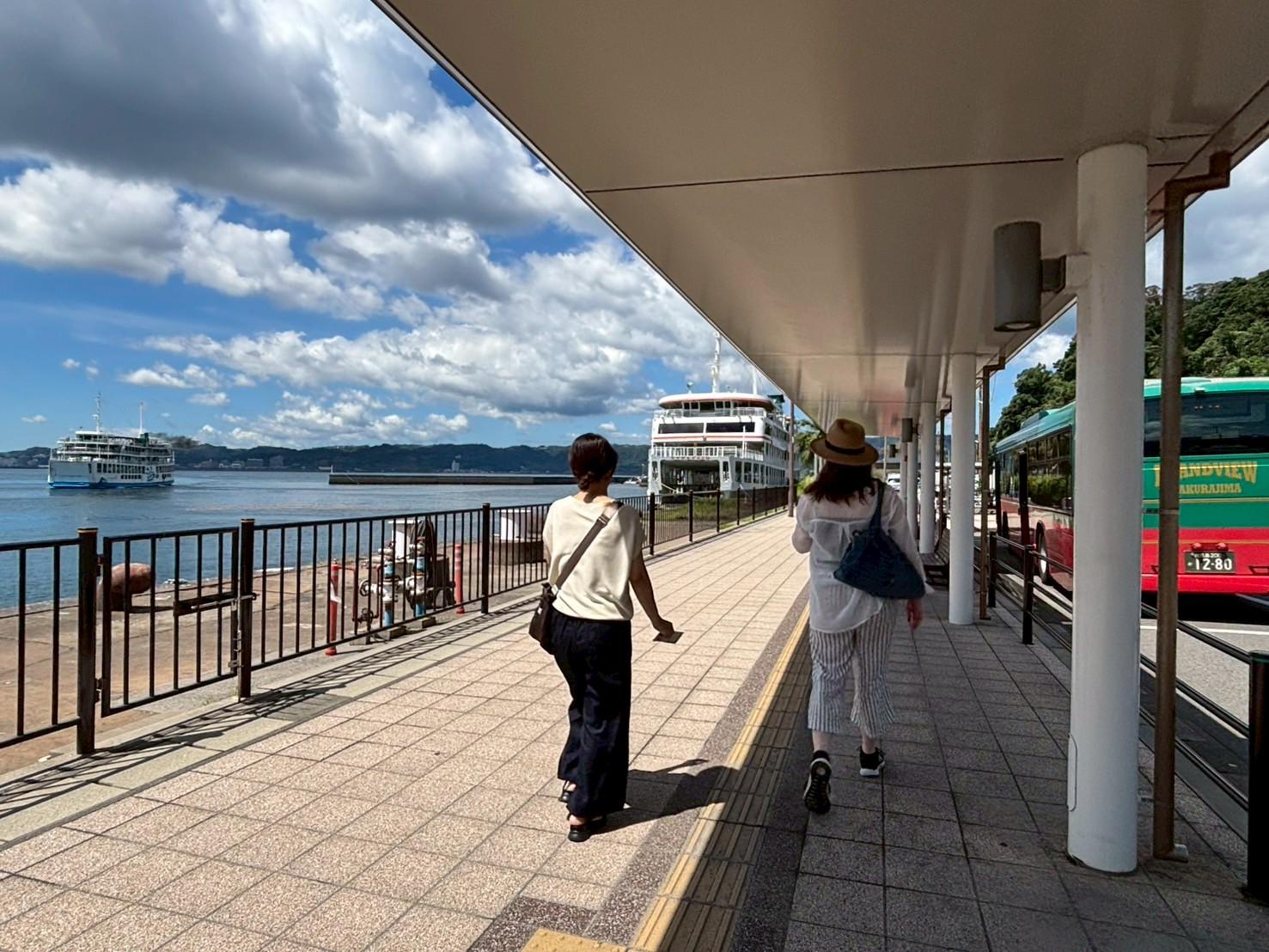
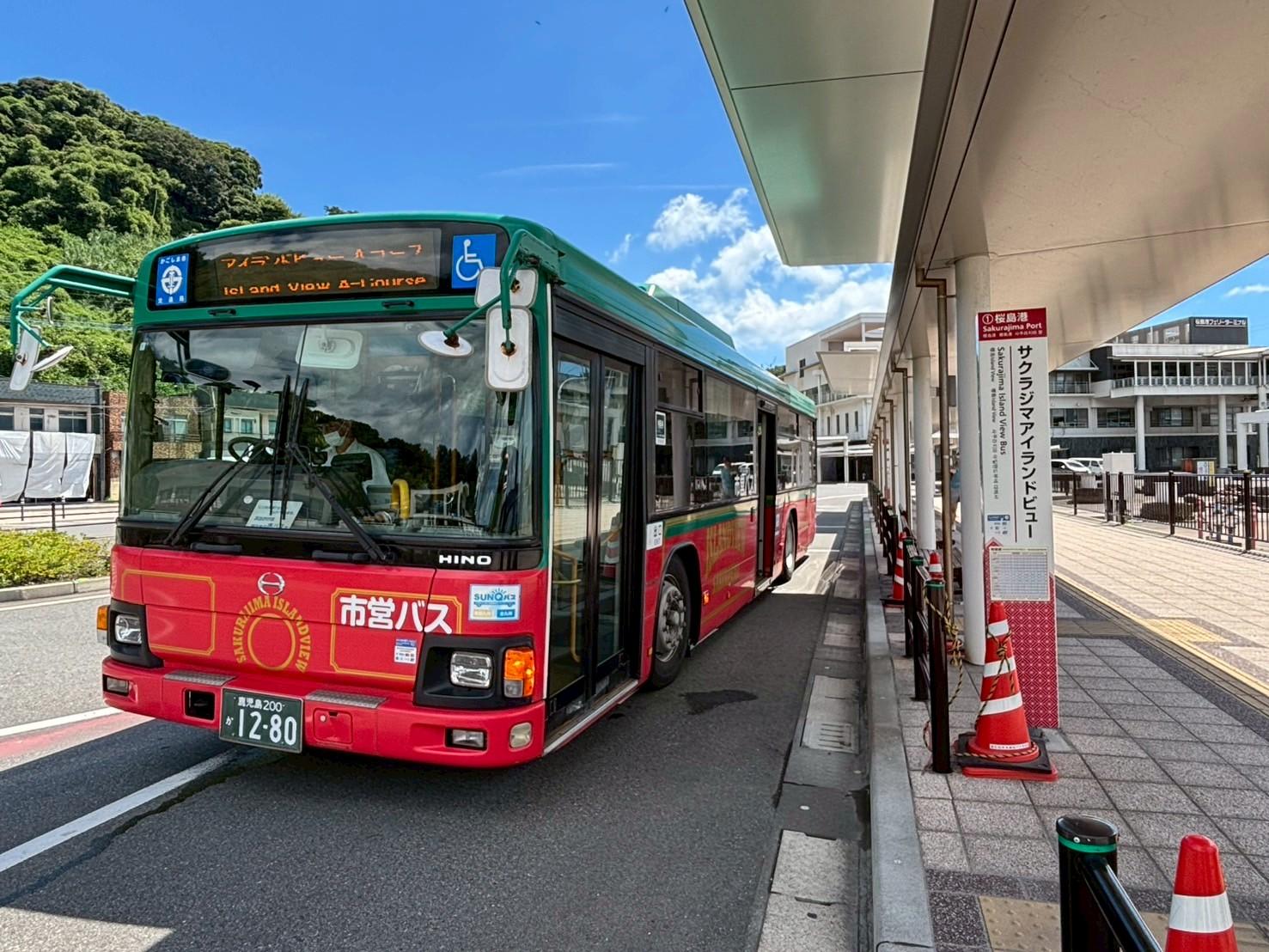
The Sakurajima Island View Bus is the most efficient way to experience Sakurajima’s attractions and viewpoints and, with departures around every 30 minutes, visitors can hop on and off easily. To reach the bus stop, leave the ferry terminal through the left exit and look out for the bus stop at the roundabout directly in front of the building.
08| Hinoshima Megumikan Rest Stop
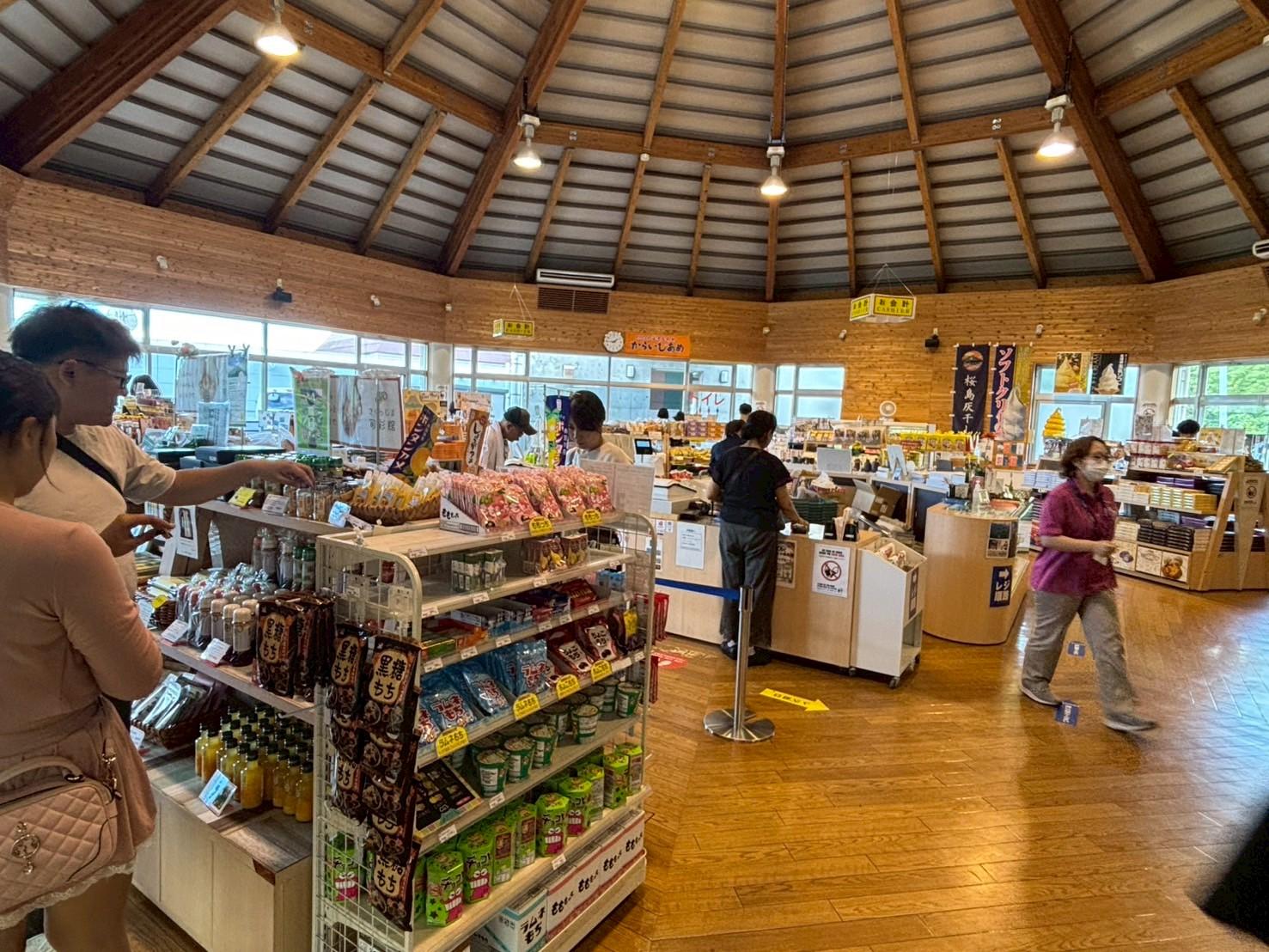
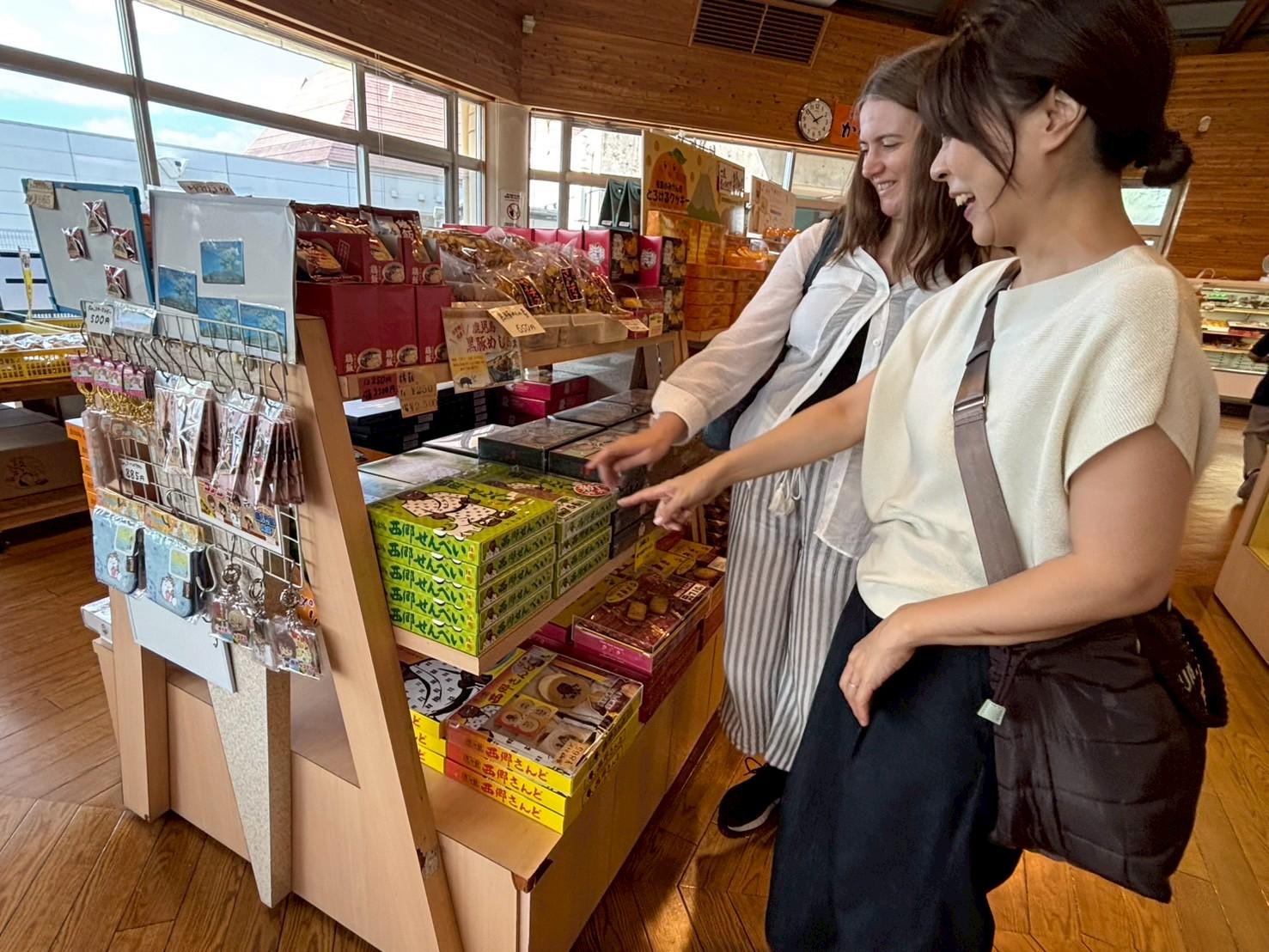
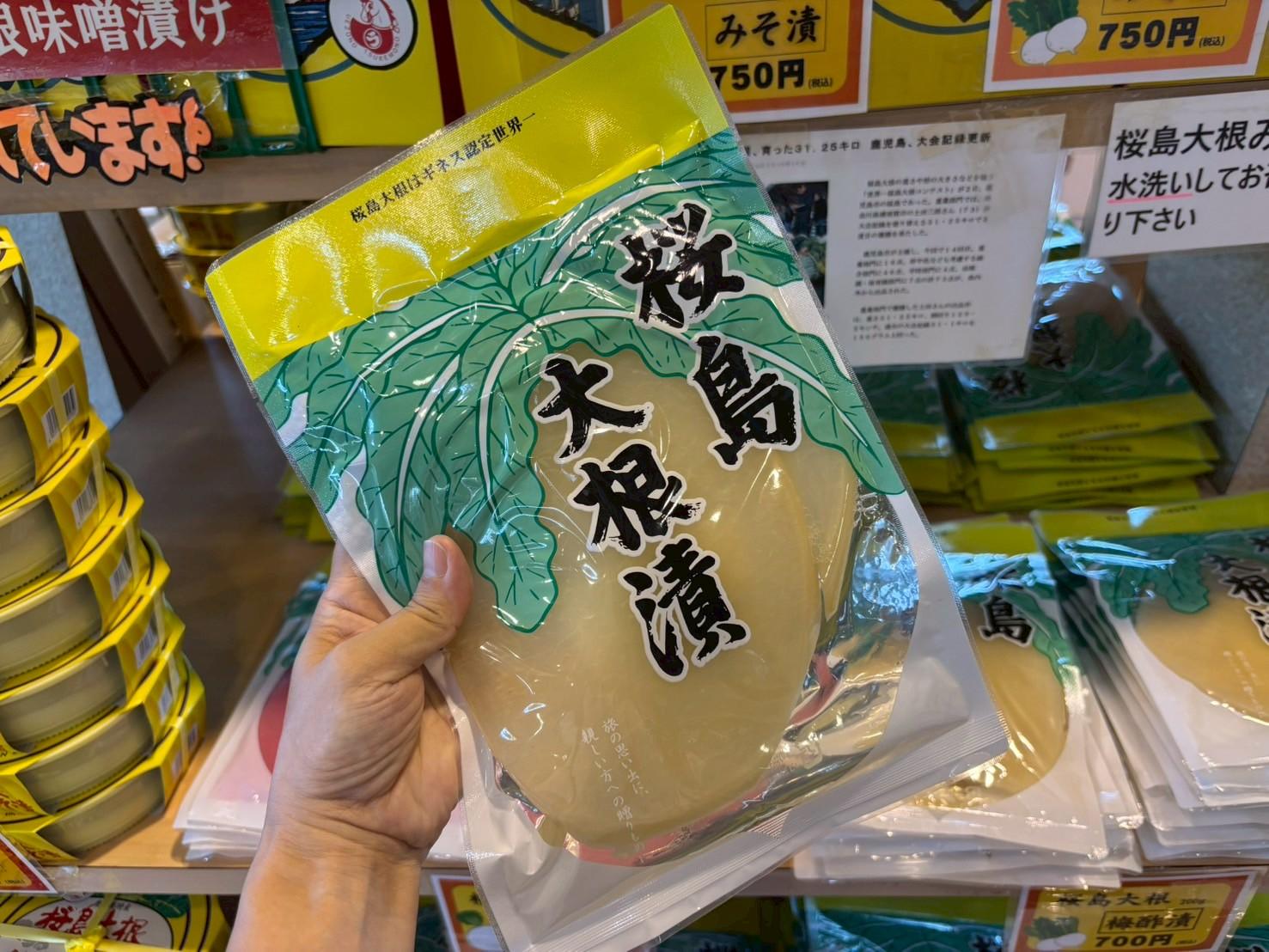
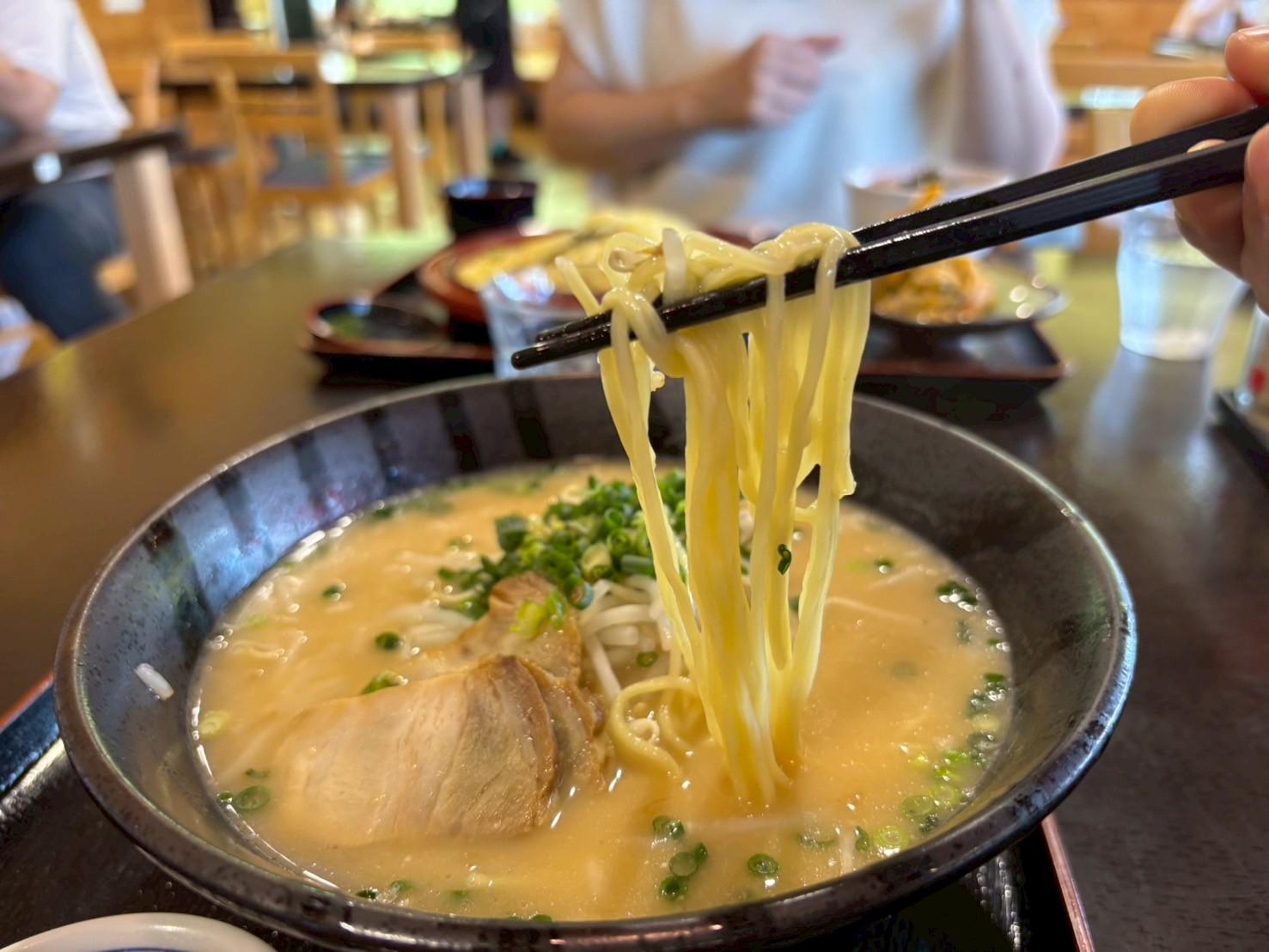
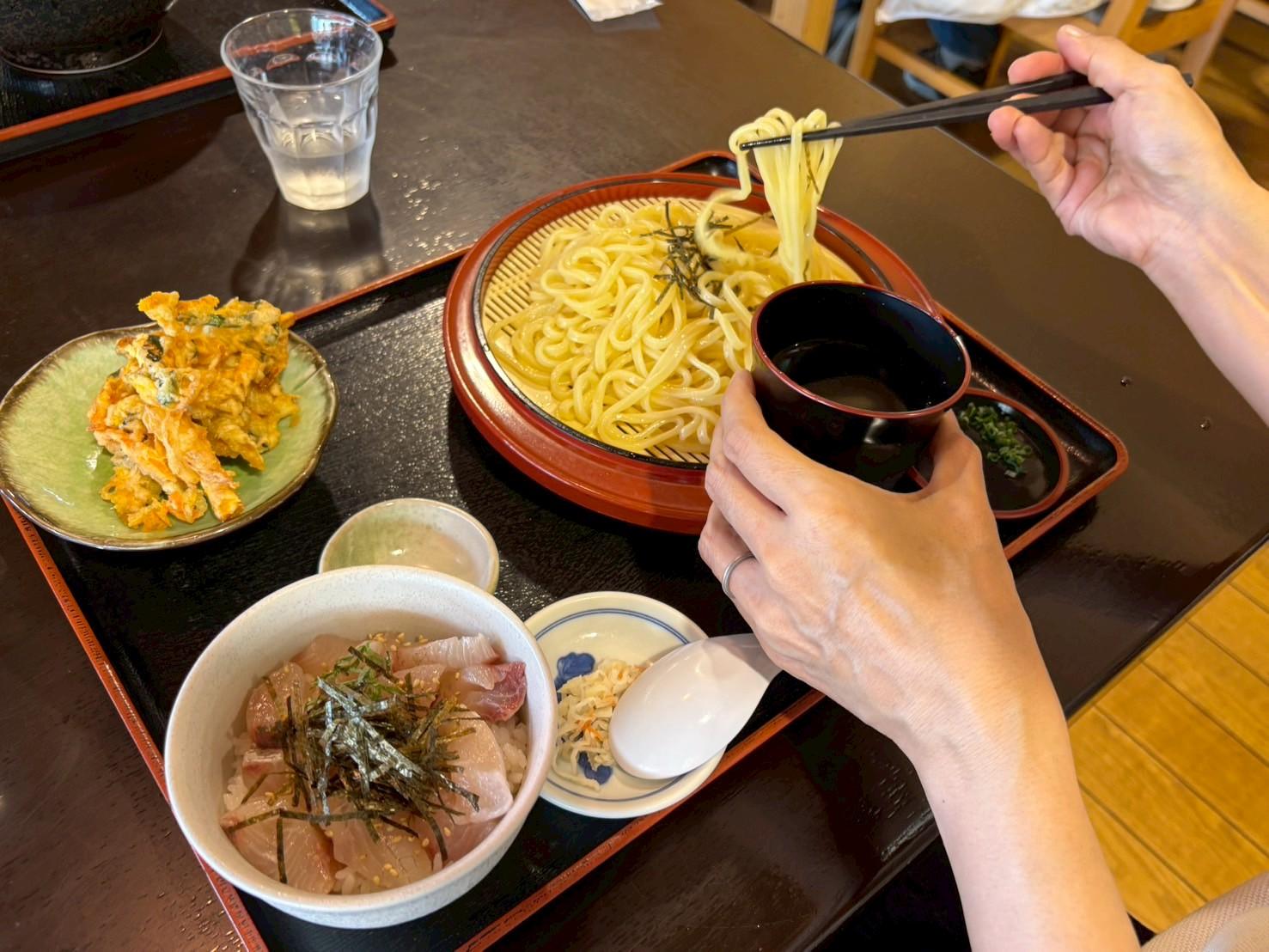
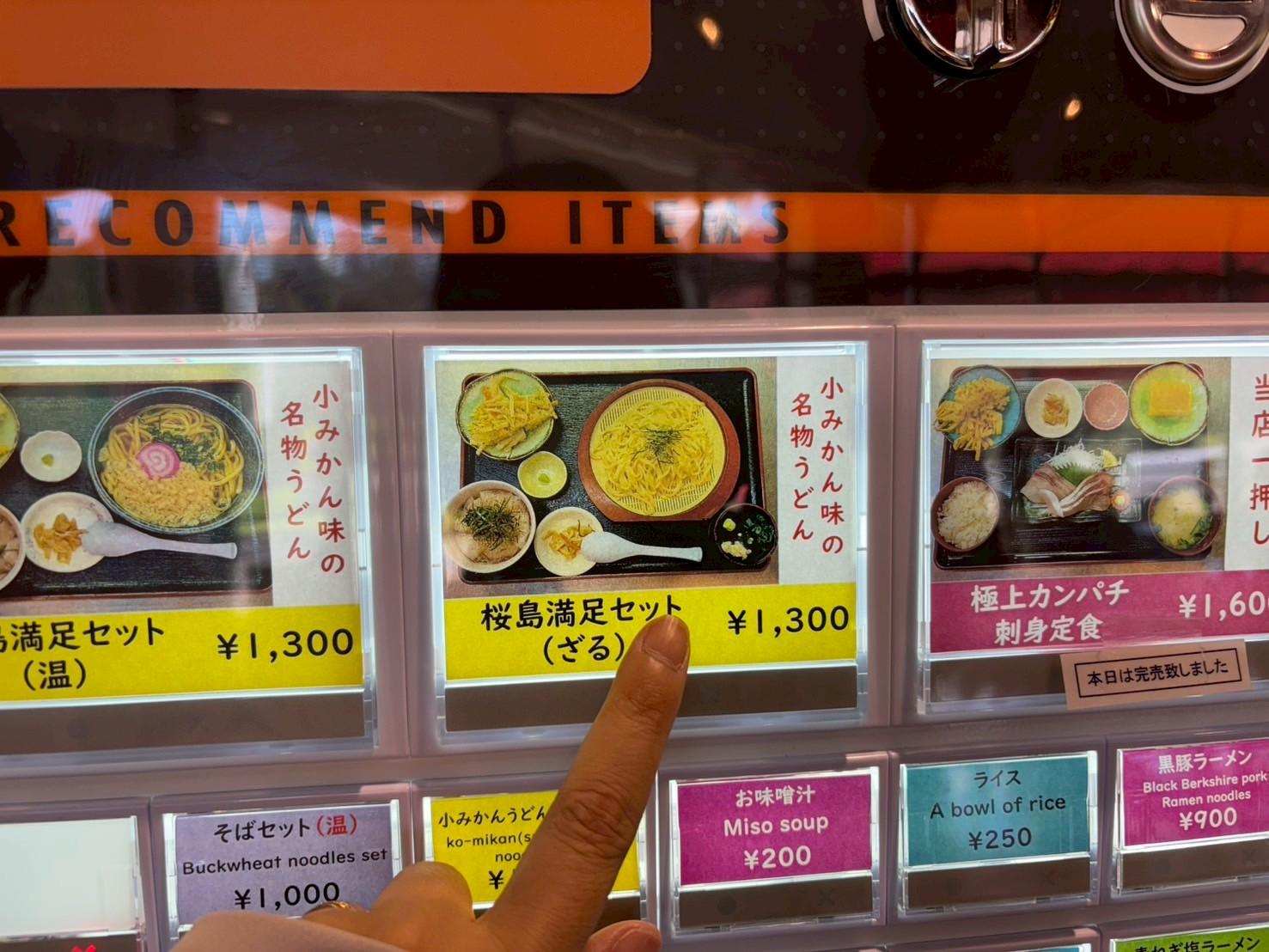
This roadside station is a must-visit for visitors seeking to uncover the culture of Sakurajima. The restaurant Ofukuro no Aji Shun (literally meaning “mother’s taste throughout the seasons”) serves delicious homemade dishes such as premium kanpachi (greater amberjack) sashimi and kogomikan udon (hot noodles made with the pulp of Sakurajima’s small mandarin oranges). As much as possible, the ingredients are sourced from Kagoshima, ensuring authentic, seasonal flavors in every dish.
The shop’s signature items include kogomikan soft serve, a creamy treat made with Sakurajima’s small mandarin oranges, and the lava parfait, a layered dessert with crispy flakes and rich ice cream to mimic the volcanic landscape. In addition, the facility sells a variety of local agricultural produce including seasonal citrus fruits and Sakurajima daikon radish, which is known for its sweetness and giant size. It’s the perfect place to find unique souvenirs, handmade products and volcanic-themed crafts.
09| Rainbow Sakurajima
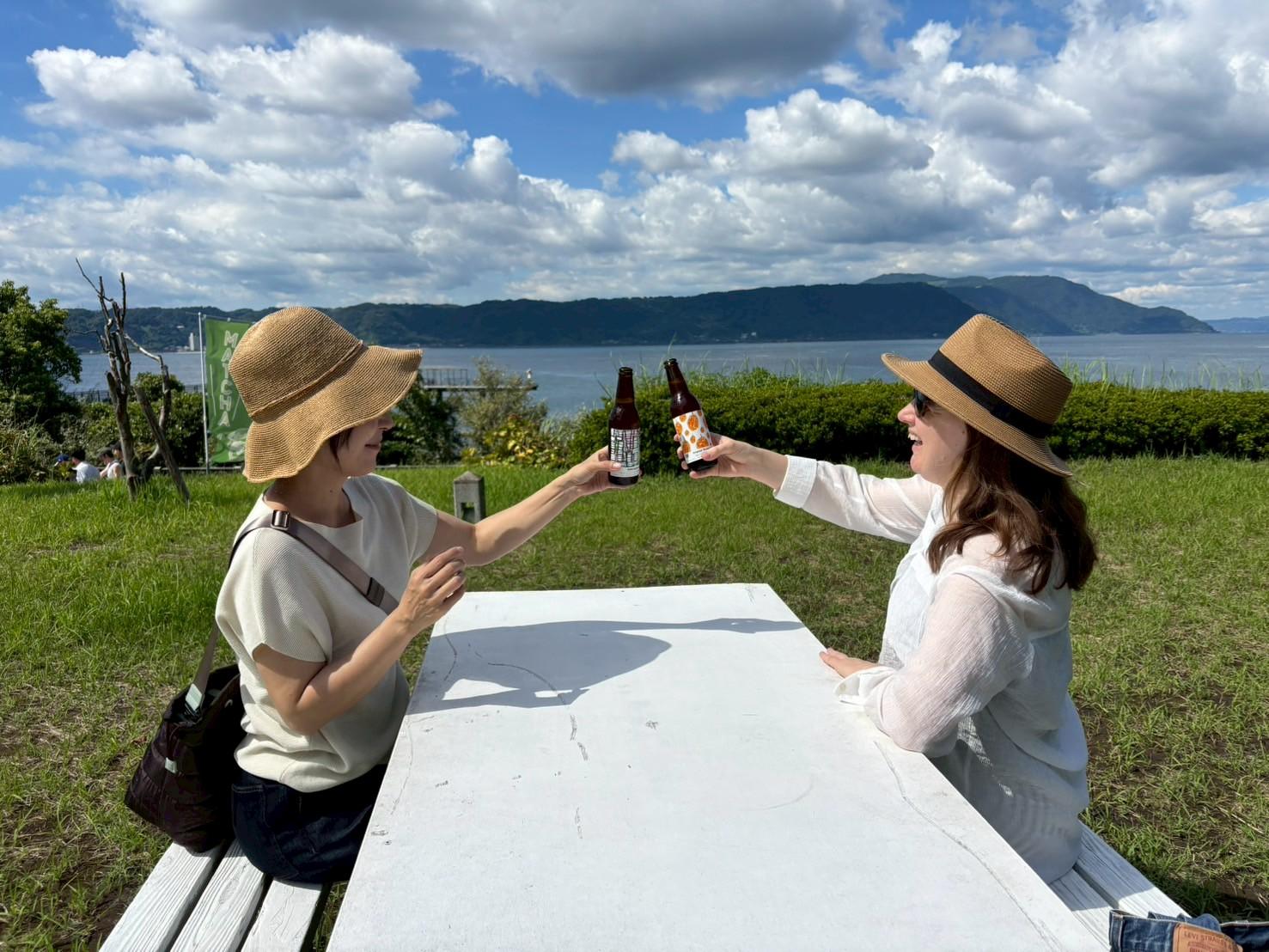
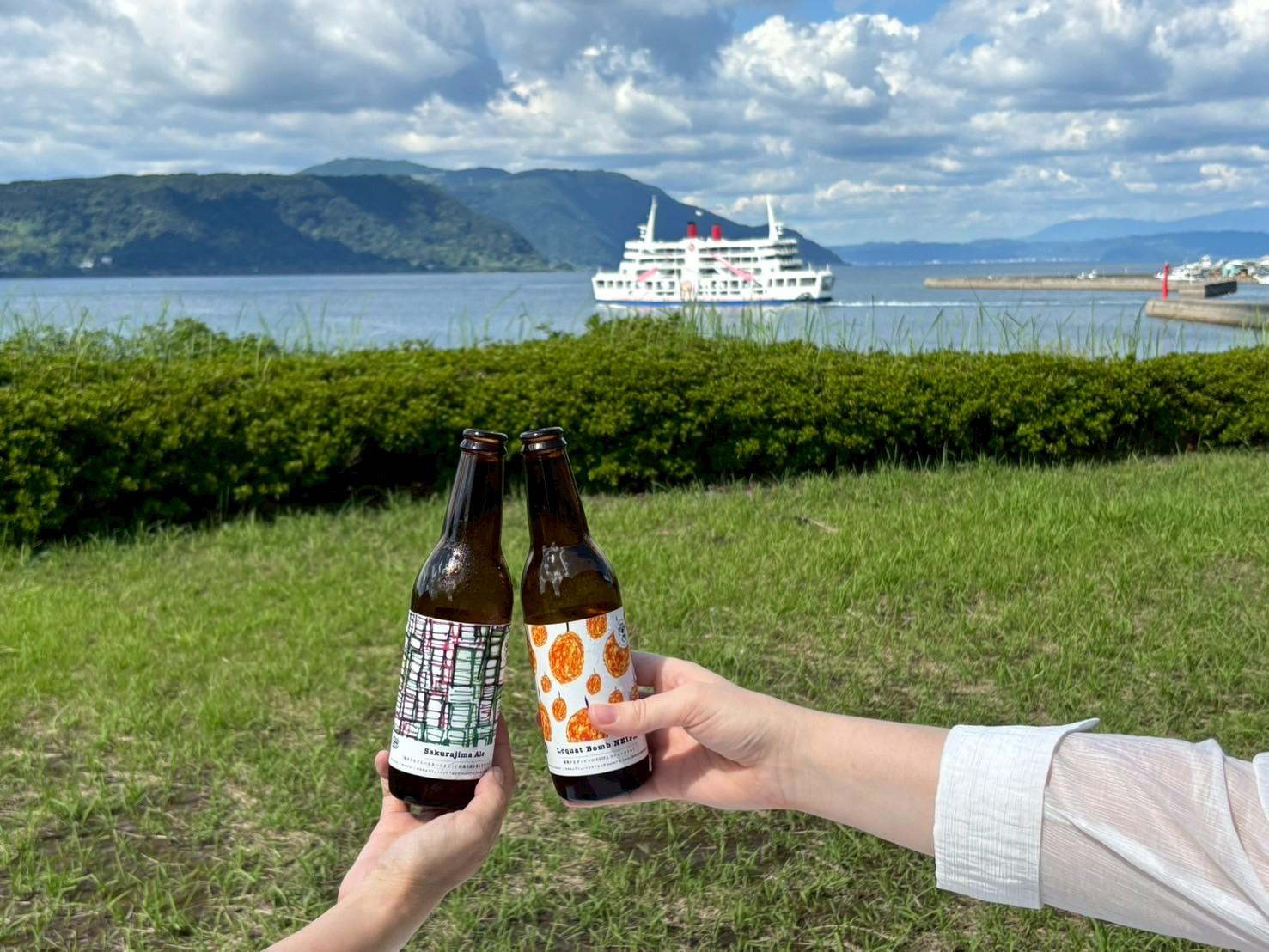
This inn is home to Sakurajima Magma Hot Spring, a mineral-rich onsen open to both guests and non-staying visitors. Guests can unwind in a variety of baths, including a sauna and jacuzzi, perfect for relaxation. After a soothing soak, head to the onsite Sakurajima Café, where you can enjoy refreshing drinks, including locally brewed Kagoshima craft beer, in the outdoor seating area.
Rainbow Sakurajima offers expansive open spaces with stunning views of Kinko Bay, ideal for leisurely strolls. There is even a spacious ashiyu (open-air footbath) where visitors can soak their feet while admiring views of Kagoshima City across the bay. The warm volcanic water makes it an ideal place to rest before continuing the journey. Bicycle rental is also available for active travelers wishing to explore by bike.
10| Sakurajima Visitor Center
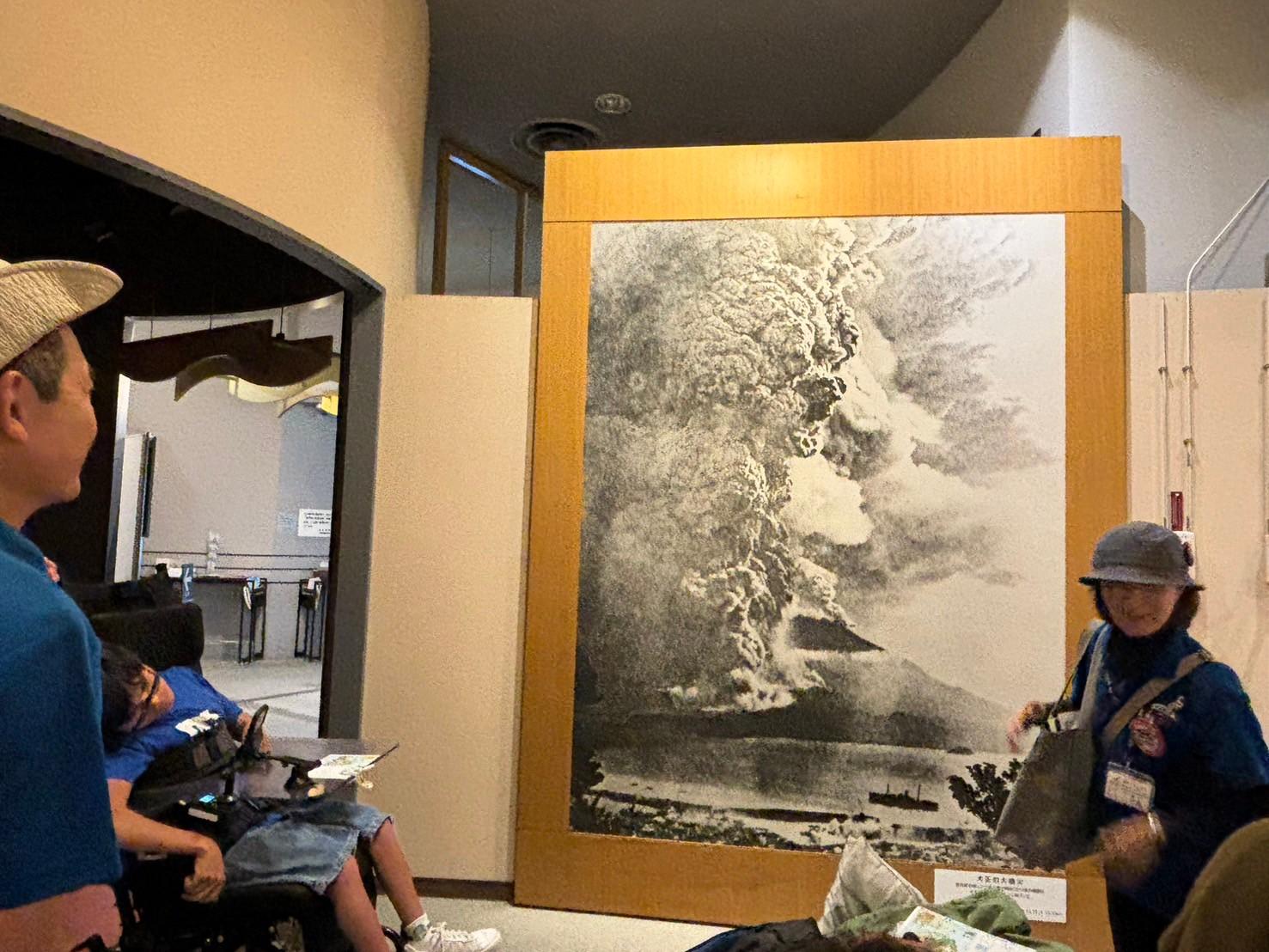
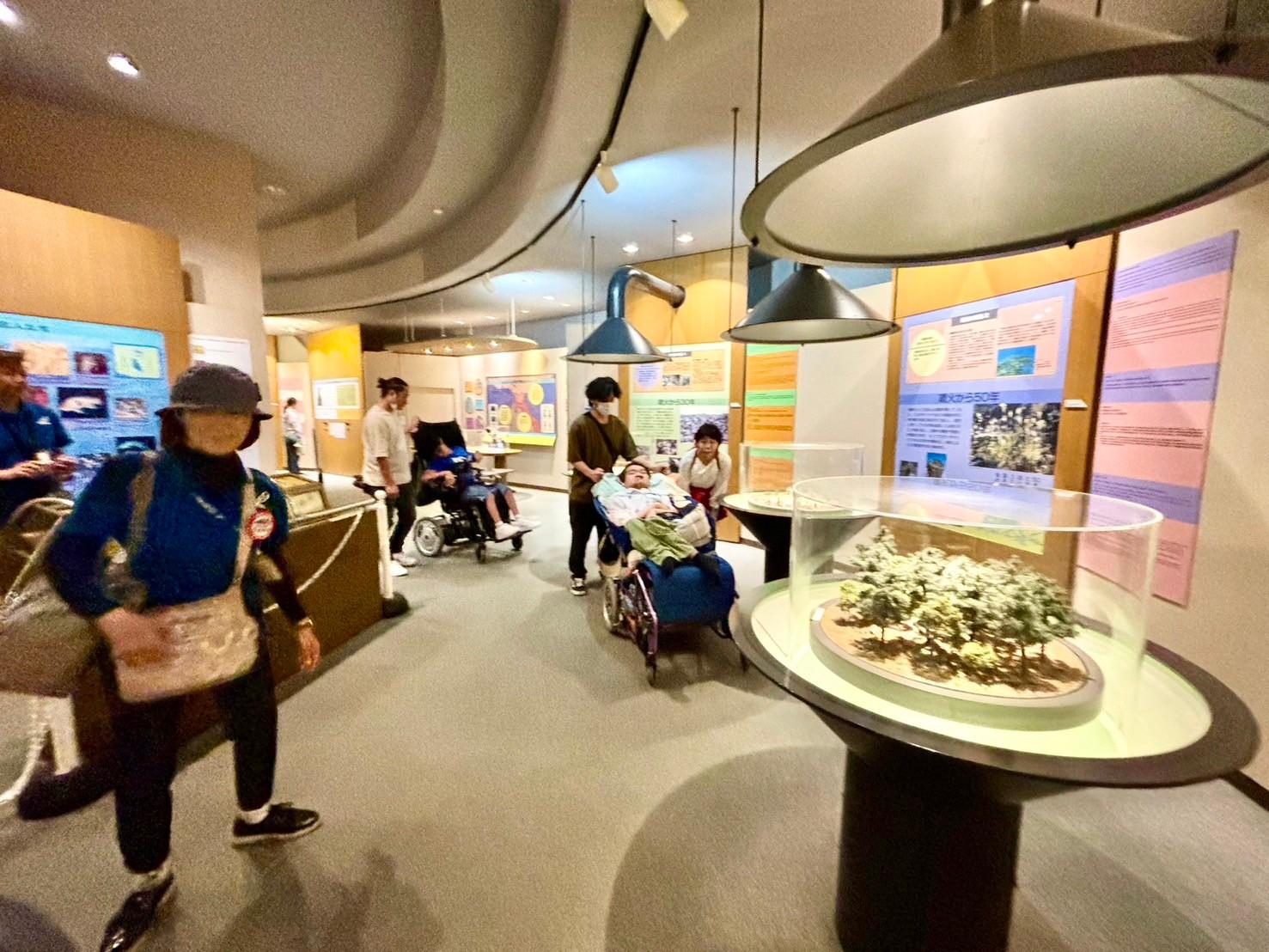
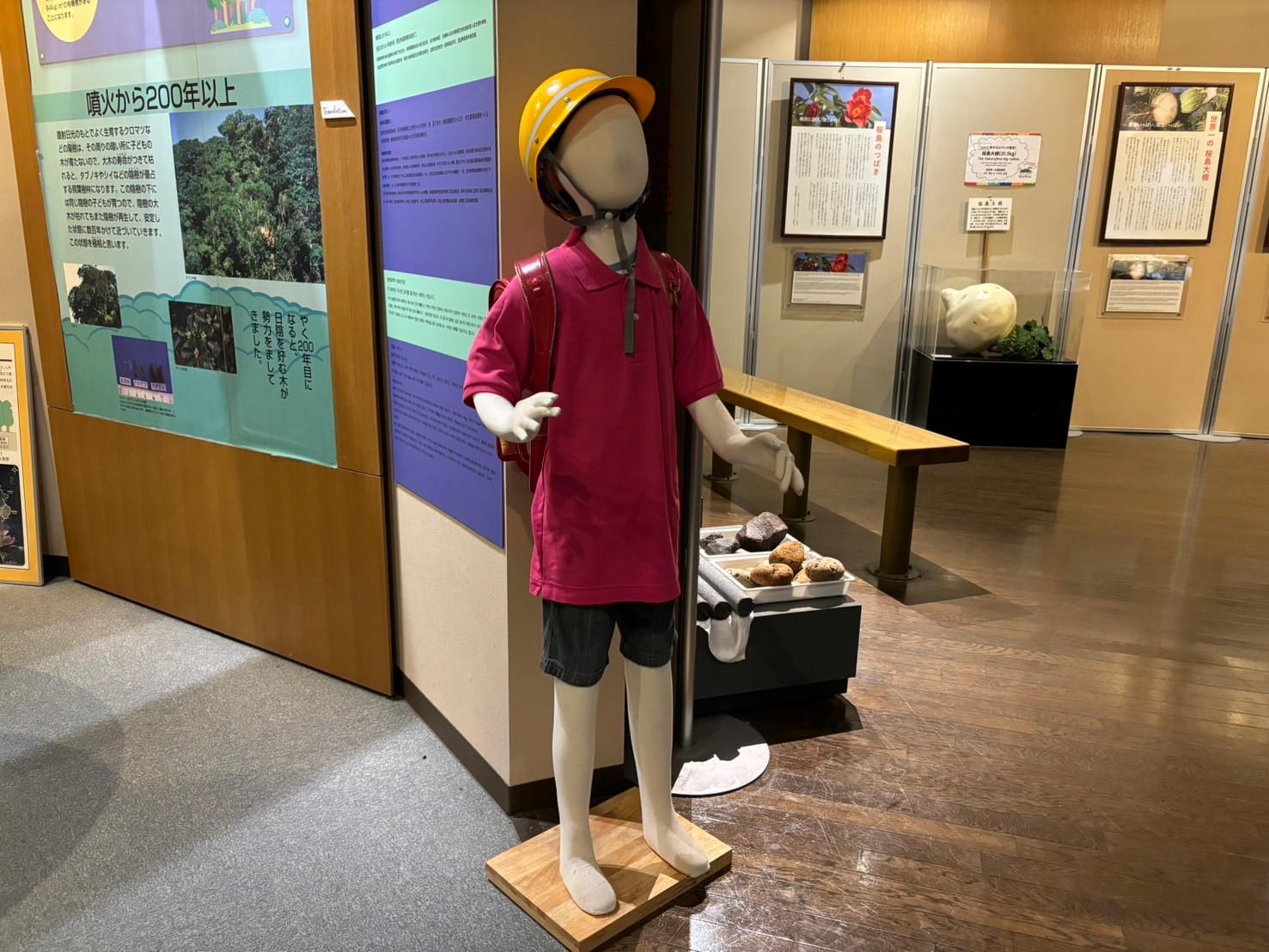
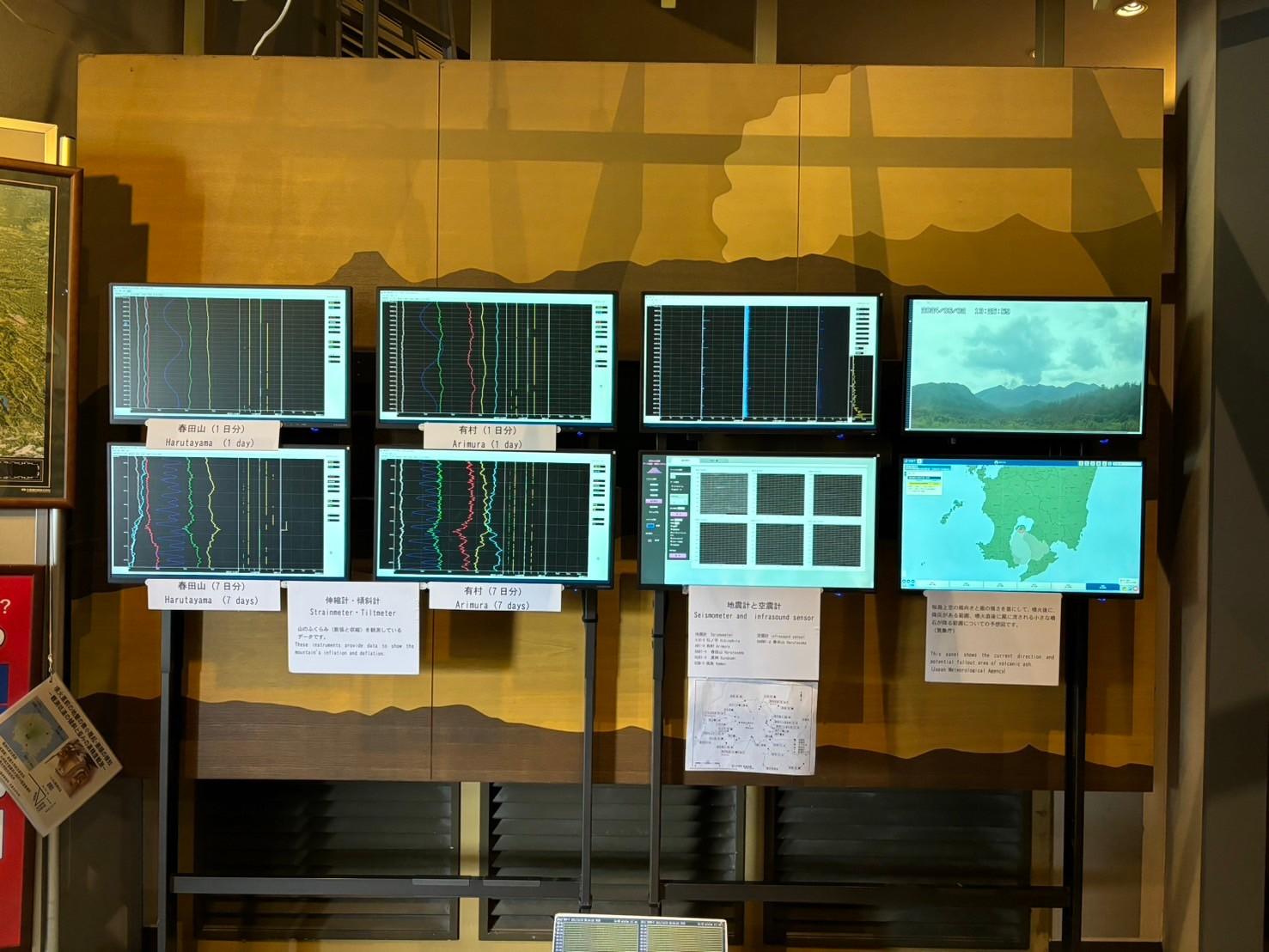
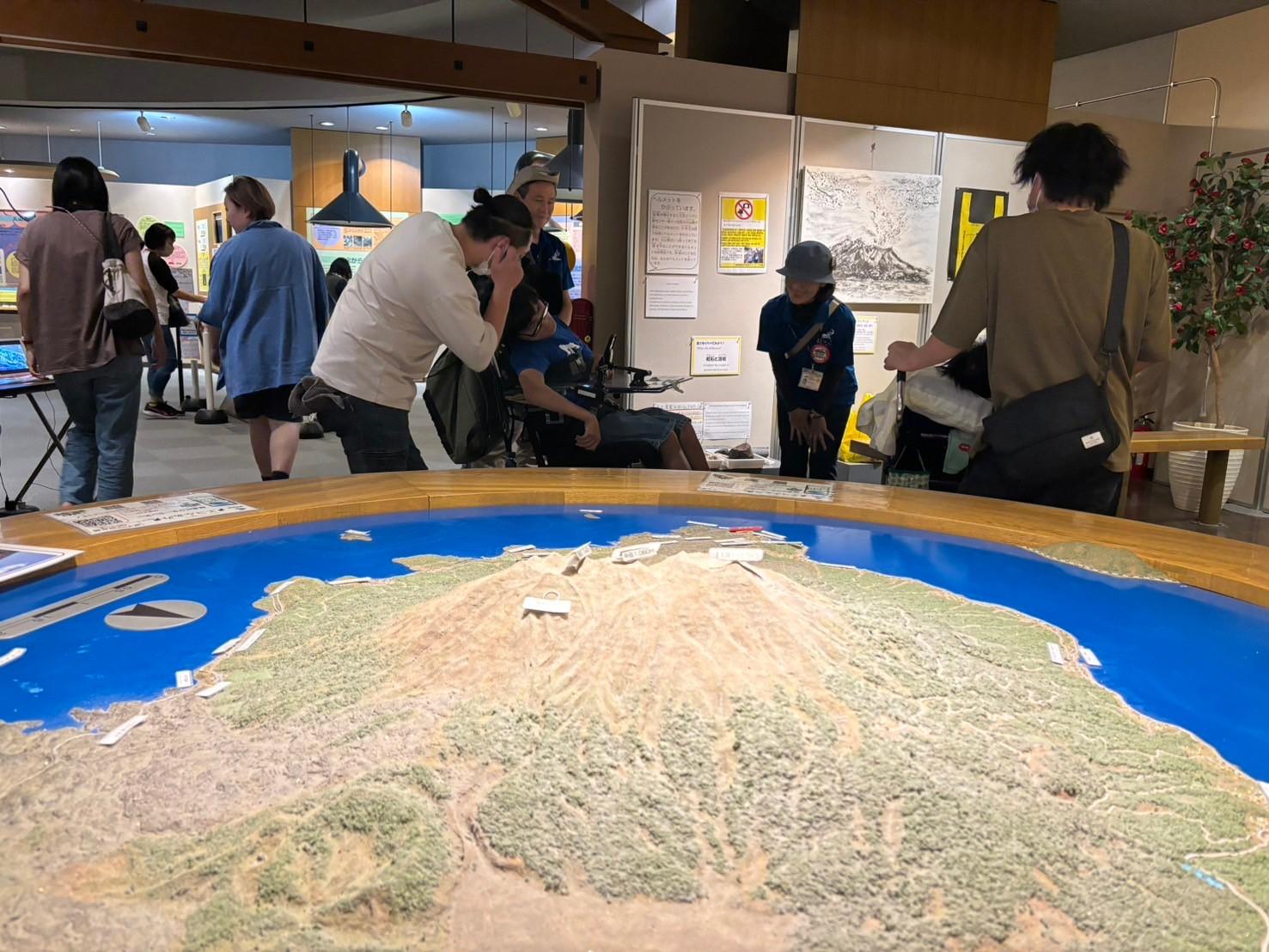
A short walk away is Sakurajima Visitor Center, an engaging and educational facility that offers a deep dive into Sakurajima’s fascinating geological history. Visitors can learn about past eruptions, volcanic monitoring systems and the daily lives of residents living beside an active volcano.
Once an island, Sakurajima was connected to the Osumi Peninsula in 1914 due to a massive eruption that formed a land bridge, and the center provides interactive exhibits that show the resulting dramatic landscape and the evolution of the local vegetation. A theater room features short films capturing the island’s unique charm, while live footage of the volcano’s crater, real-time seismic data and daily eruption statistics are available for viewing.
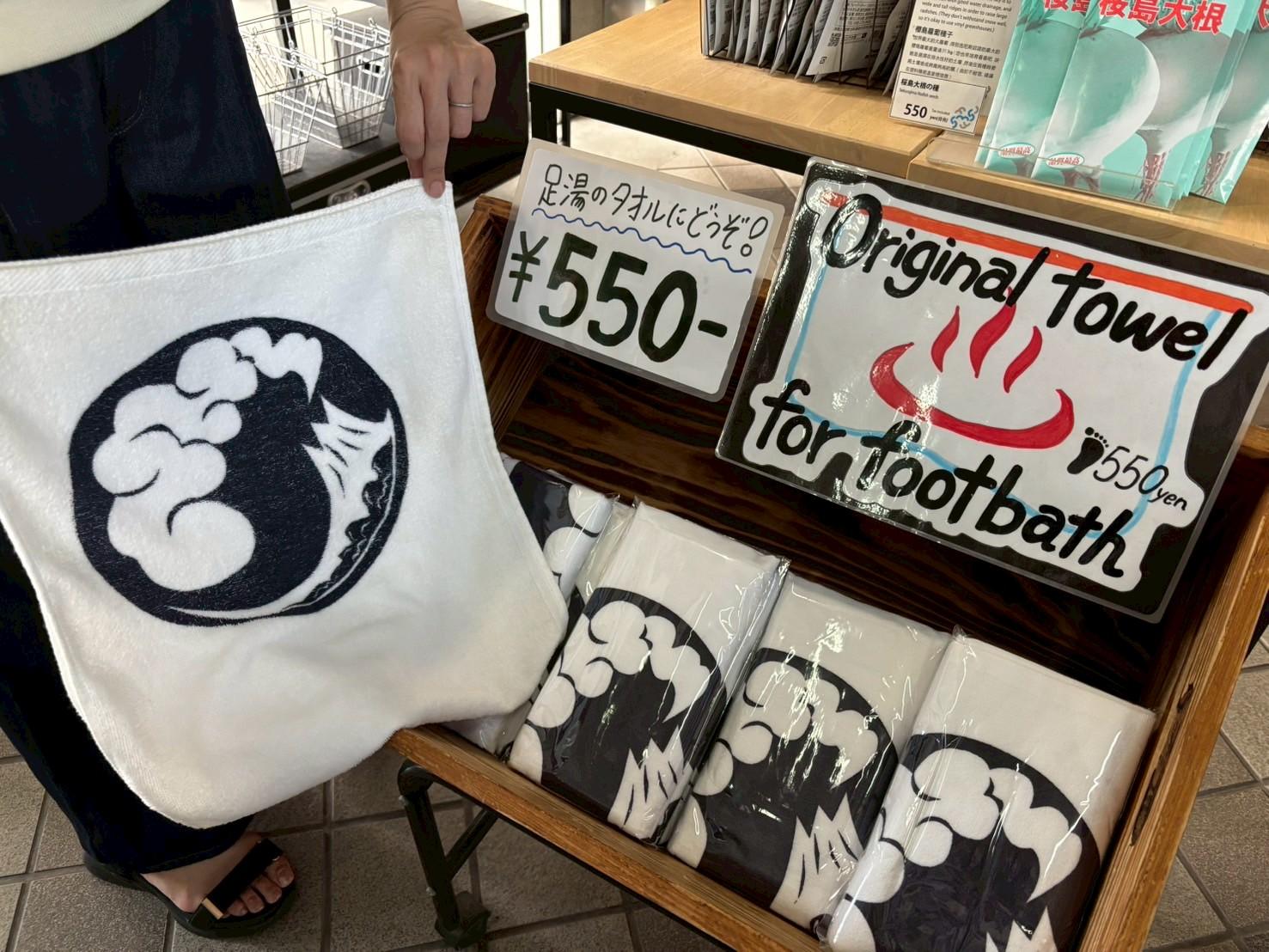
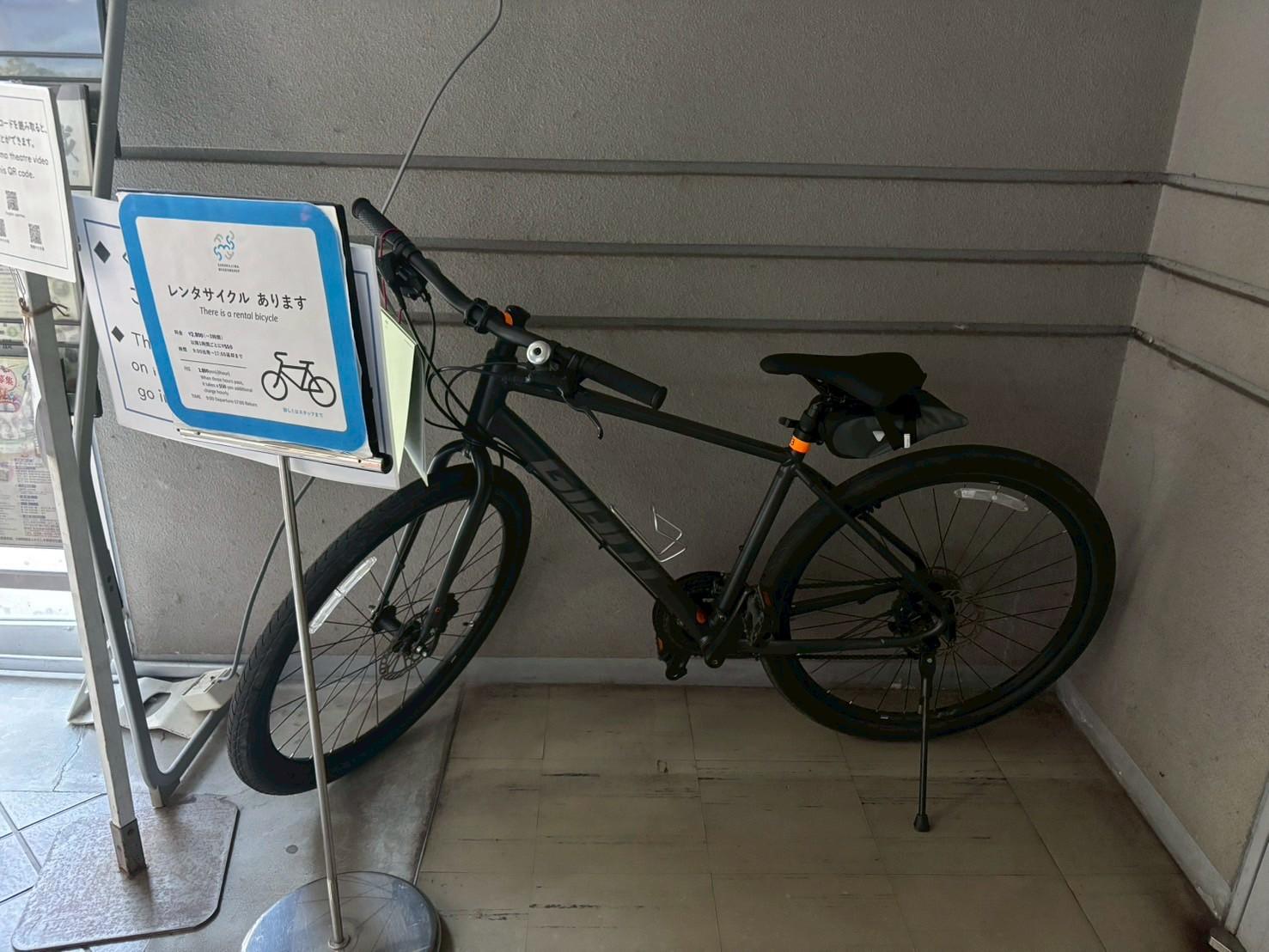
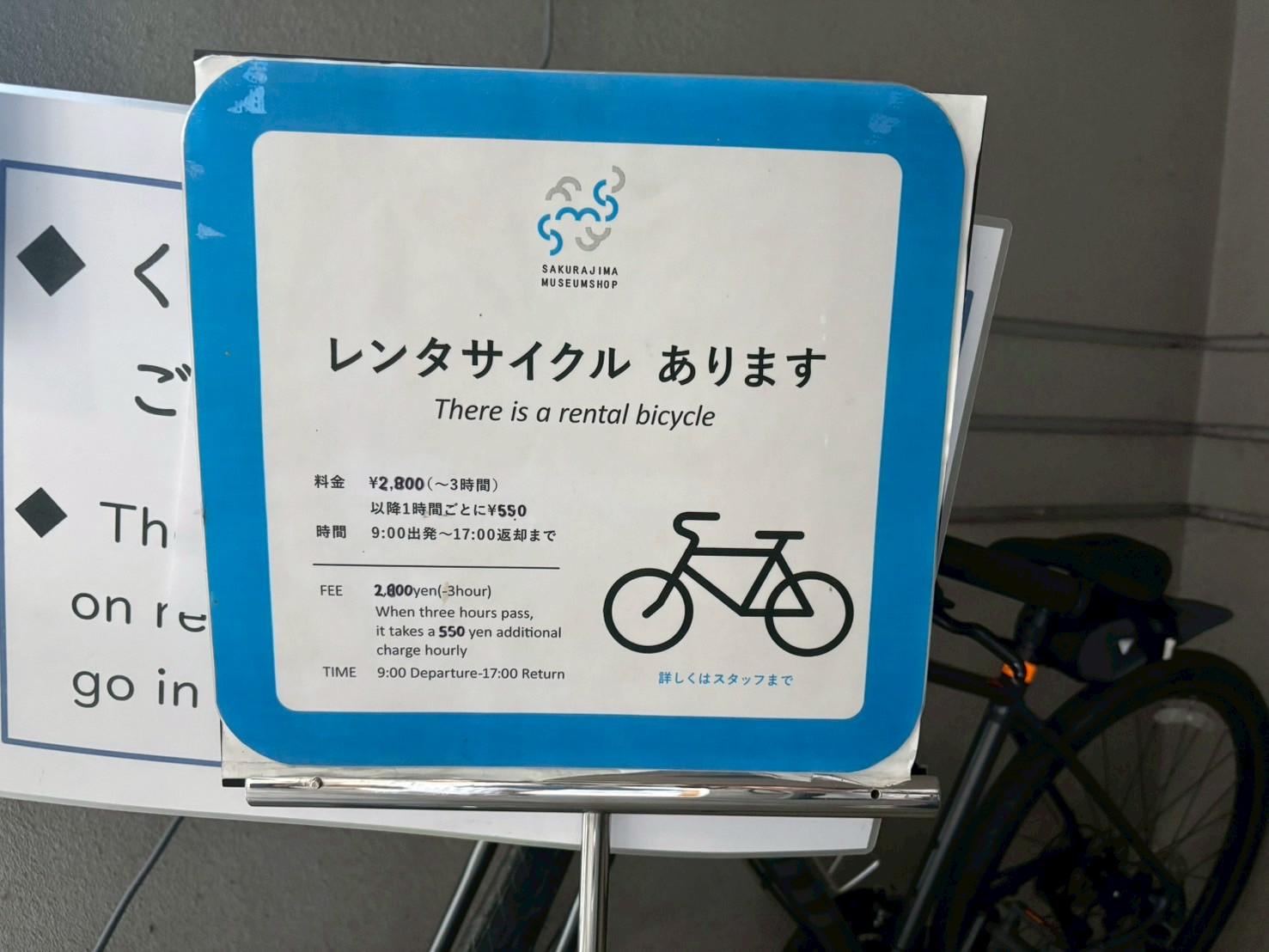
The visitor center rents cross bikes, designed to combine the speed of road bikes and the stability of mountain bikes for the hilly terrain of Sakurajima. It also provides a range of tourist information on the area and sells a selection of themed souvenirs, including locally produced camellia oil, books about the volcano and original towels that can be used at the nearby footbath, making it a one-stop resource for both education and practical needs.
11| Yunohira Observatory
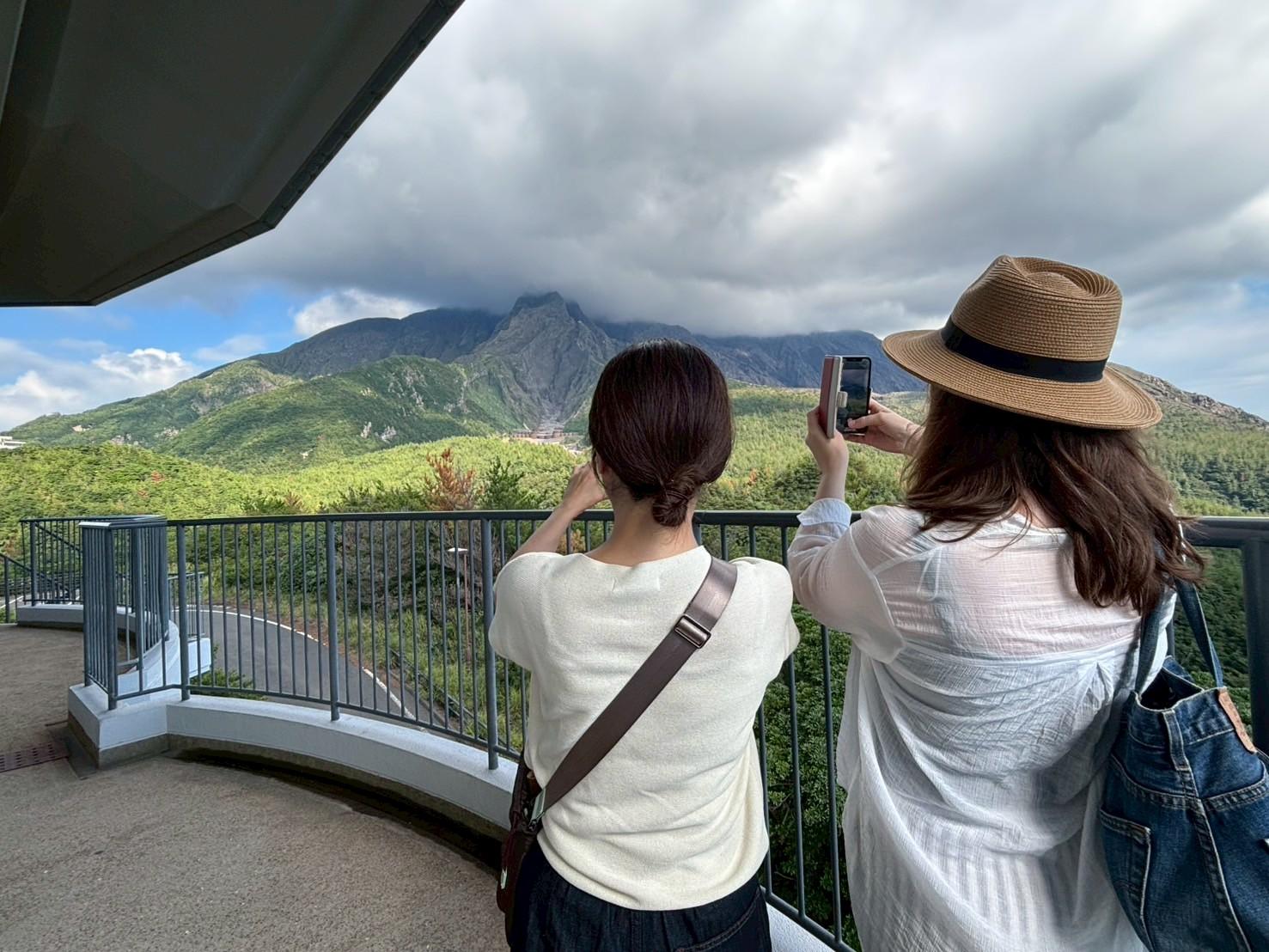
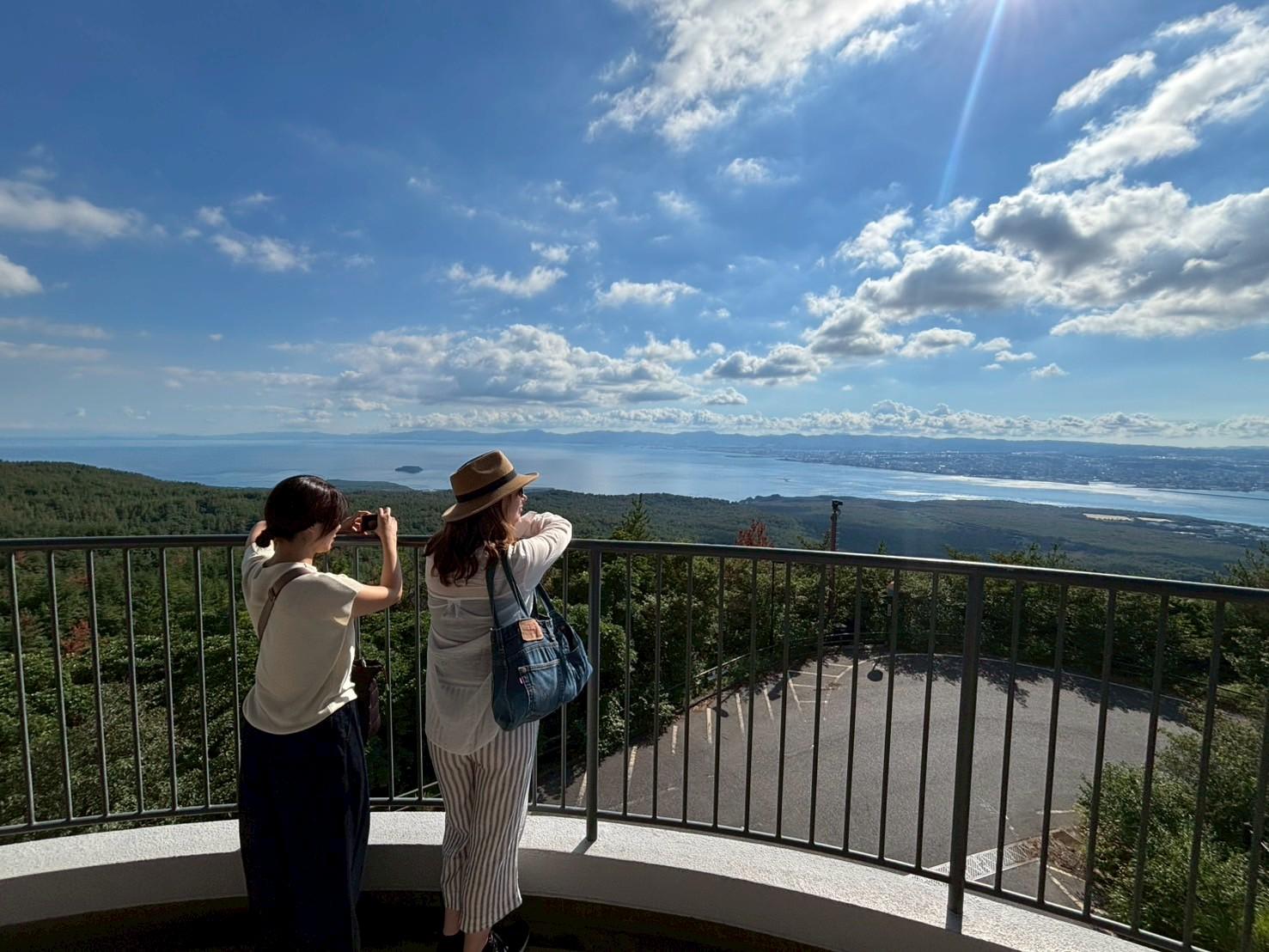
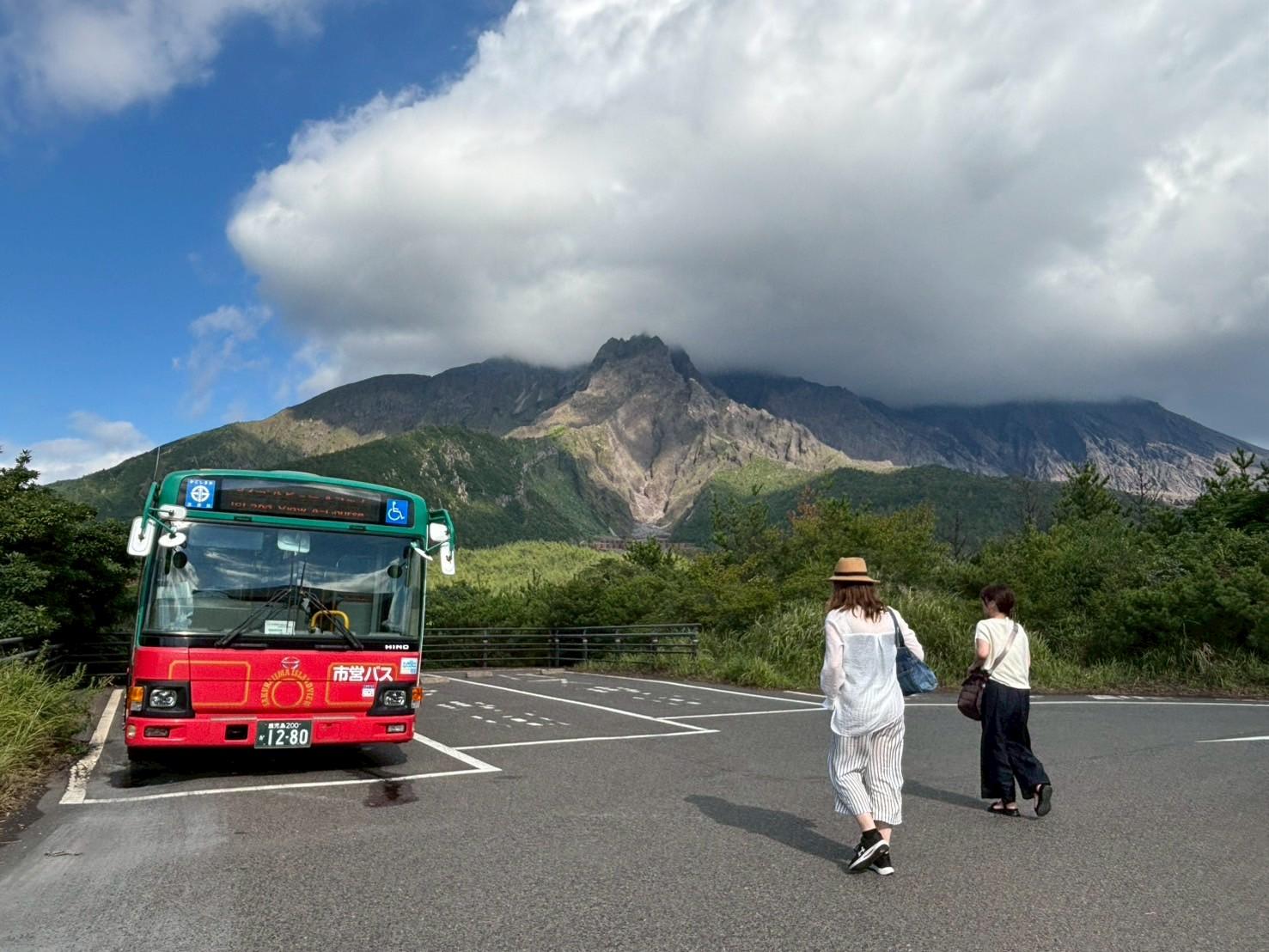
This facility offers the closest publicly accessible viewpoint to Sakurajima’s active crater. Situated at the fourth station, 373 meters above sea level, on the North Peak, it commands a panoramic view. From this dramatic vantage point, visitors can observe the rugged South Peak and the volcanic terrain shaped by past eruptions. The view stretches across tranquil Kinko Bay, with Kagoshima City below, to the distant Kirishima mountain range to the north. On clear days, it’s even possible to see Mount Kaimon in the south.
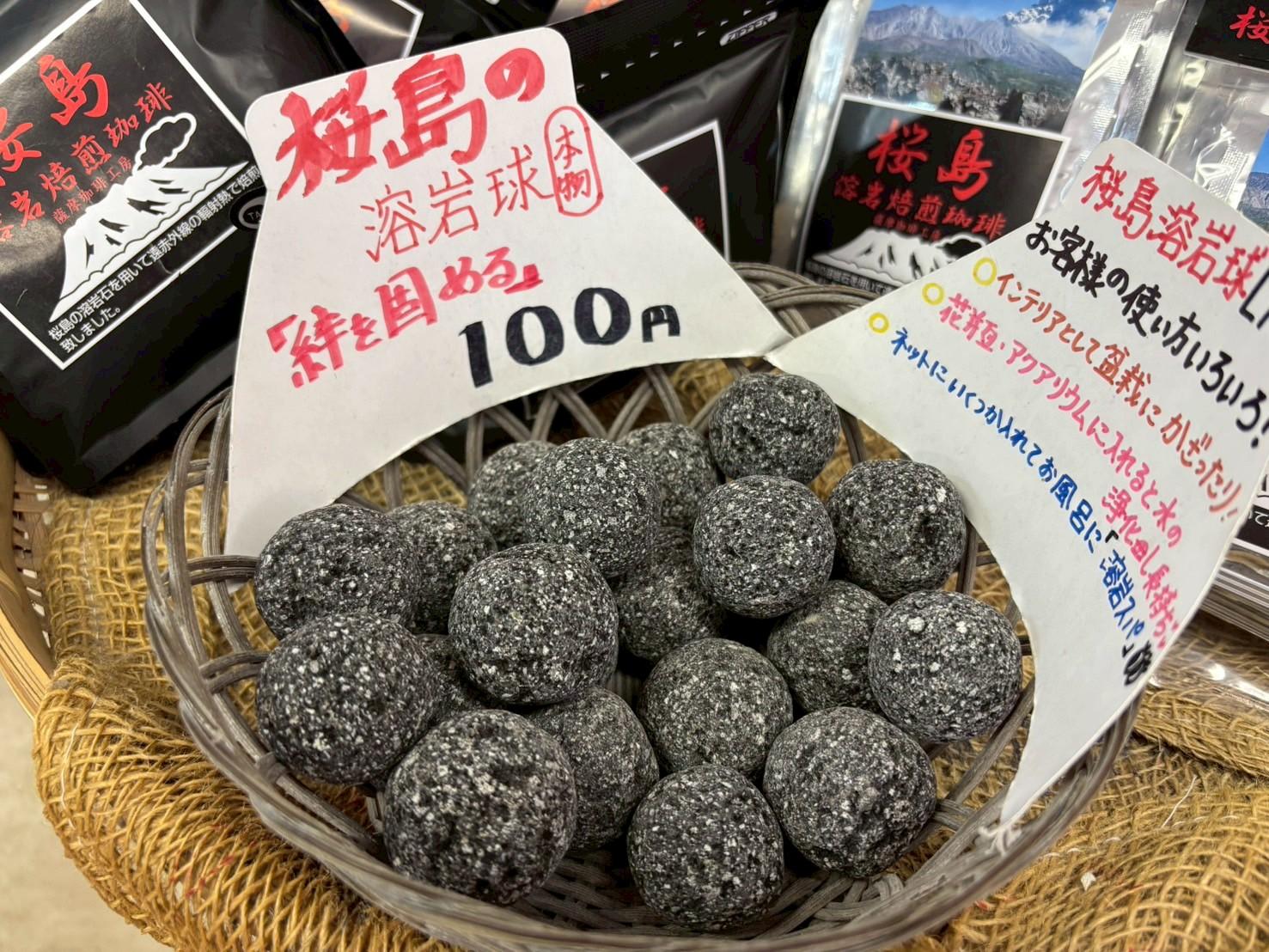
The observation deck is a must-see spot for its breathtaking vistas from all directions, making it one of the most popular viewpoints on Sakurajima. Keep an eye out for seven hidden heart-shaped marks here—finding them may bring you good fortune! The observatory is free to visit and its shops sell unique snacks and souvenirs, such as quirky balls of ash from the volcano, from 9am to 5pm.
Return to Sakurajima Port
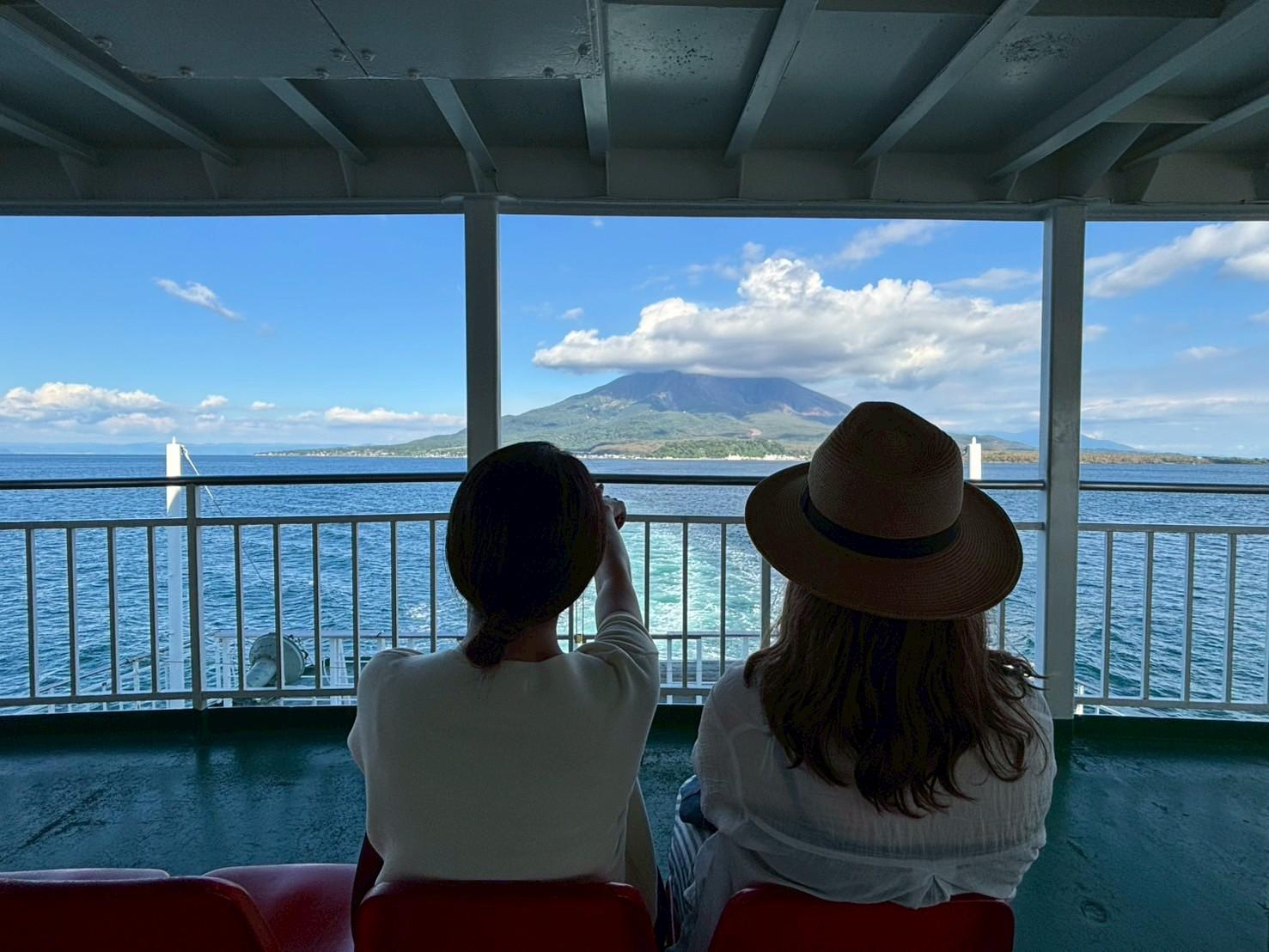
Now it’s time for the return journey. First, take the Island View Bus bound for Sakurajima Port and board the next ferry to Kagoshima. The short voyage offers a final chance to admire the volcano from the water, a fitting end to the day’s adventure.
Bound for Kagoshima Chuo Station
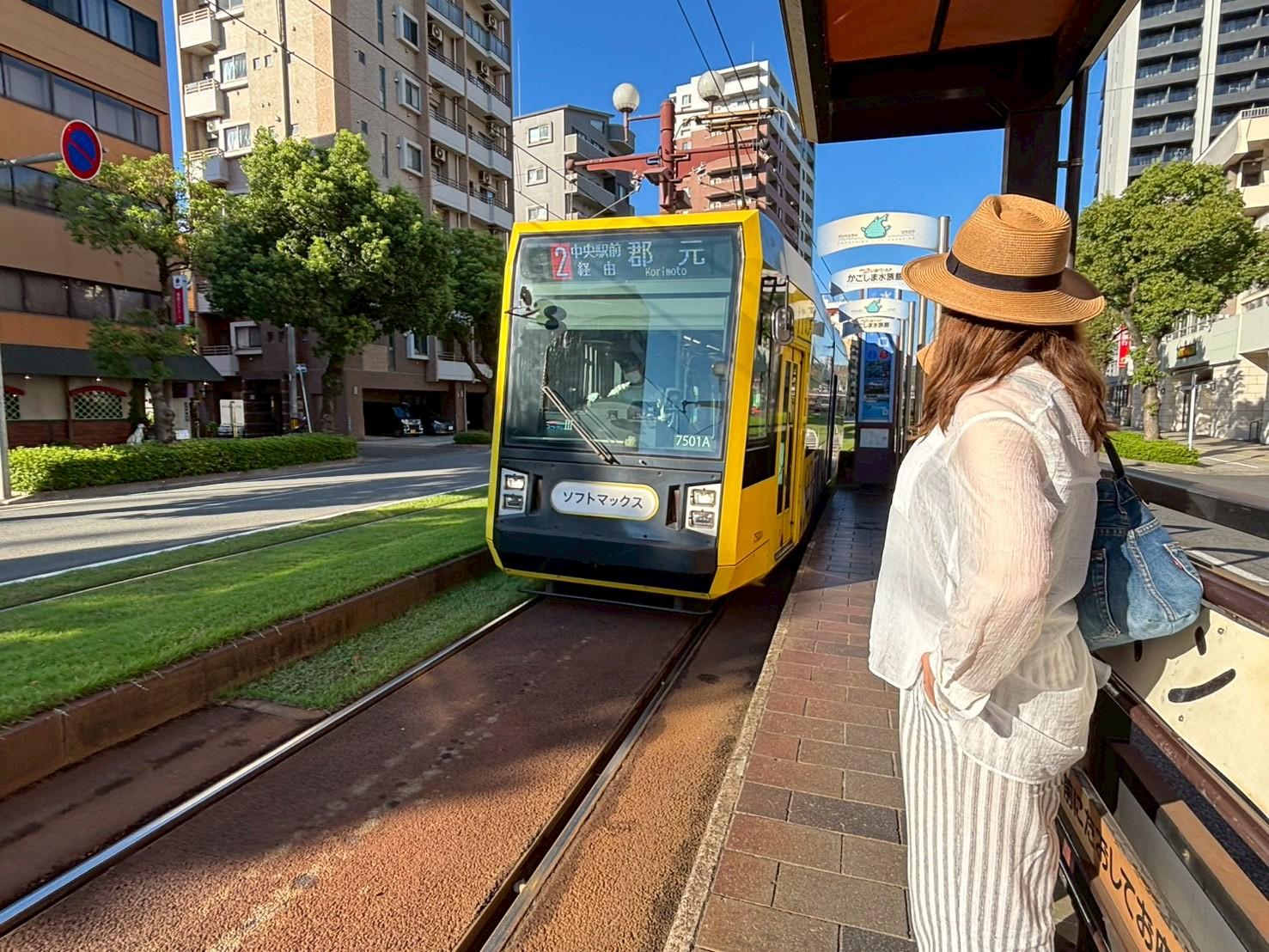
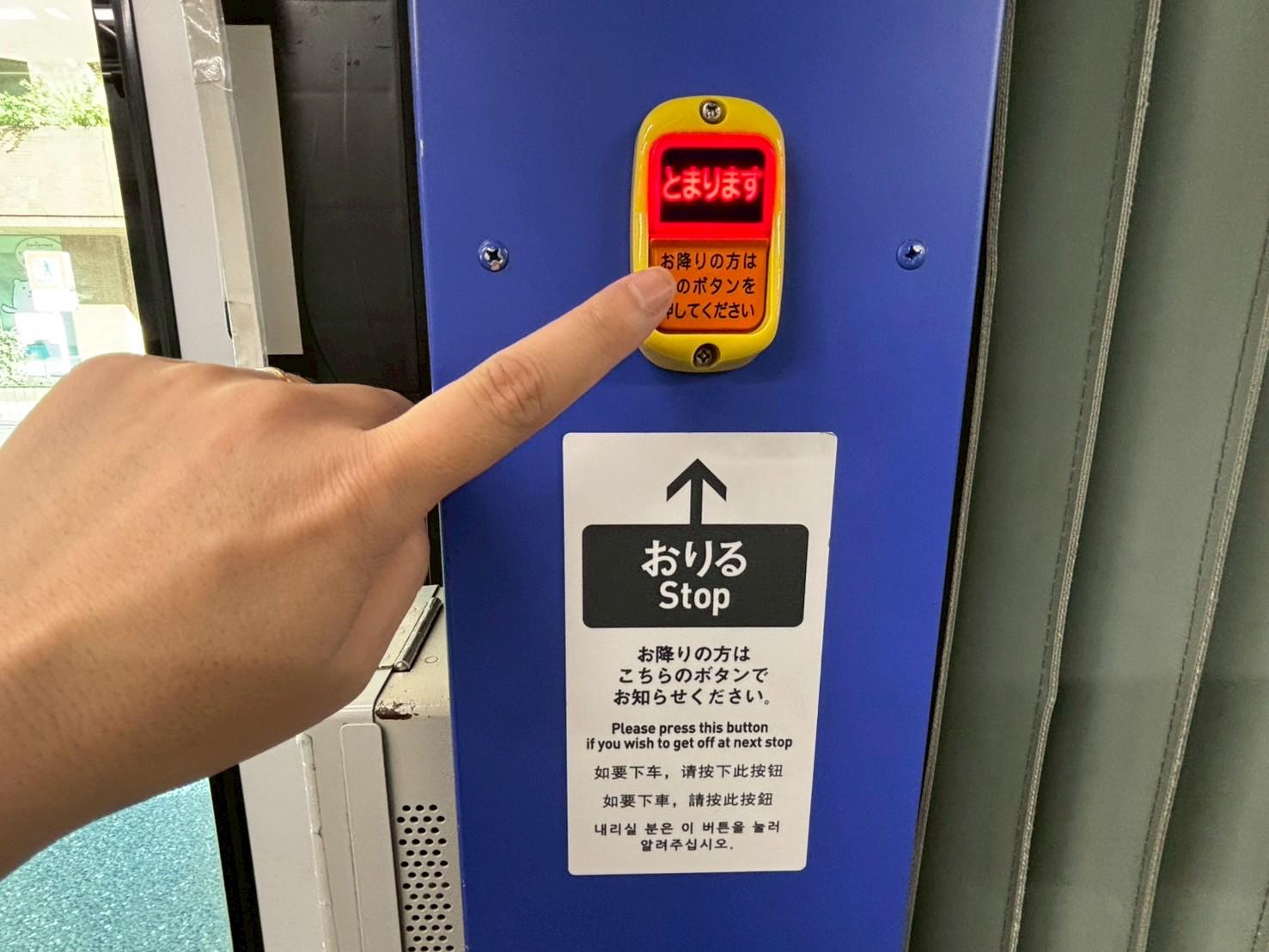
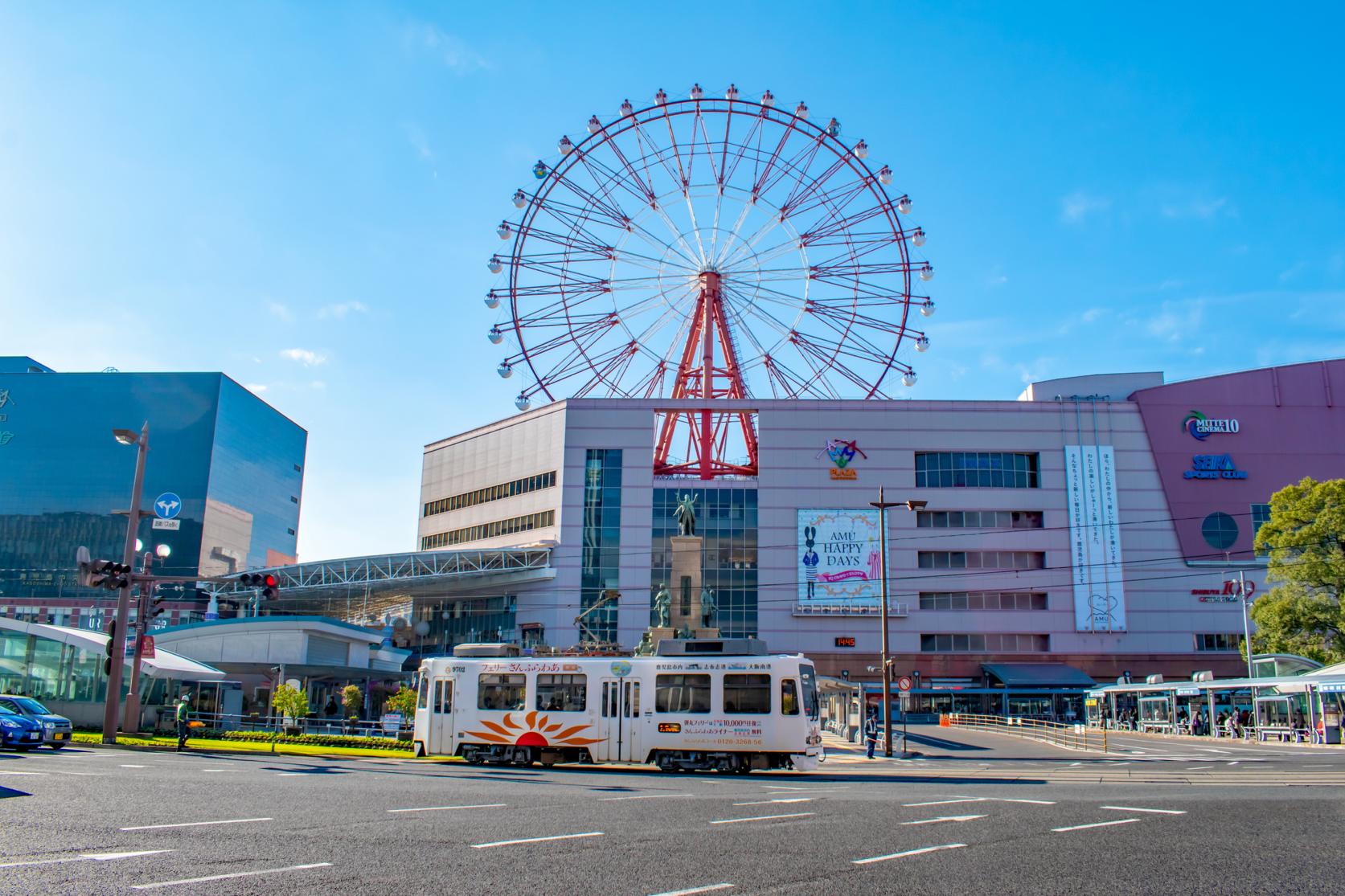
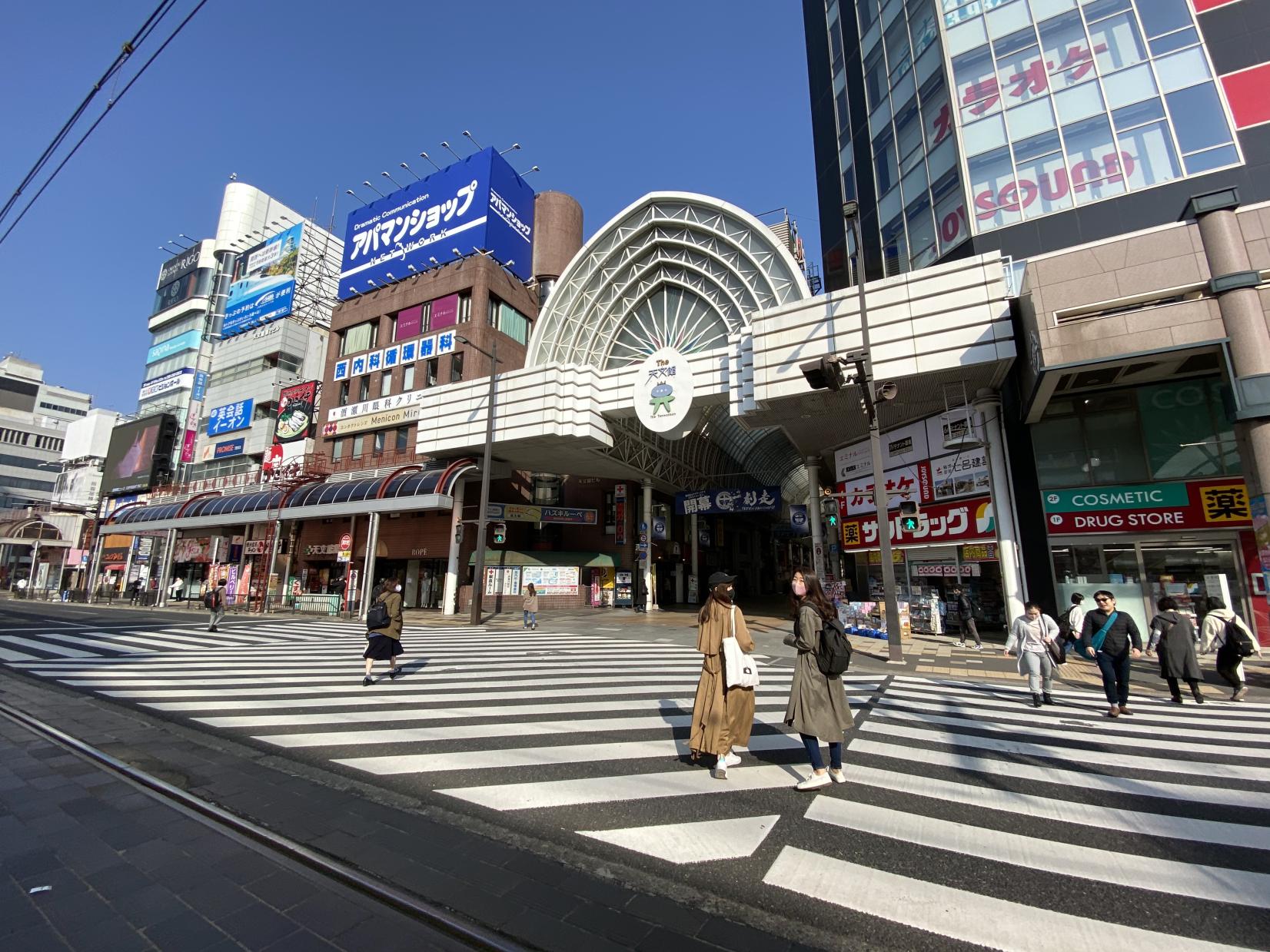
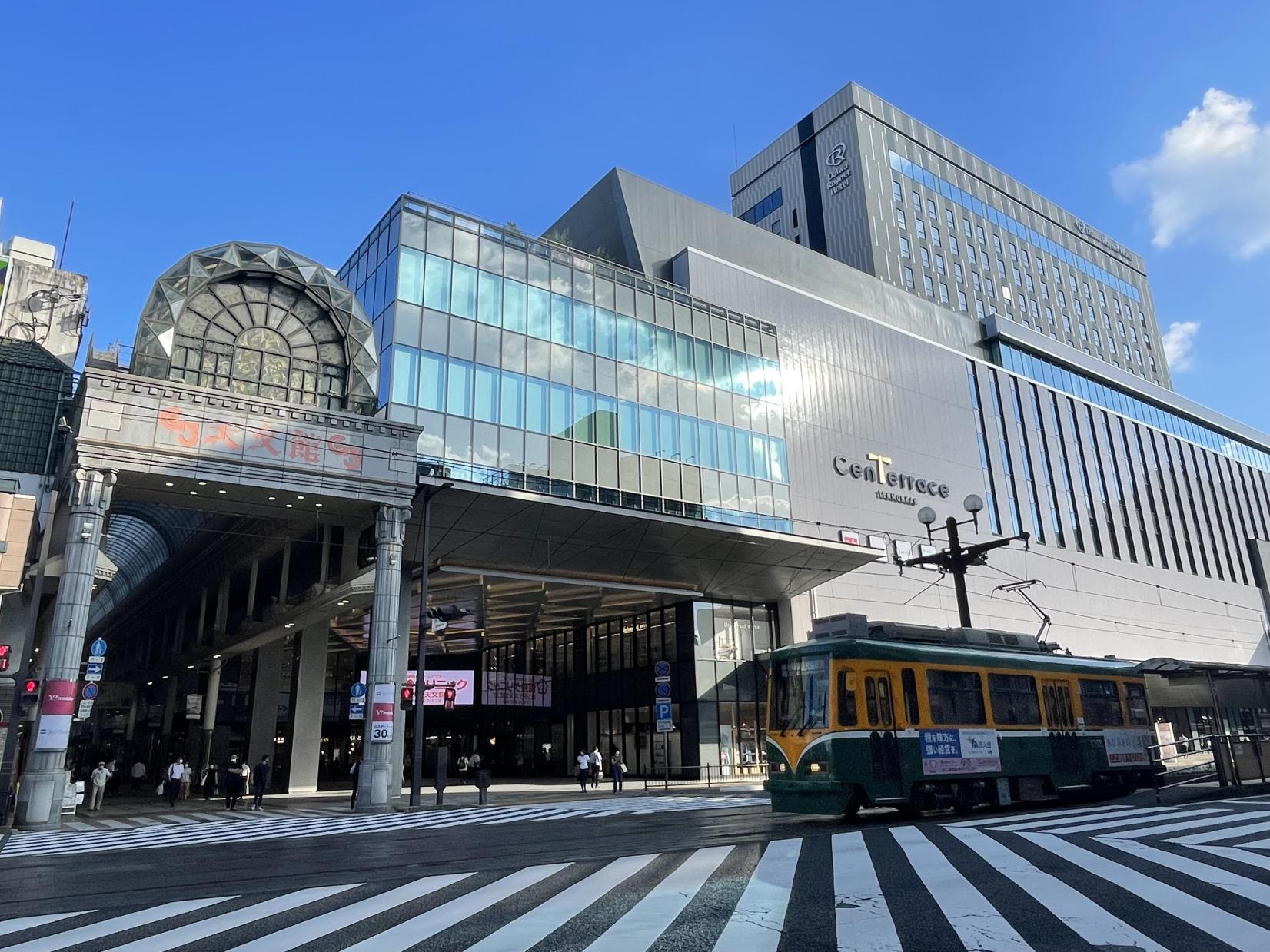
Upon reaching Kagoshima Port, visitors can take a short stroll to the tram line and board a tram bound for Kagoshima Chuo Station. When boarding, please use the rear door and show your CUTE Pass when exiting. As the tram weaves through the city, visitors can enjoy a glimpse of daily local life. Tenmonkan, the downtown area that the tram passes on the way, is a great place to get off for some shopping.
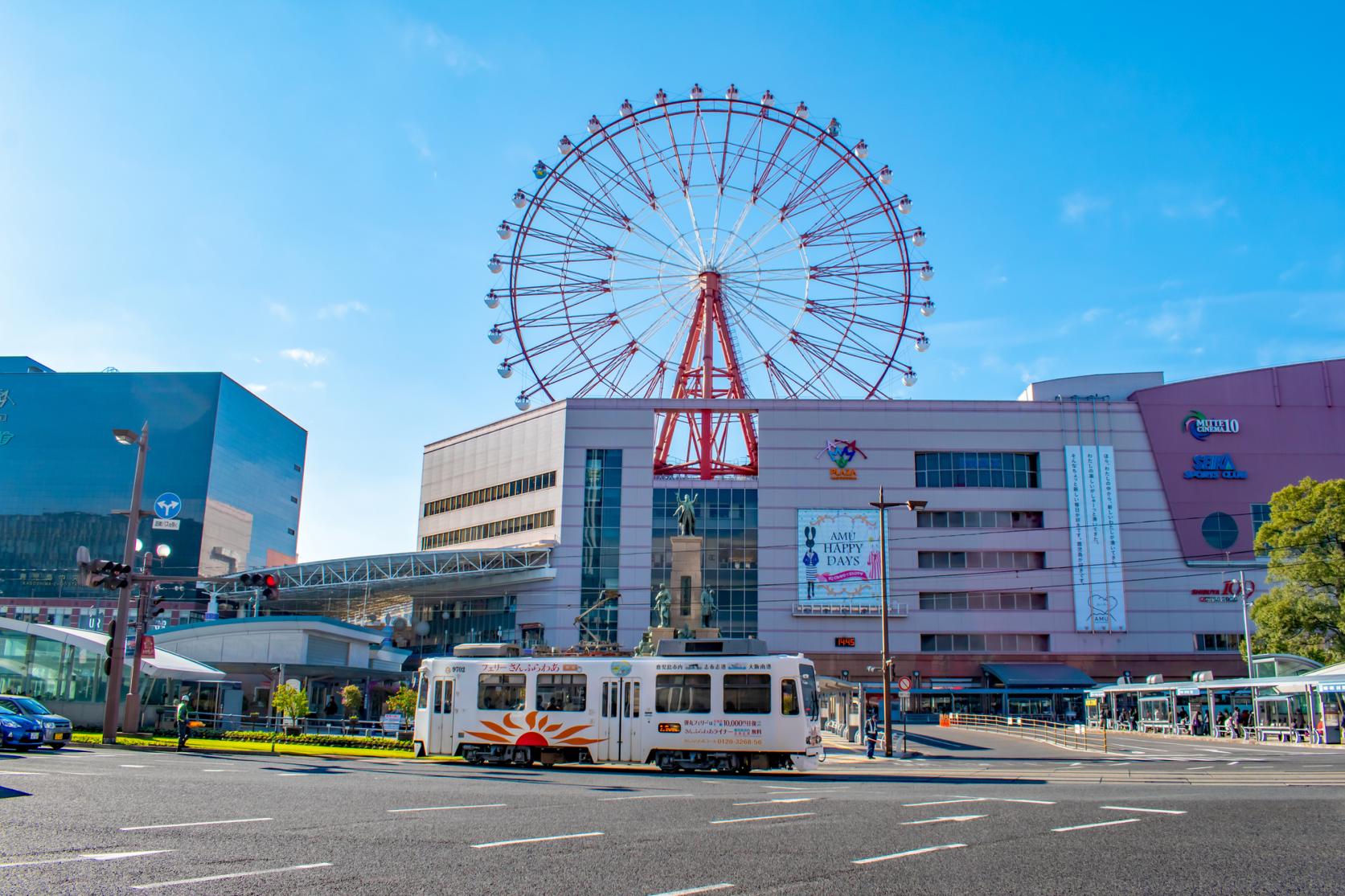
Kagoshima Chuo Station marks the end of this model itinerary using the CUTE Pass. This bustling hub is a major center for shopping, dining and sightseeing. Inside Amu Plaza Kagoshima and the station building, visitors will find a variety of restaurants serving Kagoshima’s famous dishes, including kurobuta (black pork) and shirokuma (shaved ice with toppings like fruit, sweet red beans and condensed milk). Gourmet-Yokocho and Miyage-Yokocho, located nearby, offer convenient spots for quick bites and shopping, with an assortment of local snacks and souvenirs.
For those looking to explore further or have onward travel plans, Kagoshima Chuo Station is a key transport hub. Not only is it the terminus of the Kyushu Shinkansen, it is also home to a network of buses and trains that can connect visitors to popular tourist attractions around the city, the prefecture and beyond.
Tips for optimizing the CUTE Pass experience
This model one-day course using the CUTE Pass captures the core elements that make Kagoshima a unique destination: dramatic volcanic scenery, historic sites, seaside landscapes, hot springs, local flavors and welcoming spaces. By utilizing the CUTE Pass, visitors can streamline their travel time and maximize their ability to enjoy the city and Sakurajima in one day.
In addition, here are some tips to make the most of every precious moment. Begin the journey early to avoid the need to rush and to allow easy adjustment of the pace according to the time available and the degree of interest in each spot along the way. Comfortable shoes, sun protection and a water bottle will help make the day more enjoyable, especially when exploring Sakurajima’s outdoor viewpoints. Checking the Island View Bus timetable allows the efficient coordination of stops; why not take a photo of the timetable posted on the bus stops for easy reference?
For visitors who choose the two-day CUTE Pass, here are some ideas for how to spend the second day.
Start by visiting the Museum of the Meiji Restoration, which introduces Kagoshima’s pivotal role in the modernization of Japan during the 19th century. Next, head to the Kagoshima City Museum of Art, home to a fine collection of both Japanese and Western masterpieces, or the Kagoshima Prefectural Museum of Culture (Reimeikan) to dive into the region’s cultural heritage. History buffs will enjoy the Former Kagoshima Foreign Engineers’ Residence Ijinkan, a well-preserved 19th-century building offering insight into international influence on Kagoshima during the Meiji era (1868–1912).
For a relaxing experience, check out the Kagoshima City Aquarium (Io World), which features about 10,000 creatures from 800 species, as well as daily events like seal feeding. To wrap up the day, ride the Ferris wheel at Amu Plaza to enjoy panoramic views of the city, bay and Sakurajima. It’s especially impressive at sunset or under the evening lights.
With the CUTE Pass, exploring Kagoshima’s vibrant mix of natural beauty, history and local culture has never been easier. Visitors can enjoy unlimited access to most transport modes and discounted entry to many attractions, creating the perfect stress-free way to discover the city, over either one or two days.
Share


Most popular
-
Enjoy a great fishing experience in Kagoshima's Kinko Bay!
-
Kagoshima's Best Strawberry Picking Spots! Featuring All-You-Can-Eat and Strawberry Sweets
-
The Complete Guide to "Drifting Inn Kasan," a luxury hotel in Kirishima Enjoy Hot Springs, Gourmet Dining and Sightseeing as if you Were Living There.
-
Re-Wild Kagoshima: The ultimate healing experience of interacting with the “Happy Horses”
-
Now is the time for a bike trip! Cycle beautiful Kagoshima
 Next article for you
-
Enjoy a great fishing experience in Kagoshima's Kinko Bay!
-
Kagoshima's Best Strawberry Picking Spots! Featuring All-You-Can-Eat and Strawberry Sweets
-
The Complete Guide to "Drifting Inn Kasan," a luxury hotel in Kirishima Enjoy Hot Springs, Gourmet Dining and Sightseeing as if you Were Living There.
-
Re-Wild Kagoshima: The ultimate healing experience of interacting with the “Happy Horses”
-
Now is the time for a bike trip! Cycle beautiful Kagoshima
-
Kikaijima Course, an island where mysterious giant banyan trees and butterflies dance
-
Yoron Island course that heals you on the white sandy beach
-
Enjoy Dynamic Nature and Rich Food! Osumi Route
-
Enjoy the scenery along the river that flows abundantly from the Kirishima Mountains! Sendai River Basin Route
-
Inner Kinko Bay Route: Vocano and Caldera
-
Let's go island-hopping in Kagoshima!
-
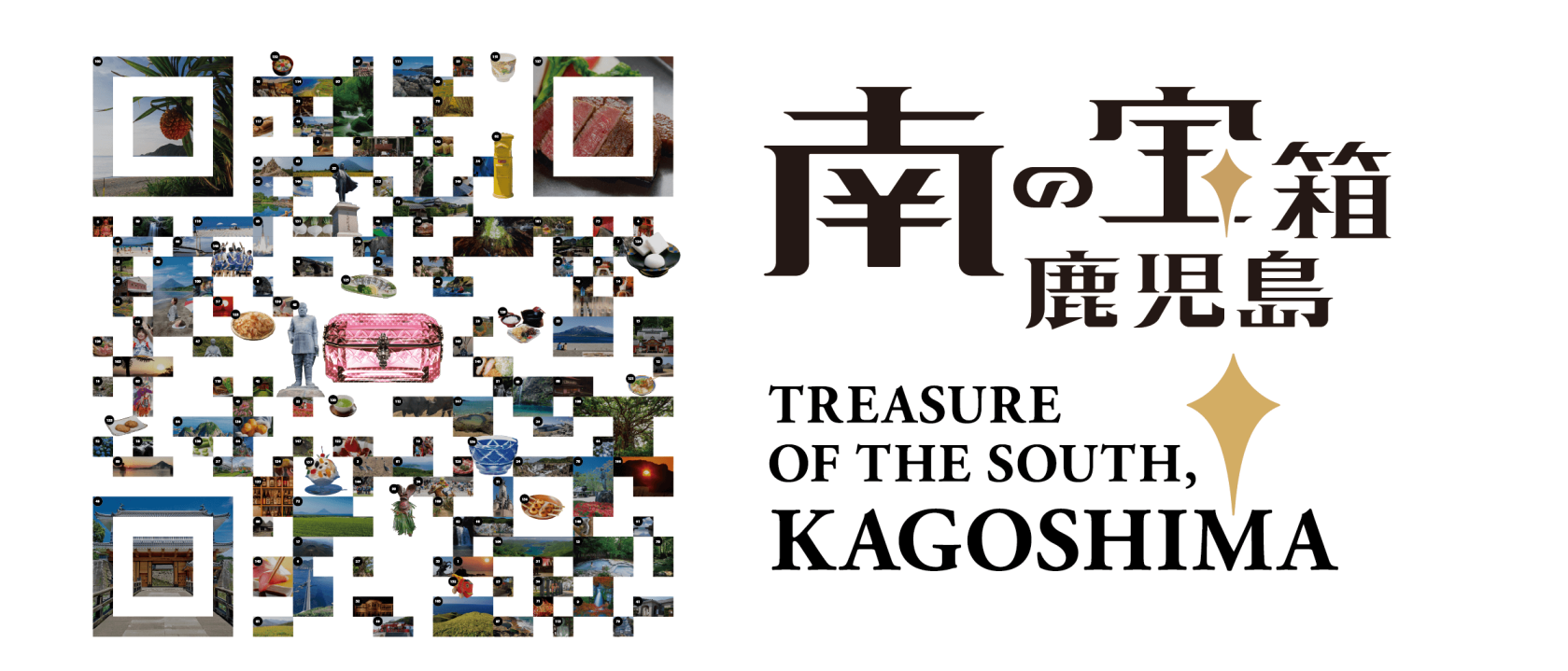
Our latest poster promotes Kagoshima’s tagline “Treasure of the South, Kagoshima” and uses photos of famous attractions across our prefecture, arranged in the style of two-dimensional matrix barcode.
-
Marine Port Kagoshima
-
Savouring Kagoshima’s Wagyu
-
Discover Kagoshima with the CUTE Pass
-

Voyaging from Osaka to Kagoshima on the Sunflower Ferry
-
Helpful information
-

Summer Stay Discount Campaign -Treasure of the South, Kagoshima-
-
Self-Drive in Kyushu: A Scenic Road Trip From Fukuoka to Yakushima’s Ancient Forests
-
Visit Sakurajima: A Volcano in the Middle of Kagoshima City